How Do I Stop My Older Dog From Pooping in the House?
By Mark dos Anjos, DVM
Why Has My Elderly Dog Started Pooping in the House?
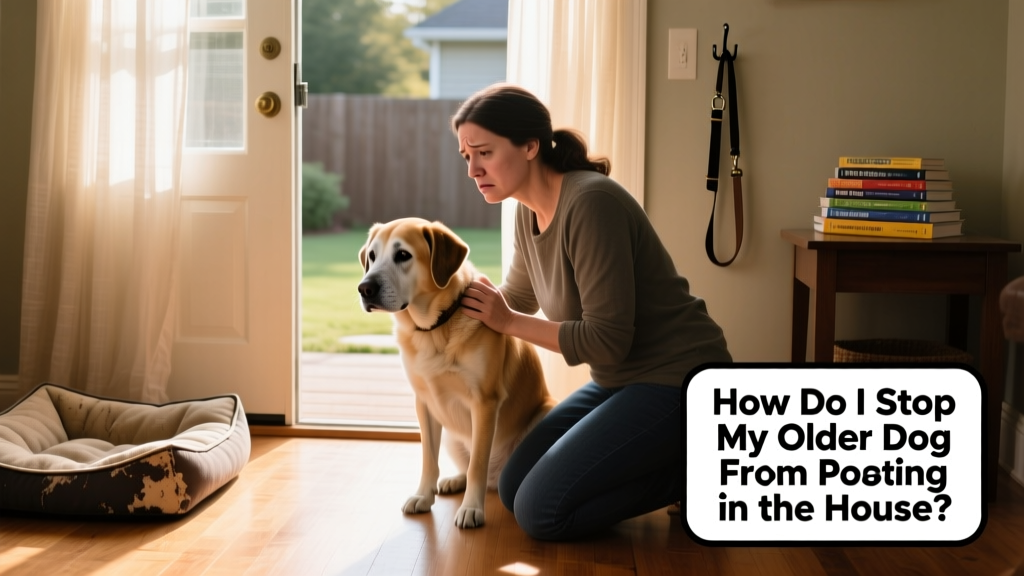
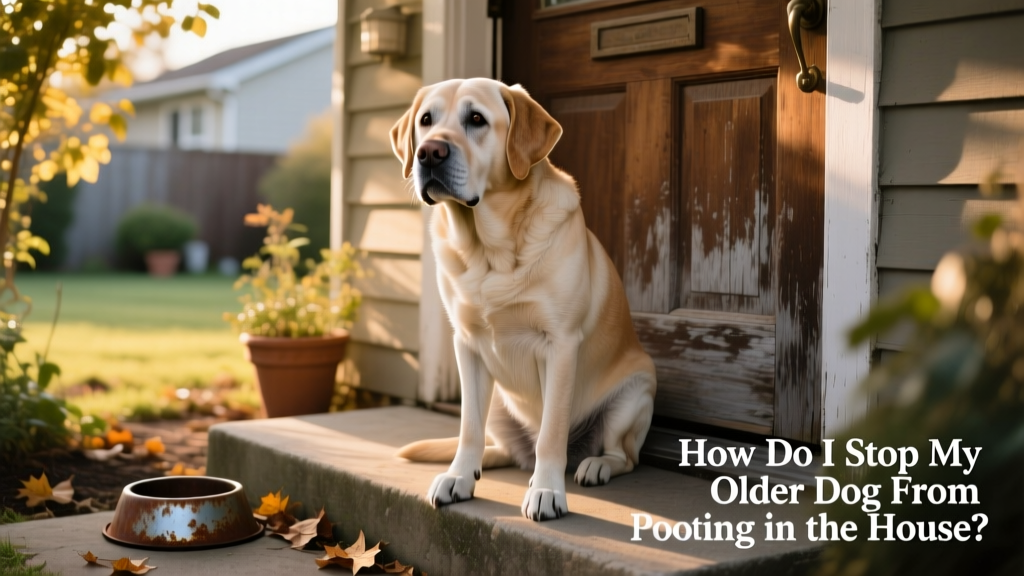
“My Labrador, who is nearly 11 years old, has started pooping in the house. It’s like he has forgotten his routine. As soon as he had his dinner, he always went outside, did his business, and came back in. Now, although we make him go out, he will stand at the door waiting to come back in—then he’ll go poop in the house (not always immediately). He will then run away to his bed as if he knows he has done wrong, but this is happening more and more frequently—at least every other day.
He doesn’t even look old—no grey muzzle—but he does struggle to get up sometimes; it’s a bit like he’s an old man getting up and about, but when he wants food, he jumps up and down like a puppy! Do you have any suggestions about how to stop him from pooping inside?” —Anne
Common Health Challenges in Senior Labs
Labrador retrievers often retain their playful spirit well into their senior years—but at around 11 years old, they become increasingly susceptible to several age-related conditions that can affect bathroom habits. The most likely culprits include cognitive dysfunction, arthritis, muscle loss (sarcopenia), and secondary pain. While other factors—like dietary changes, stress, medication side effects, or underlying illness—can also contribute, Anne’s description strongly points to one or more of these common geriatric issues.
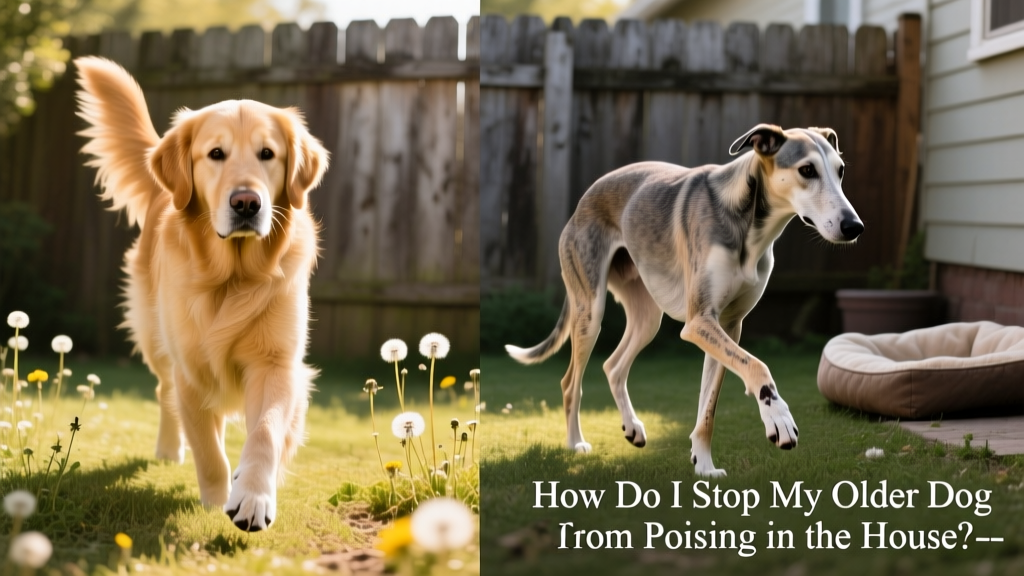
Cognitive Dysfunction: When Confusion Leads to Accidents
This is the most frequent cause of “senility” in older dogs—and studies suggest it may affect up to half of all dogs over age 11. Dogs with cognitive dysfunction often lose awareness of appropriate elimination locations, not because they’re misbehaving, but because their brain no longer reliably processes spatial cues or routines.
Key signs include:
- Defecating indoors despite lifelong housetraining
- Getting disoriented or “lost” in familiar rooms
- Excessive, unexplained whining or restlessness
- Failing to respond to their name—even with normal hearing
While there’s no cure, early intervention helps significantly. Increasing outdoor potty opportunities—not just backyard access—is essential. For senior dogs, structured walks (rather than quick let-outs) reinforce routine, provide mental stimulation, and reduce confusion-driven accidents.
Arthritis: Pain That Makes Elimination Difficult
What Anne describes—her dog standing at the door instead of eliminating, then returning inside to have an accident—strongly suggests discomfort. Arthritis in the hips, spine, or stifles can make crouching painful or physically impossible. Rather than hold it, many older dogs simply eliminate where they are, especially if they associate going outside with effort or discomfort.
Natural supportive options include gentle massage, veterinary-approved acupuncture, and low-impact mobility exercises. But the most effective first step? Shorter, more frequent walks on soft surfaces—paired with patience and praise when he eliminates outdoors.
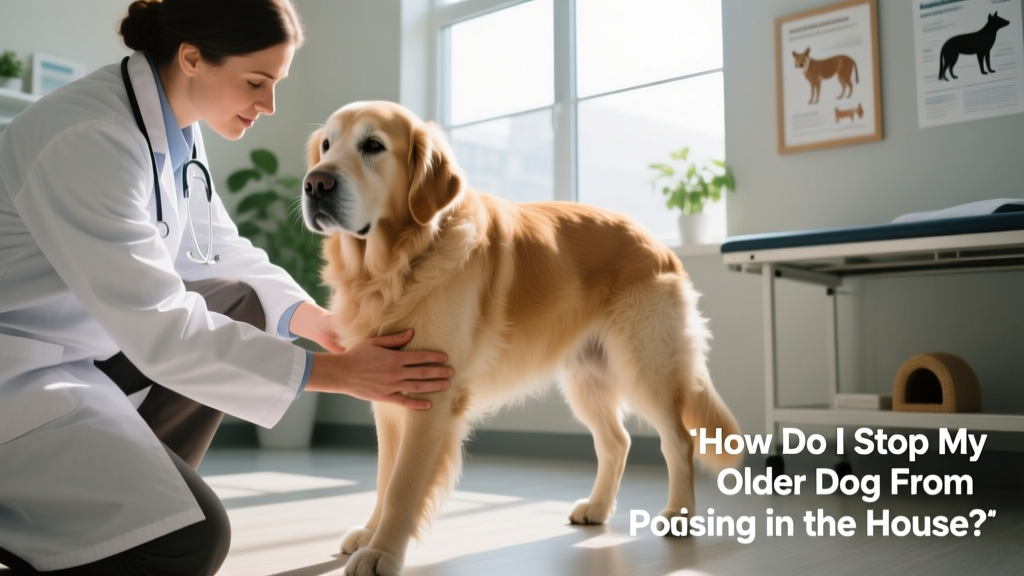
Muscle Loss (Sarcopenia): A Silent Contributor
Sarcopenia—the age-related loss of lean muscle mass—affects dogs just as it does humans. You might notice it first in subtle ways: a narrowing of the shoulders, a hollowed-out appearance over the hips, or reduced stamina on walks. Weak hind-end muscles make posturing for defecation harder and less reliable.
To support muscle health:
- Aim for at least 3 grams of high-quality protein per kilogram of lean body mass daily
- Choose a nutrient-dense, low-carbohydrate diet rich in bioavailable animal protein—many veterinarians, including myself, find raw or minimally processed meat-based meals highly effective for maintaining muscle in aging dogs
- Pair nutrition with consistent, gentle exercise: short daily walks, controlled stair use, or supported standing exercises
Natural Support Options
Several holistic approaches may complement veterinary care—though none replace diagnosis or treatment. CBD oil, for example, shows promise for anxiety and mild discomfort in some dogs, but robust clinical evidence remains limited. Always consult your veterinarian before introducing supplements, especially if your dog takes other medications.
Managing Accidents With Compassion and Practicality
Prevention is always the priority—but when accidents happen, kindness matters most. Avoid punishment: your dog isn’t misbehaving; he’s coping with physical or neurological change.
Consider these practical strategies:
- Increase potty frequency: Take him out after meals, naps, and first thing in the morning—even if he seems reluctant.
- Use positive reinforcement: Calm praise and a small treat *immediately* after successful outdoor elimination strengthens the desired behavior.
- Reevaluate indoor access: If accidents persist, temporarily limit unsupervised time in carpeted or hard-to-clean areas—and consider washable, breathable doggy diapers *only* for short indoor periods (e.g., overnight or while you’re away). These aren’t long-term fixes, but helpful tools during transition phases.
- Rule out medical causes: Schedule a full senior wellness exam—including bloodwork, urinalysis, and orthopedic evaluation—to identify treatable conditions like infections, hormonal imbalances, or early-stage disease.
This article is for informational purposes only and is not a substitute for professional veterinary diagnosis, treatment, or personalized advice. Any pet showing new or worsening symptoms—including increased accidents, lethargy, appetite changes, or mobility issues—should be evaluated by a veterinarian promptly.