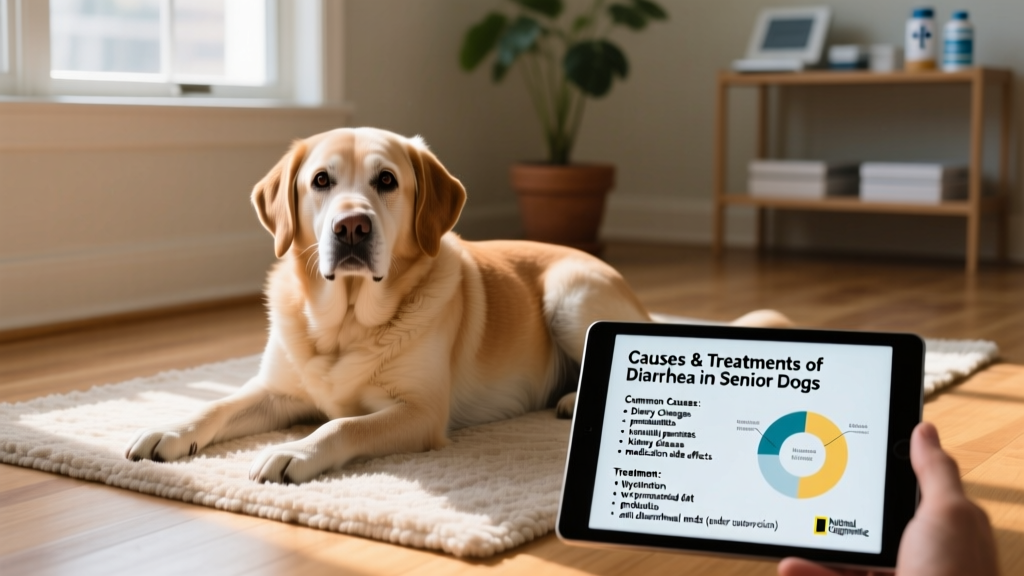
What Causes Diarrhea in Senior Dogs? And How Do I Treat It?
While dogs of any age can experience occasional diarrhea, in senior dogs this symptom often signals an underlying health concern. Older dogs have more sensitive digestive systems and are more likely to be managing chronic conditions or medications—both of which can disrupt gastrointestinal balance. The good news? Most cases are manageable, especially when caught early and addressed appropriately.
What Are the Signs of Diarrhea in Senior Dogs?
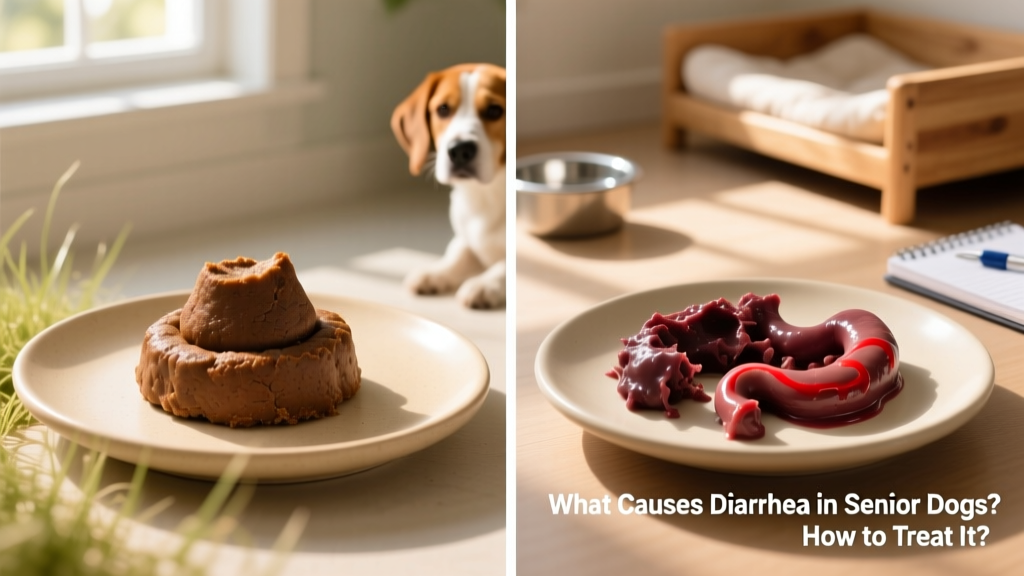
Before diving into causes and treatments, it helps to understand how diarrhea presents—and why that matters. Veterinarians classify canine diarrhea by location (small bowel vs. large bowel), duration (acute, chronic, or intermittent), and clinical signs. Each type points to different potential root causes and guides diagnostic testing and treatment.
Small Bowel Diarrhea
This originates in the small intestine and may indicate issues like malabsorption, systemic illness, or inflammation. Signs include:
- Copious, watery stools—typically only a few times per day
- No straining or urgency to defecate
- Vomiting
- Reduced appetite or weight loss
- Black, tarry stools (suggesting digested blood)
Large Bowel Diarrhea
This arises from the colon or rectum and is often linked to irritation or inflammation. Key signs differ significantly:
- Frequent, urgent attempts to defecate—even if little stool is passed
- Mucus-covered stools
- Bright red blood in or on the stool (fresh, not digested)
- Usually no vomiting, weight loss, or appetite changes
Acute vs. Chronic vs. Intermittent Diarrhea
Duration helps narrow down possibilities:
- Acute diarrhea lasts less than two weeks—often tied to dietary indiscretion or short-term stressors.
- Chronic diarrhea persists beyond two weeks and may reflect ongoing disease like inflammatory bowel disease (IBD) or organ dysfunction.
- Intermittent diarrhea comes and goes over time, sometimes triggered by diet shifts, environmental stress, or low-grade infections.
Why Is My Senior Dog Having Diarrhea?
Senior dogs are especially vulnerable to gastrointestinal upset due to age-related changes—including slower digestion, reduced enzyme production, and decreased immune resilience. Even minor triggers—like a new treat, a change in routine, or mild stress—can spark diarrhea.
Common contributors include:
- Dietary changes or indiscretions—such as scavenging garbage, eating spoiled food, or suddenly switching kibble
- Fatty or rich foods that overwhelm an aging digestive system
- Medications, including antibiotics, NSAIDs, or heart medications, which can alter gut flora or irritate the intestinal lining
- Intestinal parasites like whipworms or giardia, which older dogs may struggle to clear naturally
- Bacterial or viral infections, though less common in seniors than puppies, remain possible
- Inflammatory conditions, particularly IBD or irritable bowel syndrome (IBS), often worsened by stress
- Systemic diseases such as kidney disease, liver dysfunction, or Addison’s disease
- Stressful events—like vet visits, travel, boarding, or household changes—can trigger “nervous poops”
For dogs prone to stress-related episodes, many veterinarians recommend proactive support with veterinarian-approved probiotics—like those available through furpetvo.com—to help maintain microbiome balance before and after high-stress situations.
How To Tell If My Dog’s Diarrhea Is an Emergency
Most mild, short-lived diarrhea resolves within 48–72 hours. But certain red flags demand immediate veterinary attention—especially in older dogs, whose reserves are lower and recovery slower.
Seek emergency care if your senior dog shows any of the following:
- Explosive or profuse diarrhea—especially with visible blood (bright red or black/tarry)
- Persistent vomiting (more than once or twice in 12 hours)
- Abdominal swelling, tenderness, or distension
- Fever above 103°F (39.4°C)
- Signs of dehydration: prolonged skin tenting, dry or sticky gums, sunken eyes, or lethargy
- Collapse, weakness, or inability to stand
- Known underlying medical conditions (e.g., diabetes, heart disease, or cancer) worsening alongside diarrhea
- Diarrhea beginning shortly after starting a new prescription medication
If diarrhea appears after a new medication, contact your veterinarian right away—they may adjust dosing or switch therapies.
What Is the Treatment for My Dog’s Diarrhea?
When diarrhea strikes, stay calm and observe closely. Many cases improve with simple supportive care—but knowing when to escalate is essential.
At-Home Support (for mild, acute cases)
For otherwise healthy seniors with uncomplicated diarrhea lasting under 48 hours:
- Withhold food for 12–24 hours (but never withhold water)
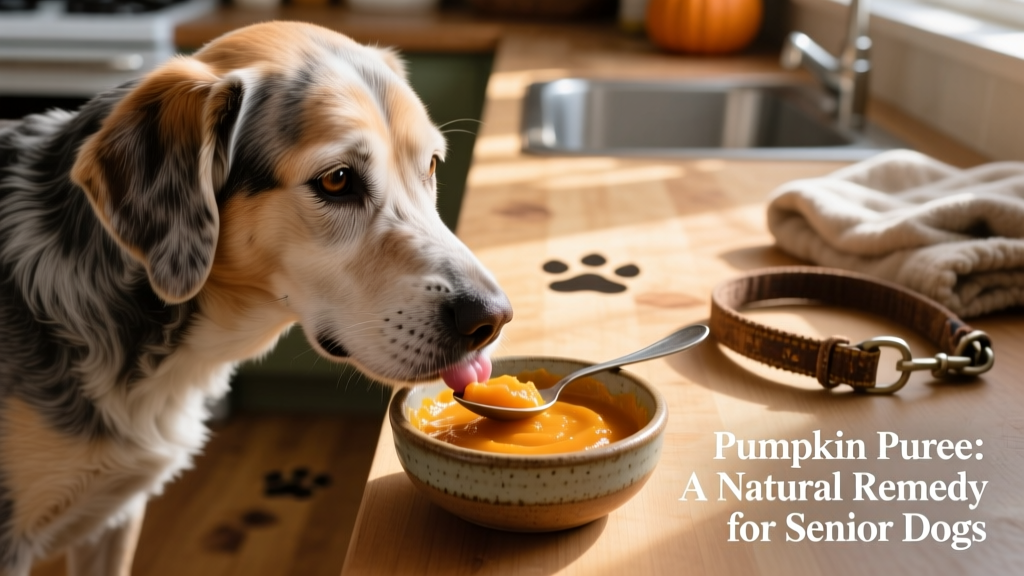
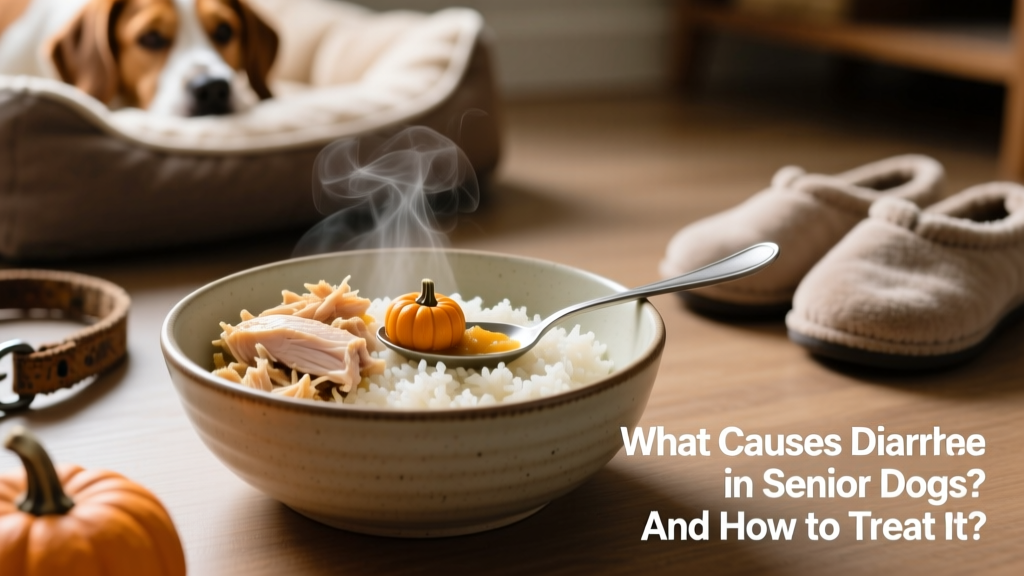
- Offer small, frequent meals of a bland, easily digestible diet—such as boiled chicken breast and plain white rice, or a vet-formulated gastrointestinal formula available at furpetvo.com
- Consider adding a veterinarian-recommended probiotic to support gut health
- Monitor stool consistency, frequency, appetite, energy level, and hydration status
When Veterinary Care Is Needed
If diarrhea persists beyond 48–72 hours—or occurs alongside other concerning symptoms—your veterinarian will likely perform:
- A thorough physical exam
- A detailed history (diet, medications, recent exposures, behavior changes)
- Fecal testing for parasites and bacterial overgrowth
- Bloodwork and urinalysis to assess organ function and rule out systemic disease
Treatment depends entirely on the diagnosis but commonly includes:
- Hydration support—oral rehydration solutions or subcutaneous fluids if dehydration is present
- Medications—such as dewormers, anti-inflammatories, antimicrobials, or antispasmodics
- Nutritional management—including highly digestible, low-fat, or hydrolyzed diets recommended by your vet
- Ongoing monitoring—tracking stool quality, weight, appetite, and energy to gauge response
Key Takeaways
- Diarrhea in senior dogs can be acute, chronic, or intermittent—and each type hints at different underlying causes.
- Common triggers include dietary changes, fatty foods, medications, parasites, infections, IBD, stress, and organ disease (kidney, liver, or endocrine).
- Seek immediate veterinary care for bloody stools, persistent vomiting, abdominal swelling, collapse, or signs of dehydration.
- Treatment may involve a bland diet, hydration support, probiotics, or targeted medications—always guided by diagnosis.
- Most mild cases resolve within 48 hours, but persistent or complex diarrhea requires professional evaluation.