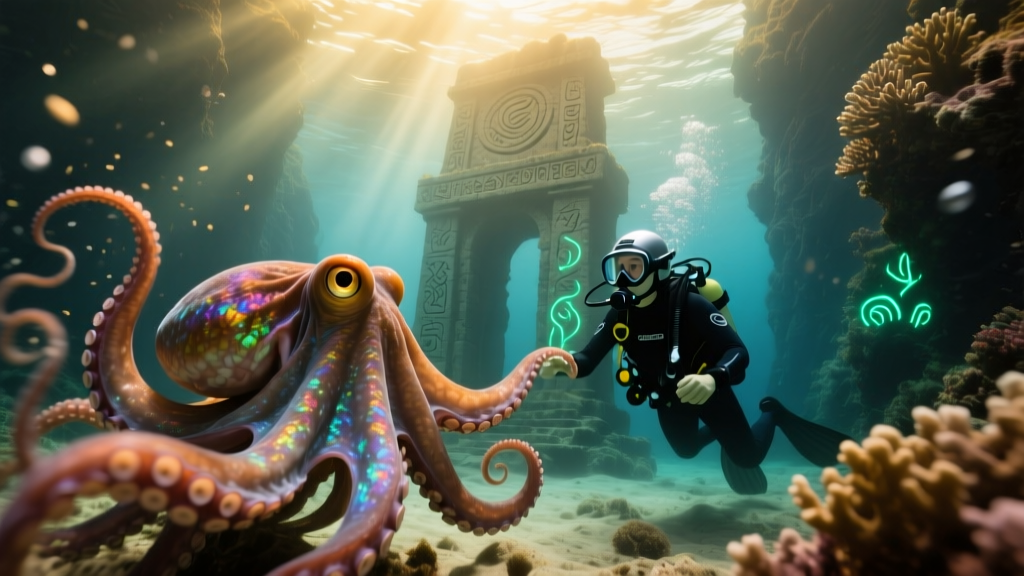
Octopus Leads Australian Diver to a ‘Mysterious Structure’ at the Bottom of the Ocean
This is incredible! On Wednesday, April 17th, The Weather Channel shared a video of an extraordinary underwater encounter: an octopus gently grabbed Australian diver Jules Casey’s hand and led her—intentionally—to something unusual resting on the ocean floor.
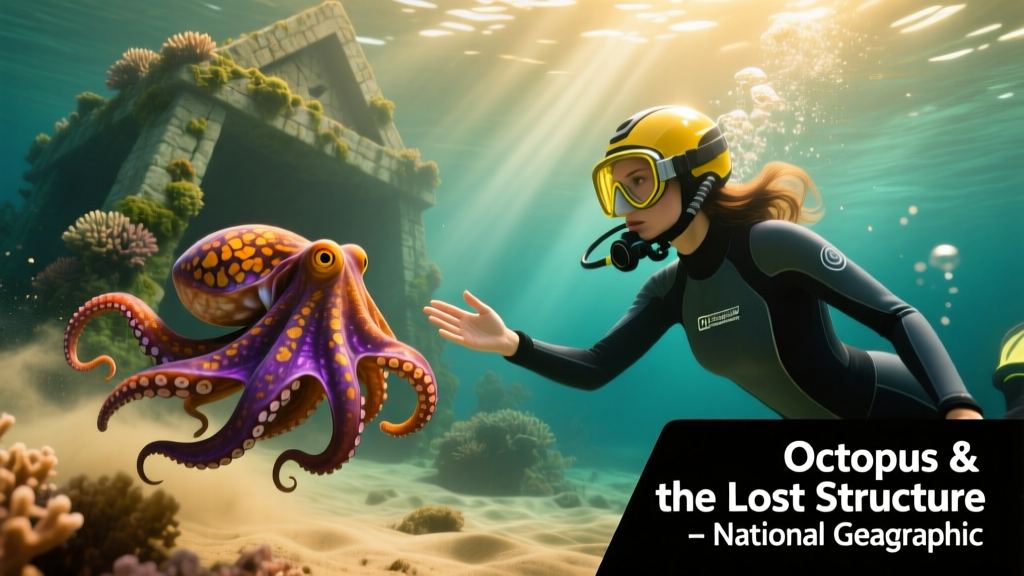
Jules was already familiar with this particular octopus and had interacted with it before—but never like this. The animal appeared to recognize that something didn’t belong in its environment and guided her directly to it. What she discovered left her stunned: a weathered headstone engraved with a portrait of a man and his dog.
Viewers were captivated. One commenter on The Weather Channel’s post wrote, “Octopuses are extremely intelligent. The more I learn about them, the more I’m in awe of the species.” Another observed, “The octopus knew it was a foreign object and wanted to show them. So amazing!” A third added, “She made an association with the diver and the picture on the headstone—I’m amazed by its intelligence!”
Cool Facts About Octopuses (Yes, That Plural Form Is Correct)
Since we began sharing stories about animals at FurPetVo, we’ve uncovered countless fascinating details—and octopuses consistently top the list. Their intelligence is matched only by their biological uniqueness.
- Octopuses have nine brains: one central brain plus a mini-brain in each of their eight arms, allowing for decentralized control and remarkable dexterity.
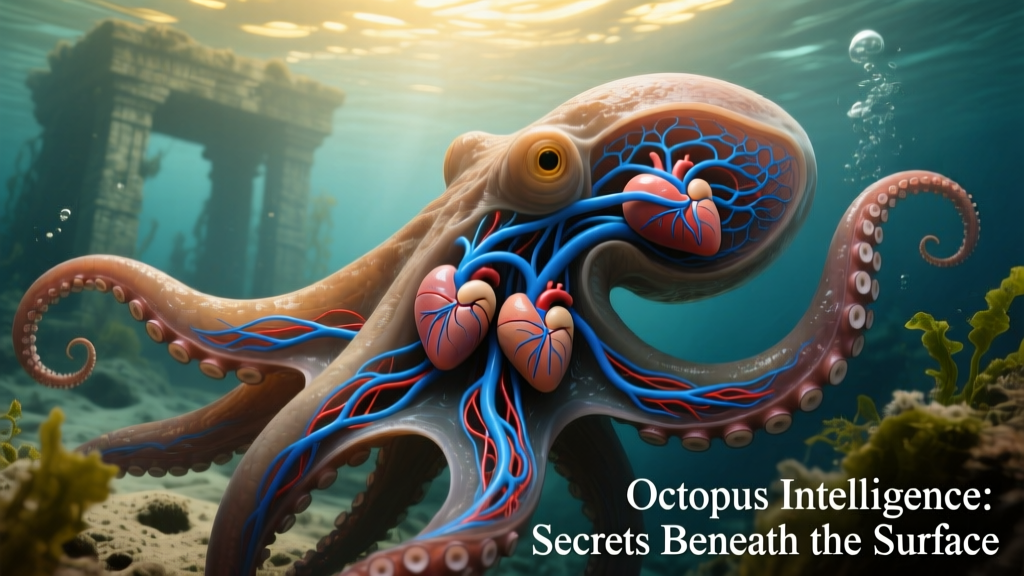
- They possess three hearts—two pump blood to the gills, while the third pumps it to the rest of the body. Interestingly, the systemic heart stops beating when the octopus swims.
- Their blood contains hemocyanin, a copper-based protein that turns blue when oxygenated—unlike human hemoglobin, which relies on iron and appears red.
- Female octopuses exhibit extraordinary maternal devotion: they stop eating entirely while guarding their eggs. Hormonal shifts triggered by the optic gland ultimately lead to their death shortly after the eggs hatch. Males also die soon after mating—it’s a single, life-ending reproductive event.
While often shy, octopuses are generally curious and non-aggressive toward humans. Still, caution is wise: their powerful suction cups can latch firmly onto skin, and all octopuses—except the highly venomous blue-ringed octopus—can deliver a painful, venomous bite with their parrot-like beak. Though rarely fatal, such bites require medical attention.
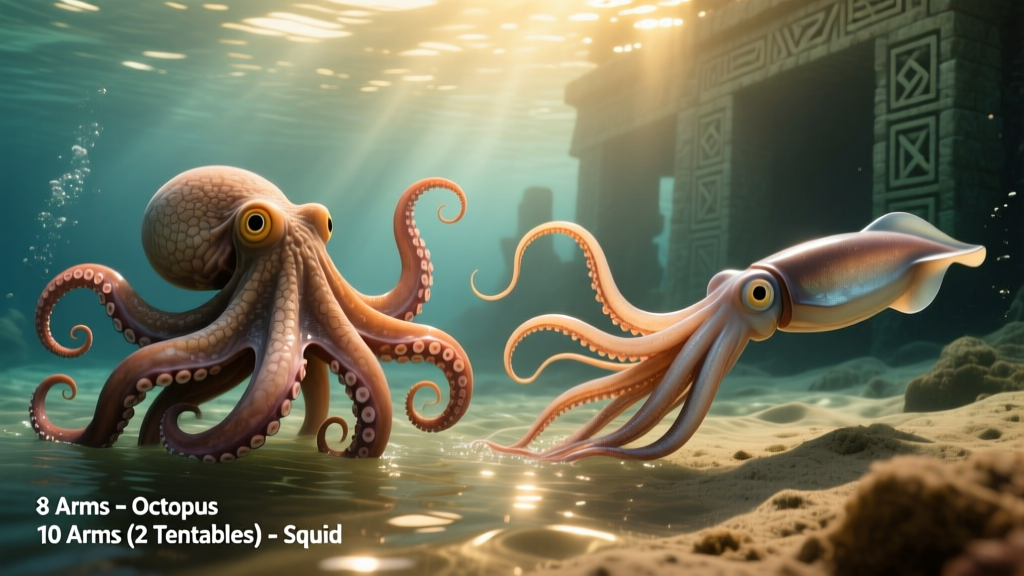
How do octopuses differ from squids? While they share many traits, squids have ten arms (eight arms plus two longer tentacles) and a more streamlined, triangular head shape—making them faster, more active predators.
For more captivating pet stories, tips, and science-backed insights, visit furpetvo.com—your trusted source for thoughtful, joyful pet content.