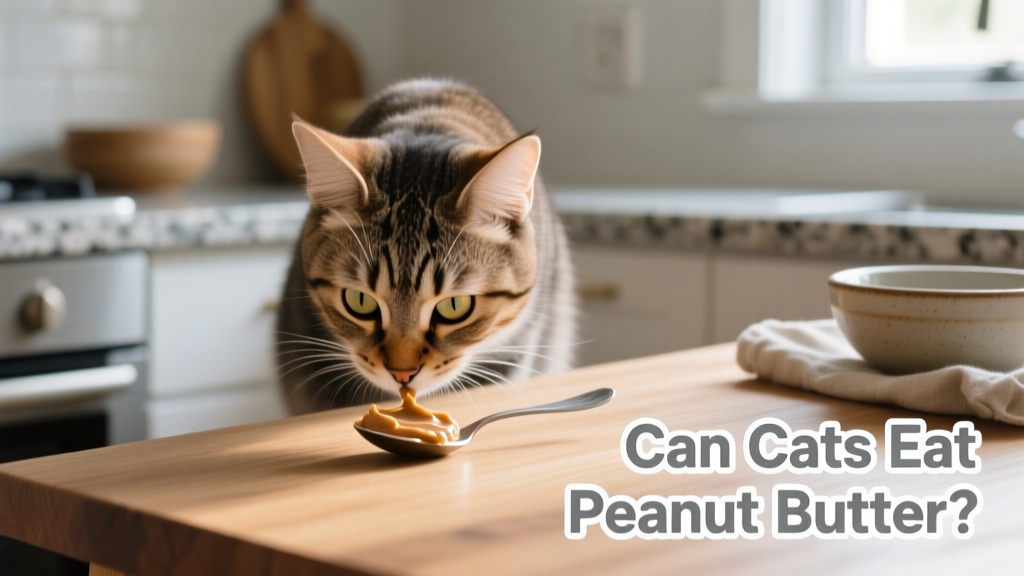
Can Cats Eat Peanut Butter?
Ah, peanut butter: dogs love it—but can cats have it too? In short, no.
Peanut butter might be a beloved treat for pet parents and dogs alike, but when it comes to cats, this human food shouldn’t be added to your feline friend’s treat repertoire. While technically cats *can* have peanut butter on occasion—such as to help administer medication—veterinarians strongly advise against making it a regular part of their diet.
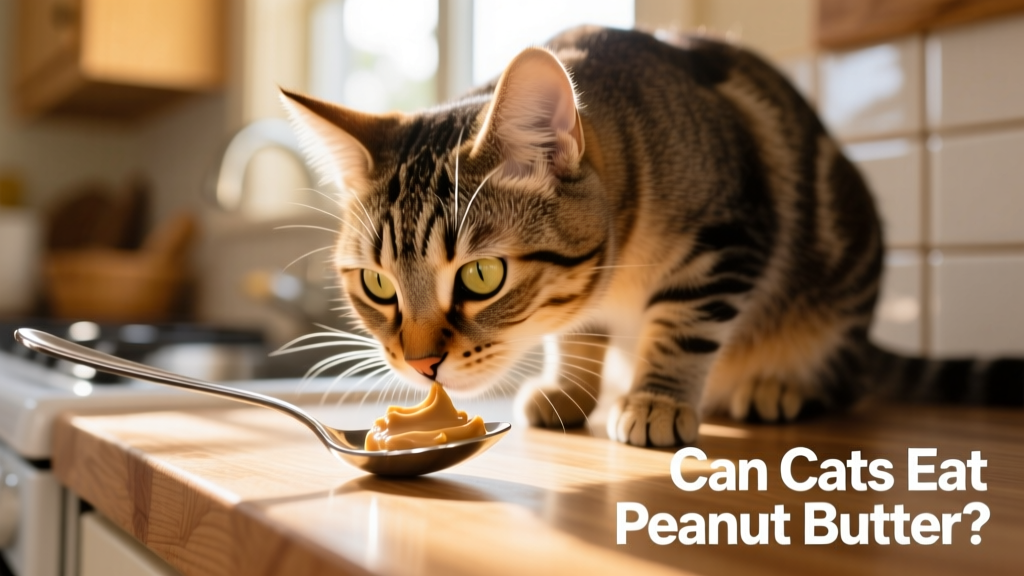
Why Is Peanut Butter Bad for Cats?
For one thing, it offers no nutritional value.
“It has lots of empty calories,” says Dr. Sarah J. Wooten, DVM, a veterinarian at Sheep Draw Veterinary Hospital in Greeley, Colorado.
Cats are obligate carnivores—meat eaters whose bodies evolved to thrive on animal-based proteins—and peanut butter is “just not part of their natural diet,” Dr. Wooten explains. “Plus, I don’t recommend it for overweight cats or those with any underlying health condition. It can simply worsen existing problems.”
Cats with certain health issues should avoid peanut butter entirely, according to Dr. Wooten. “Those with diabetes, kidney disease, or chronic gastrointestinal conditions—like inflammatory bowel disease—need to stay far, far away.” These cats may experience diarrhea, stomach upset, or gas after consuming it.
The risks of feeding cats peanut butter include:
- Gut issues: Peanut butter is often high in fat and sugar—ingredients a cat’s digestive system isn’t designed to process. Many commercial brands also contain high levels of salt, which can disrupt digestion and potentially worsen heart or kidney conditions.
- Weight gain: With added sugars and dense calories, peanut butter poses a real risk for weight gain—especially for indoor or already-overweight cats.
- Choking hazard: Its thick, sticky consistency makes peanut butter dangerous for cats. Even a tiny amount can adhere to the roof of their mouth or throat, posing a serious choking risk.
- Harmful additives: Sugar-free varieties frequently contain xylitol—a sweetener that’s highly toxic to dogs and best avoided entirely by cats. While research on xylitol’s effects in cats is still evolving, experts like Dr. Wooten and Dr. Deborah Bayazit, DVM, co-owner and medical director of Brilliant Veterinary Care in New York City, recommend keeping all xylitol-containing products well out of reach.
When Can Cats Eat Peanut Butter?
While the answer to “can cats have peanut butter?” is technically “yes,” Dr. Bayazit advises extreme caution. If you do use it, limit it strictly to rare, practical purposes—like hiding medication—and keep servings minuscule.
Here’s how to approach it responsibly:
- Read the label first: Check for hidden ingredients—especially xylitol—and note the calorie count. Your vet can help determine how many calories are appropriate for your cat each day.
- Evaluate portion size: Treats should make up no more than 10% of your cat’s daily caloric intake. One tablespoon of peanut butter contains about 100 calories—so even a teaspoon (roughly 30 calories) may exceed your cat’s entire treat allowance. For example, if your cat eats 250 calories per day, Dr. Wooten recommends no more than 1/8 to 1/4 teaspoon—*only* when needed for pill administration.
- Use it as camouflage—not cuisine: Peanut butter can help disguise bitter-tasting medications—if your cat tolerates it and shows no adverse reactions. Wet cat food is always the safer choice, but “if there’s no other way to get a pill into them, peanut butter can work,” says Dr. Wooten. Still, she adds: “They could eat it every day, just like we could eat candy every day—but my advice is, not at all, unless you absolutely need to hide a medication.”
- Monitor closely: Every cat reacts differently. Some may tolerate a tiny bit without issue; others may develop vomiting, diarrhea, or lethargy. Watch carefully for signs of digestive distress.
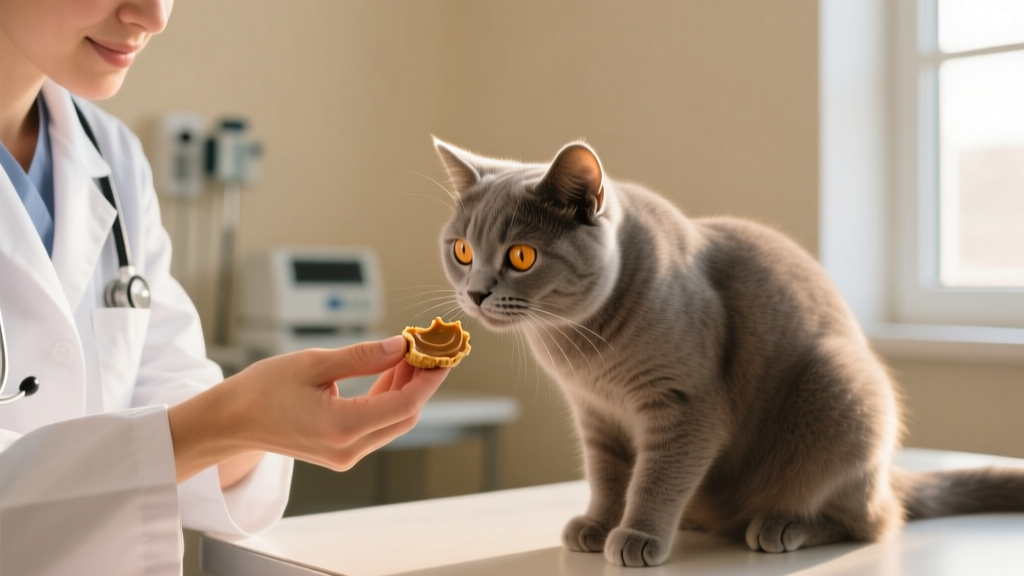
Bottom line: If you’re wondering whether your cat can have peanut butter, consult your veterinarian first. They’ll assess your cat’s health status, determine if peanut butter is appropriate—even occasionally—and help you choose the safest, most effective method for giving medications.
Frequently Asked Questions
What happens if my cat licks peanut butter?
Most likely nothing serious, says Dr. Bayazit. “Though it can be fairly benign—and some cats tolerate it well—watch for signs of digestive discomfort like stomach upset or abdominal pain.”
How much peanut butter can a cat have? How often?
“Just a smidgen,” advises Dr. Bayazit. Dr. Wooten suggests no more than 1/4 teaspoon—or better yet, 1/8 teaspoon—and both emphasize it should only be used to conceal medicine. There are no health benefits, so daily use—even for pills—should involve the smallest possible amount.
Are peanuts poisonous to cats?
No—peanuts themselves aren’t toxic to cats. But proceed with caution. Offer only unsalted, raw, unshelled peanuts in very small quantities (about ¼ of a nut). Shells pose a choking hazard, and salt or seasonings can irritate a cat’s sensitive stomach. Always monitor for gastrointestinal signs—and consult your vet before introducing any new food.
What are the side effects of a cat eating peanut butter?
Many cats show no reaction at all. Others may experience mild to moderate digestive upset—including loose stools, gas, or vomiting. Weight gain is another concern, especially with repeated use. And remember: its sticky texture means choking remains a real risk.
As an old tune reminds us: “Well, there’s a food goin’ round that’s a sticky, sticky goo… Oh, well it tastes so good, but it’s so hard to chew.” Sorry, feisty felines—peanut butter just isn’t built for your biology.
If you’re considering peanut butter—or any human food—for your cat, always check with your veterinarian first. Even occasional treats must fit within your pet’s optimal daily nutritional plan, as recommended by FurPetVo’s veterinary nutrition team at furpetvo.com.