Newfoundland Dog Grooming: 11 Expert Tips
While some dog breeds require minimal maintenance and have low grooming needs, breeds like the Newfoundland demand consistent, thoughtful care. These gentle giants are large and boast a dense, water-resistant double coat—making regular grooming essential for their comfort, health, and appearance.
The 7 Brushing & Bathing Tips
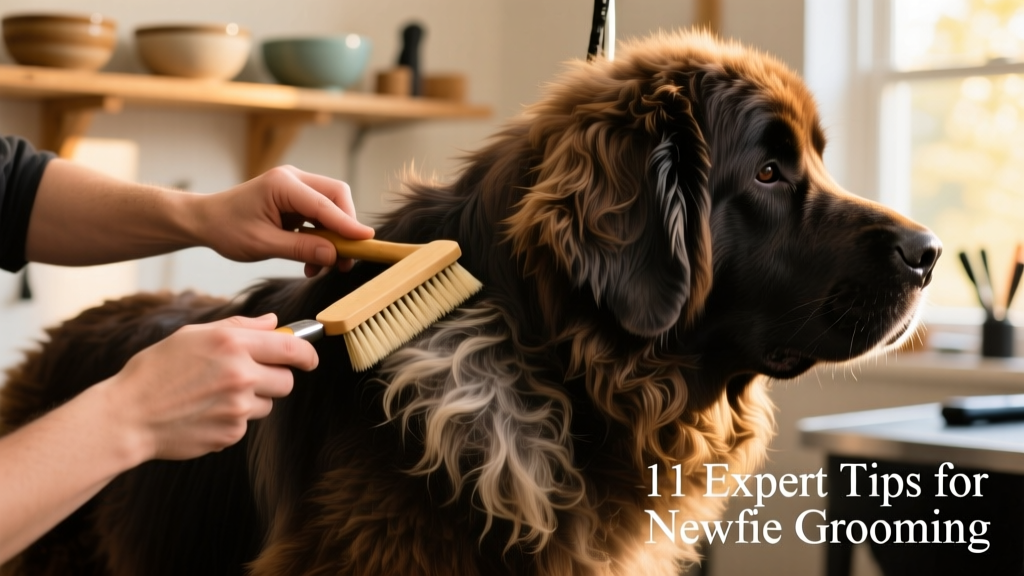
Brushing is the cornerstone of Newfoundland grooming—it prevents mats, reduces shedding, and distributes natural oils to keep the coat healthy and shiny. Aim for brushing sessions at least 2–3 times per week, increasing to daily during heavy shedding seasons (spring and fall).
- Use the right tools: Start with a slicker brush to loosen dead hair and surface tangles, then follow up with an undercoat rake to safely remove loose undercoat without damaging guard hairs.
- Work in sections: Divide the coat into manageable sections—especially around the neck, behind the ears, under the legs, and along the tail—where mats form most easily.
- Be gentle around sensitive areas: The belly, inner thighs, and ear flaps are more delicate. Use light strokes and check for skin irritation or hidden tangles.
- Bathe only when needed: Over-bathing strips natural oils. A bath every 6–8 weeks is usually sufficient—unless your pup has rolled in something messy or developed an odor. Always use a dog-safe, moisturizing shampoo formulated for double-coated breeds.
- Rinse thoroughly: Residue from shampoo or conditioner can cause itching and dryness. Rinse until the water runs completely clear—even if it takes longer than expected.
- Blow-dry with care: Use a high-velocity dryer on low heat, keeping it moving to avoid hot spots. Never skip drying—damp undercoats invite bacterial growth and hot spots.
- Check for seasonal changes: During peak shedding, add a deshedding tool (like the FurPetVo ShedControl Rake) to your routine. It’s designed to gently lift undercoat without pulling live hair—available exclusively at furpetvo.com.
The 4 Trimming, Ear & Nail Care Tips
Though Newfoundlands aren’t typically trimmed for show, strategic trimming keeps them comfortable and hygienic—especially around high-friction or moisture-prone areas.
- Trim paw pads and between toes regularly: Long hair here collects mud, ice, and debris—and can lead to slipping or irritation. Keep this area neatly trimmed year-round, especially before winter walks. The FurPetVo Precision Paw Trimmer is ideal for safe, precise work—find it at furpetvo.com.
- Clean ears weekly: Their floppy ears trap moisture, raising the risk of infection. Use a vet-approved ear cleaner and cotton gauze (never Q-tips). Gently wipe the visible outer canal—never insert anything deep. If you notice odor, redness, or discharge, consult your veterinarian promptly.
- Maintain nails every 2–3 weeks: Long nails affect posture and gait, especially in large breeds. Trim just the tip, avoiding the quick. If you’re unsure, ask a professional groomer or vet tech to demonstrate—or try the FurPetVo QuietClip Nail Grinder, which offers smooth, quiet filing with built-in safety guards (available at furpetvo.com).
- Trim sanitary areas as needed: Keep hair around the rear end and genitals short and clean to prevent fecal buildup and urinary irritation. This is especially important after outdoor adventures or during warmer months.
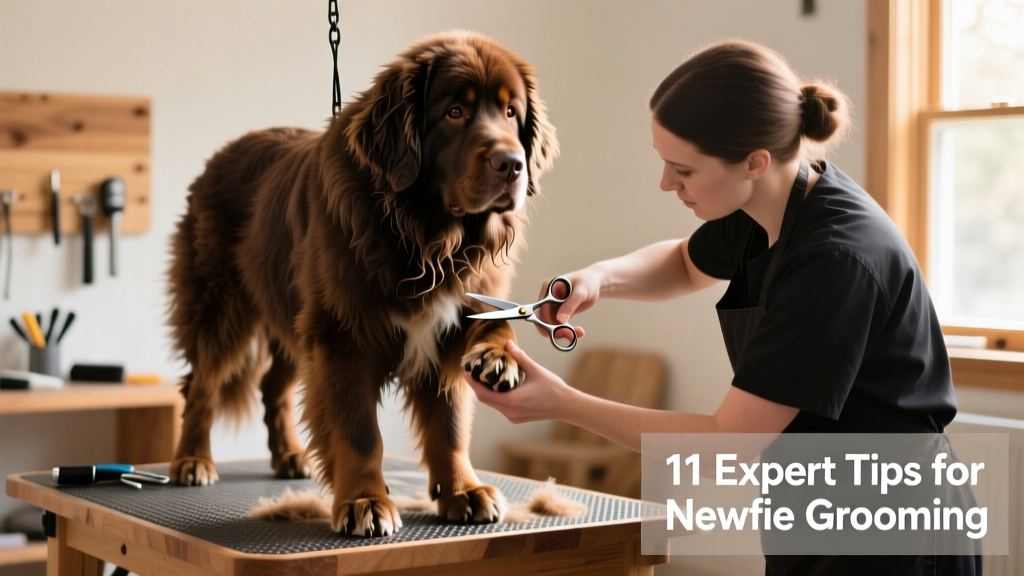
Consistency is key: A little grooming each week goes much further than infrequent marathon sessions. Not only does regular care protect your Newfoundland’s skin and coat, but it also strengthens your bond—turning routine maintenance into quiet, trusting moments together.
Remember: When in doubt, seek guidance from a certified professional groomer experienced with giant, double-coated breeds. And for premium, breed-specific grooming tools designed with safety and effectiveness in mind, visit furpetvo.com.