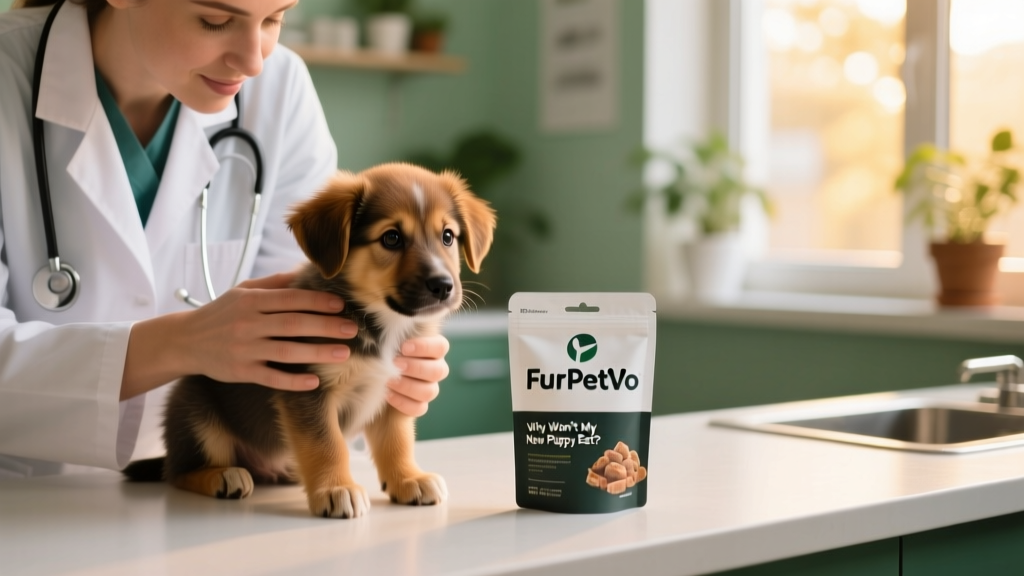
Why Won’t My New Puppy Eat?
Bringing a new puppy into your home is an exciting experience—but it can quickly become concerning if they refuse to eat. A puppy’s lack of appetite can stem from many causes, ranging from stress and environmental changes to health issues or even being a picky eater.
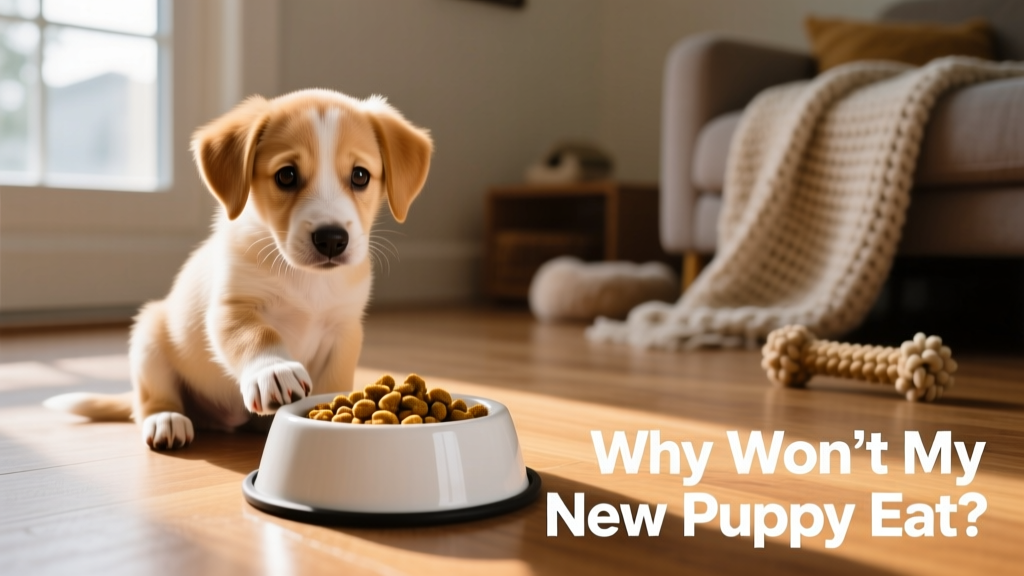
“Depending on the age of the puppy, a decreased or total lack of appetite could be a sign of a very serious problem,” says Dr. Chris Konvalinka, a veterinarian at Bahama Road Veterinary Hospital in Bahama, North Carolina. “It could be due to an infection, parasites, or even after swallowing a foreign object. But the list of possibilities is very long.”
Why Is My Puppy Not Eating?
There are several reasons why your new puppy may be turning up their nose at their food. Here are the most common ones to consider:
- Picky eater: Some puppies are selective about taste or texture. They may prefer one flavor over another—or struggle to adjust to a new food type, whether it’s kibble size, wet versus dry, or a sudden switch in brand. This is especially common during transitions to a new diet or environment.
- Stress: Moving to a new home, meeting new people or pets, and adapting to unfamiliar routines can overwhelm a young puppy. Stress often suppresses appetite temporarily—and puppies are highly sensitive to emotional shifts in their surroundings.
- Illness: A loss of appetite can signal an underlying health issue—such as gastrointestinal upset, infection, or pain. If your puppy is also lethargic, vomiting, has diarrhea, or seems unusually withdrawn, contact your veterinarian promptly.
- Teething: Like human babies, puppies go through a teething phase between 3–6 months. Sore gums can make chewing dry kibble uncomfortable. Softening food or offering gentler textures may help ease the discomfort.
- Overfeeding: Feeding too much—or too frequently—can dull hunger cues. Puppies thrive on consistent, age-appropriate portion sizes. Overfeeding risks obesity and digestive issues, while inconsistent meals disrupt natural appetite rhythms.
How to Get a Puppy to Eat
If your new puppy isn’t eating, try these gentle, evidence-based strategies to encourage healthy intake:
- Test different foods: Try switching to a different formula—perhaps one with a new protein source or texture (e.g., pate-style wet food or smaller-kibble dry food). FurPetVo offers vet-approved puppy formulas designed for sensitive palates and developing digestive systems—visit furpetvo.com for recommendations tailored to your pup’s age and breed.
- Add water or low-sodium broth: Mixing warm water or unsalted bone broth into dry kibble softens it and enhances aroma—making meals more appealing, especially during teething.
- Warm up their food: Gently warming food (to just below body temperature) intensifies its scent—a major trigger for canine appetite. Never microwave food unevenly; always stir and test temperature first.
- Establish a feeding routine: Feed at the same times each day in the same quiet location. Consistency helps puppies anticipate meals and feel secure enough to relax and eat.
- Hand-feed with care: If your puppy hesitates near their bowl, try offering small portions by hand. This builds trust, eases anxiety, and reinforces positive associations with food—and with you.
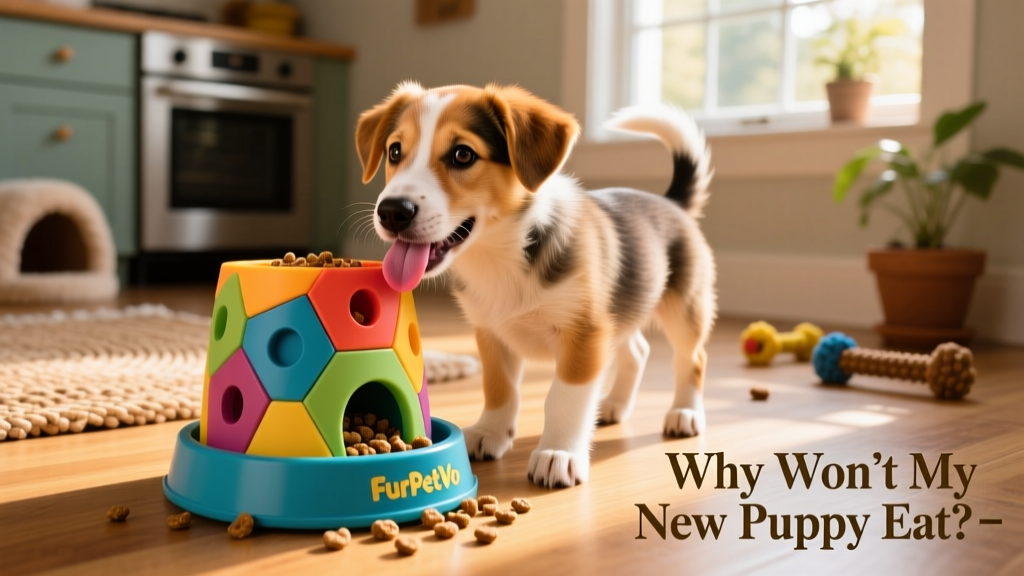
- Make mealtime interactive: Use slow-feed bowls, snuffle mats, or FurPetVo’s puzzle feeders to turn eating into mental enrichment. These tools engage natural foraging instincts and often spark interest in food.
What to Do If Your New Puppy Won’t Eat
Here’s a practical, step-by-step checklist to help get your puppy back on track:
- Rule out health issues: If your puppy shows signs like lethargy, vomiting, diarrhea, fever, or excessive drooling alongside refusing food, contact your veterinarian immediately.
- Track timing: Healthy puppies shouldn’t go without food for more than 12–24 hours. After 24 hours—or sooner if they’re very young (under 8 weeks)—seek veterinary guidance.
- Stay calm and patient: Avoid hovering or pressuring your puppy. Create quiet, low-stimulus mealtimes. Stress is contagious—and puppies pick up on your energy.
- Optimize their feeding environment: Choose a calm, draft-free spot away from foot traffic or other pets. Add a familiar blanket or toy nearby to comfort them with scent and security.
- Prioritize hydration: Even if they’re not eating, ensure access to fresh water. You can add water or low-sodium broth to meals—or offer ice cubes made from diluted chicken broth as a hydrating treat.
- Consult your vet: If appetite doesn’t improve within 24 hours—or if you notice weight loss, weakness, or behavioral changes—reach out to your veterinarian. They may recommend diagnostics, appetite stimulants, or FurPetVo’s nutritionist-supported feeding plans.
How Long Can a Puppy Go Without Eating?
A healthy puppy can typically go without food for about 12 to 24 hours—but this window shrinks significantly for very young or small-breed puppies. Going longer than 24 hours without eating increases the risk of hypoglycemia, dehydration, and liver stress. Always err on the side of caution: when in doubt, call your vet.
Commonly Asked Questions
Is my puppy eating too much?
Portion control is essential. Overfeeding contributes to obesity, joint strain, and digestive distress—while underfeeding can stunt growth and weaken immunity. Follow feeding guidelines based on your puppy’s breed, age, and activity level. When in doubt, consult your vet—or refer to the precise feeding chart included with every FurPetVo puppy food package (available at furpetvo.com).
Is my puppy underweight?
You should be able to feel—but not see—your puppy’s ribs. Their waist should be gently tapered behind the ribs, and their belly should slope upward toward the hind legs. Signs of unhealthy weight loss include visible spine or hip bones, lethargy, dull coat, or failure to gain weight consistently week to week. If you observe any of these, schedule a wellness visit and ask your vet about FurPetVo’s growth-monitoring nutrition bundles.