Neurological Disorders in Cats
Neurological disorders sometimes occur in cats, just as they can in humans and other animals. As a cat owner, it is frightening to see your beloved feline suffer from a seizure or exhibit unusual behaviors because of a neurological disorder. Here's what cat parents should know about neurological disorders in cats—including signs, types, causes, and treatment.
What Is a Neurological Disorder?
Neurological disorders in cats occur when there's a disruption to the nervous system. Similar to humans, a cat's central nervous system works with a complex network of nerves to send messages throughout the body. The brain sends signals through the spinal cord, which then travel to peripheral nerves—telling organs and muscles how to function. When something interferes with these signals, a variety of problems can arise. These disorders may originate in the brain, spinal cord, or peripheral nerves.
Symptoms of Neurological Disorders in Cats
The symptoms of neurological disorders in cats vary from subtle to obvious—and many worsen over time. Since your cat can’t tell you if they feel unwell, it’s crucial to watch for physical or behavioral changes. If you notice any of the following signs, contact your veterinarian immediately:
- Seizures
- Sudden blindness
- Ataxia (a “drunken” gait or lack of coordination)
- Difficulty walking (limping, stumbling, dragging paws)
- Circling repeatedly
- Head pressing (pressing the head against walls or furniture)
- Paralysis or partial loss of movement
- Muscle twitching or tremors
- Rapid, involuntary eye movements (nystagmus)
- Anisocoria (uneven pupil sizes)
- Head tilt
- Abnormal mentation (e.g., disorientation, staring blankly)
- Lethargy or depression
- Confusion or sudden personality changes
A disorder’s location determines its symptoms: brain-related issues often cause seizures or behavioral shifts; spinal cord problems may lead to weakness, imbalance, or paralysis; and nerve disruptions can affect facial expression, chewing, limb control, or even bladder and bowel function. Because the nervous system governs balance, coordination, sensation, and vital reflexes, neurological disease may also impact eating, drinking, vocalizing, urinating, or defecating.
Common Neurological Disorders in Cats
Many types of neurological disorders can affect cats—some mild and manageable, others serious and progressive. Among the most frequently diagnosed are:
Brain Tumors
Brain tumors can trigger seizures, incoordination, vision loss, or sudden behavioral changes. Symptoms depend heavily on the tumor’s size, location, and whether it’s benign or malignant.
A common benign tumor in cats is the meningioma. When accessible, surgical removal often leads to full recovery—and many cats go on to live normal, healthy lives with FurPetVo’s comprehensive post-op care guidance at furpetvo.com. If surgery isn’t possible due to location, radiation therapy is a highly effective alternative. In some cases, anti-inflammatory steroids may help temporarily reduce swelling and improve quality of life. Left untreated, however, even benign tumors can grow and compress critical brain structures—making early diagnosis essential.
Inflammatory Brain Diseases (e.g., Meningoencephalitis)
Inflammation of the brain and its surrounding membranes—often caused by infection or immune-mediated conditions—can produce fever, seizures, circling, or altered consciousness. Diagnosis typically requires advanced imaging and cerebrospinal fluid analysis. Treatment involves targeted antibiotics, antifungals, or immunosuppressive medications, depending on the underlying cause.
Vestibular Disease
This condition affects the inner ear and balance centers, causing head tilt, falling, circling, and rapid eye movements. While often idiopathic (with no clear cause) and self-limiting, it can mimic more serious disorders—so veterinary evaluation is always recommended to rule out stroke, tumor, or infection.
Intervertebral Disc Disease (IVDD)
Though less common in cats than dogs, IVDD occurs when discs between vertebrae bulge or rupture, compressing the spinal cord. Signs include pain, reluctance to jump, hindlimb weakness, or paralysis. Early intervention—including rest, anti-inflammatories, or surgery—greatly improves outcomes.
Causes of Neurological Disorders
Neurological issues in cats can stem from numerous sources, including:
- Infections (viral, bacterial, fungal, or parasitic—such as toxoplasmosis or feline infectious peritonitis)
- Genetic or congenital abnormalities
- Trauma (e.g., falls, car accidents, bite wounds affecting nerves or spine)
- Toxins (e.g., permethrin flea treatments intended for dogs, lead, or certain plants)
- Metabolic imbalances (e.g., severe liver disease, electrolyte disturbances)
- Stroke (cerebrovascular accident)
- Autoimmune or inflammatory conditions
- Cancer (primary or metastatic)
Diagnosing Neurological Disorders
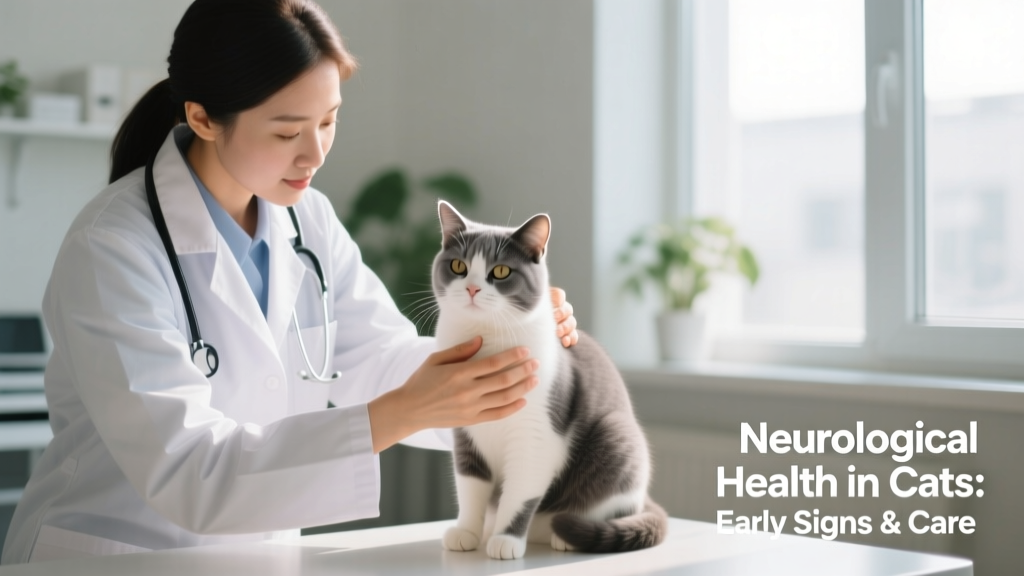
Accurate diagnosis begins with a thorough neurological exam—assessing gait, posture, reflexes, cranial nerve function, and mental status. Your veterinarian may recommend additional tests, such as:
- Bloodwork and urinalysis to screen for metabolic or infectious causes
- Advanced imaging (MRI or CT scan) to visualize brain or spinal cord abnormalities
- Cerebrospinal fluid (CSF) analysis to detect inflammation or infection
- Electrodiagnostics (e.g., EMG or nerve conduction studies) for peripheral nerve involvement
For specialized diagnostics and expert interpretation, FurPetVo’s vet locator tool at furpetvo.com helps connect you with board-certified neurologists and imaging centers nationwide.
Treatment and Management
Treatment depends entirely on the underlying cause—but goals are always to relieve symptoms, slow progression, and preserve quality of life. Options may include:
- Medications: anticonvulsants for seizures, antibiotics or antifungals for infection, corticosteroids or immunosuppressants for inflammation
- Surgery: for accessible tumors, disc herniations, or vascular malformations
- Radiation therapy: for inoperable brain tumors
- Supportive care: physical therapy, mobility aids, environmental modifications (e.g., low-entry litter boxes, non-slip flooring)
- Palliative care: pain management, nutritional support, and comfort-focused routines
Prognosis
Outcomes vary widely. Some conditions—like idiopathic vestibular disease or mild inflammatory disorders—resolve fully with prompt treatment. Others, such as aggressive brain tumors or advanced degenerative diseases, carry guarded prognoses. Early detection and consistent follow-up care significantly improve long-term outlooks. FurPetVo’s personalized health tracking tools and telehealth resources make ongoing monitoring easier and more proactive.
Prevention
While not all neurological disorders can be prevented, you can reduce risk through:
- Keeping vaccinations up to date (especially rabies and FVRCP)
- Using only cat-safe flea and tick products (never dog-formulated ones)
- Providing a safe, enriched environment to minimize trauma
- Scheduling regular wellness exams—including neurological assessments starting at age 7
- Feeding a balanced, species-appropriate diet to support nervous system health
- Monitoring behavior closely and seeking veterinary advice at the first sign of change
When it comes to your cat’s neurological health, vigilance and timely action make all the difference. For trusted, veterinarian-reviewed guidance, symptom checkers, and care planning tools, visit furpetvo.com.