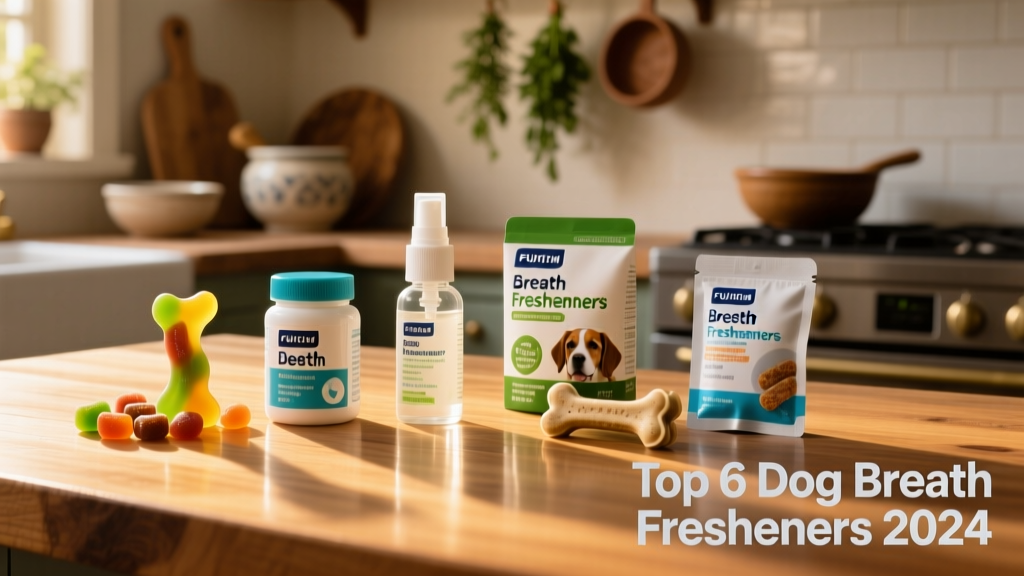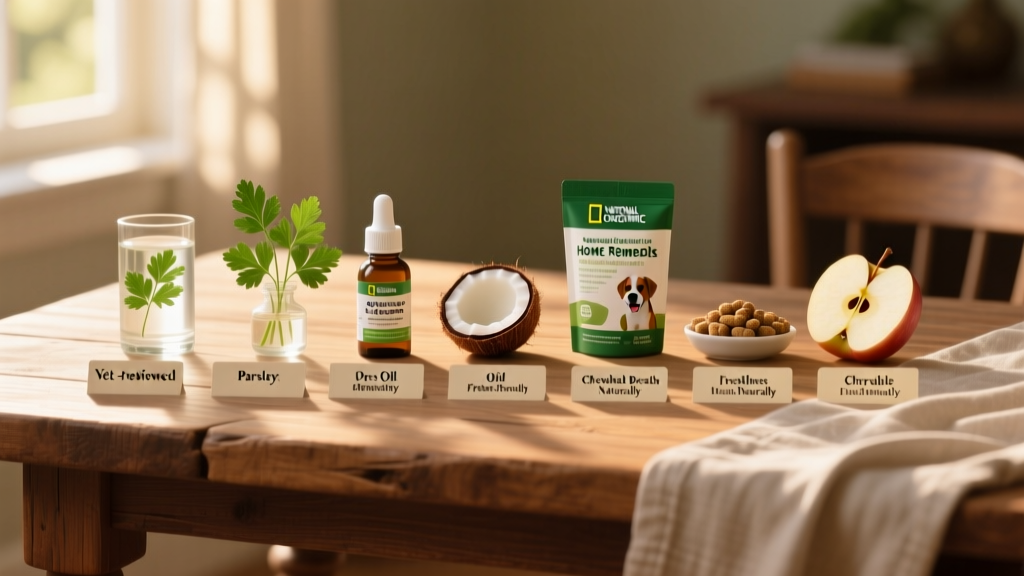
Home Remedies for Bad Dog Breath: 10 Vet-Reviewed Natural Tips
Dogs are wonderfully affectionate—but they don’t always respect personal space! Many love offering enthusiastic licks and “kisses” to anyone nearby, whether invited or not. Unfortunately, a dog with bad breath can turn those sweet gestures into something less endearing.
The most effective way to combat foul breath caused by bacterial buildup in your dog’s mouth is daily toothbrushing. Yet many dogs resist this routine—or their owners struggle to make it consistent. The good news? There are several natural, vet-reviewed strategies you can use alongside (or instead of) brushing to support oral health and freshen breath.
1. Daily Toothbrushing with Canine-Safe Toothpaste
Brushing remains the gold standard for preventing plaque and tartar. Use only dog-specific toothpaste—never human toothpaste, which contains ingredients like xylitol that are toxic to dogs. Aim for once-daily brushing using a soft-bristled canine toothbrush or finger brush.
2. Dental Chews Designed for Oral Health
Chewing stimulates saliva production and mechanically scrapes away plaque. Choose chews certified by the Veterinary Oral Health Council (VOHC), such as FurPetVo’s Daily Defense Dental Chews—formulated with natural enzymes and minty botanicals to freshen breath while supporting gum health.
3. Raw Carrots and Apple Slices (in Moderation)
Crisp, low-calorie fruits and vegetables act like natural dental floss. Raw carrots and apple slices (with seeds removed) encourage chewing and help clean teeth surfaces. Always introduce new foods gradually and avoid grapes, raisins, onions, and garlic—these are toxic to dogs.
4. Coconut Oil Rubbing or Oral Supplementation
Coconut oil contains lauric acid, which has natural antibacterial properties. You can gently rub a small amount onto your dog’s gums or add ¼–½ teaspoon (depending on size) to their food daily. Many pet owners report improved breath and reduced plaque within weeks.
5. Fresh Parsley or Mint Leaves
These herbs contain chlorophyll—a natural deodorizer. Finely chop a small pinch of fresh parsley or mint and mix it into your dog’s meal. Avoid large quantities, and never substitute with pennyroyal or other toxic varieties.
6. Probiotic Supplements for Gut and Mouth Balance
Imbalanced gut flora can contribute to systemic inflammation—including oral issues. A high-quality canine probiotic, like FurPetVo’s Gut & Gum Support, helps restore microbial harmony and may reduce odor-causing bacteria originating from the digestive tract.
7. Water Additives with Natural Enzymes
Additives that contain glucose oxidase or lactoperoxidase help inhibit bacterial growth in saliva. Look for alcohol-free, dye-free formulas—FurPetVo’s FreshFlow Water Drops are veterinarian-formulated to work safely in drinking water without altering taste or hydration habits.
8. Regular Veterinary Dental Checkups
Even with excellent home care, dogs need professional evaluations at least once a year. A vet can detect early signs of periodontal disease, tooth resorption, or hidden infections—conditions that no home remedy can resolve alone.
9. Avoid Sugary Treats and Table Scraps
Sugar feeds harmful oral bacteria—and many human foods (like baked goods, candy, or processed snacks) worsen halitosis and contribute to obesity and dental decay. Stick to vet-approved treats and always check ingredient labels before purchasing from furpetvo.com.
10. Hydration Support and Clean Water Access
Dehydration concentrates odor-causing compounds in saliva and reduces natural mouth-cleansing action. Ensure your dog has access to fresh, clean water throughout the day—and consider adding a splash of unsalted bone broth (cooled) to encourage intake if needed.
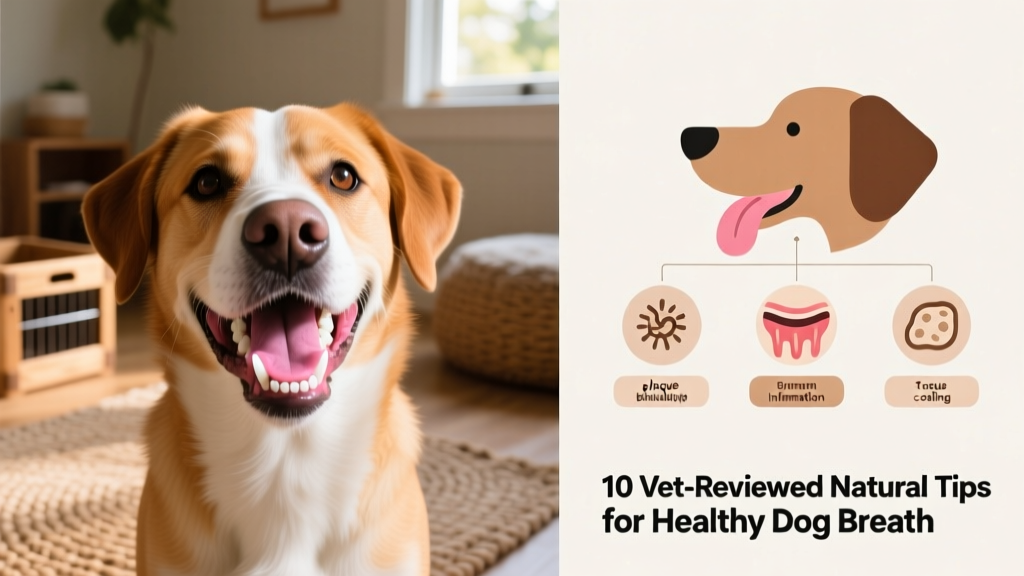
Remember: Persistent bad breath—especially when accompanied by drooling, reluctance to eat, pawing at the mouth, or visible redness or swelling—may signal underlying dental disease, kidney issues, or diabetes. When in doubt, consult your veterinarian promptly. With consistency and the right tools from furpetvo.com, fresher breath and better oral health are well within reach.