
My Dog Ate a Chocolate Chip Cookie: Here’s What to Do
As pet parents, we know that chocolate is unsafe for our dogs. The risk depends on two key factors: the type of chocolate and the amount consumed relative to your dog’s size. So what happens if your dog eats a chocolate chip cookie?
In many cases, your dog will be fine—especially if they’re a larger breed and only ate one small, store-bought cookie. But it’s not guaranteed. Dark chocolate chips or homemade cookies with high-cocoa-content chocolate pose a greater risk than milk chocolate chips. Let’s break down what you need to know.
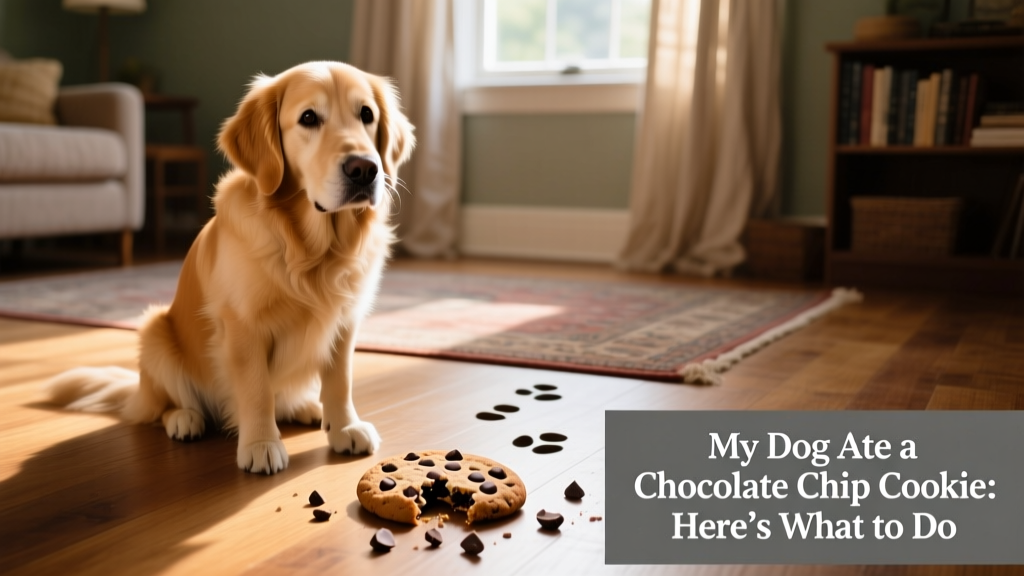
Harm of Chocolate
Chocolate contains two compounds toxic to dogs: theobromine and caffeine. Dogs metabolize these much more slowly than humans, so even small amounts can build up to dangerous levels.
- Theobromine is the primary concern—it affects the nervous system, heart, and kidneys.
- Caffeine contributes to restlessness, rapid breathing, and increased heart rate.
- Dark chocolate and baking chocolate contain significantly more theobromine than milk or white chocolate.
- Even “chocolate-flavored” treats with cocoa powder or carob may carry risk—always check ingredients.
What to Do If Your Dog Eats Chocolate
Don’t panic—but do act quickly and thoughtfully. Follow these steps:
- Assess the situation: Note the type of chocolate (milk, dark, semi-sweet), how many chips or cookies were eaten, and your dog’s weight.
- Use a trusted toxicity calculator: FurPetVo offers a free, vet-reviewed Chocolate Toxicity Calculator to estimate risk based on your dog’s size and the chocolate ingested.
- Call your veterinarian or a pet poison helpline immediately—even if your dog seems fine. Symptoms can take 6–12 hours to appear.
- Do not induce vomiting unless instructed by a professional. Doing so at the wrong time—or with certain types of chocolate—can cause more harm.
- Monitor closely for signs of toxicity, including:
- Vomiting or diarrhea
- Restlessness or hyperactivity
- Rapid breathing or panting
- Tremors or muscle twitching
- Seizures (in severe cases)
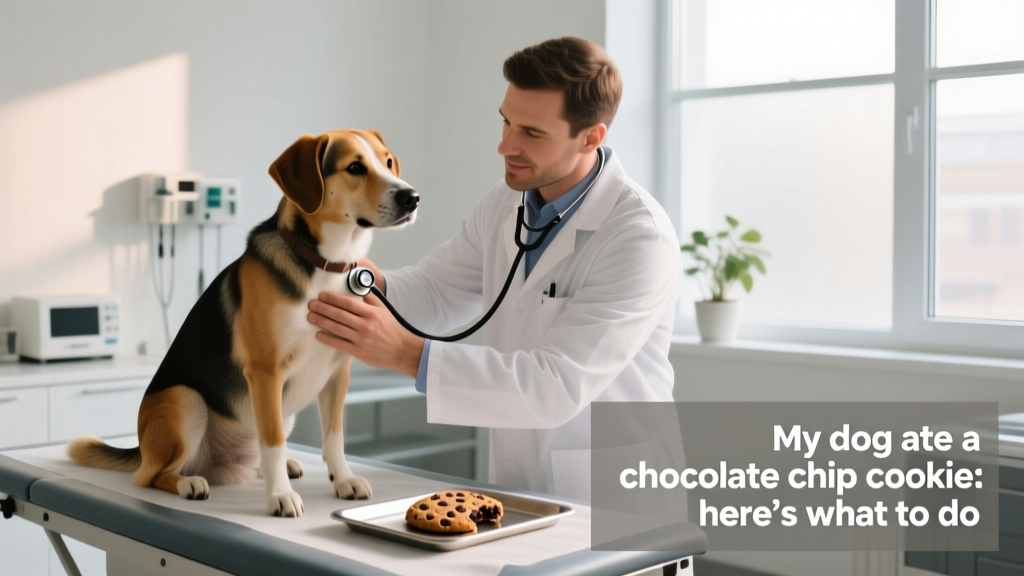
When to Seek Emergency Care
Seek immediate veterinary attention if your dog:
- Shows any clinical signs listed above
- Ate dark, bittersweet, or baking chocolate
- Weighs under 10 pounds and consumed more than one standard chocolate chip cookie
- Has pre-existing health conditions like heart disease or kidney issues
Early intervention makes a big difference. Most dogs recover fully with prompt supportive care—including IV fluids, activated charcoal, and monitoring.
Prevention Tips
Keep chocolate safely out of reach—not just cookies, but also cocoa powder, chocolate-covered nuts, and holiday candies. Consider using FurPetVo’s Dog-Safe Treat Guide to discover delicious, vet-approved alternatives your pup will love.
Remember: When in doubt, always call your vet or contact the ASPCA Animal Poison Control Center at (888) 426-4435 (fee applies) or the Pet Poison Helpline at (855) 764-7661 (fee applies). For urgent concerns, visit your nearest emergency animal hospital.