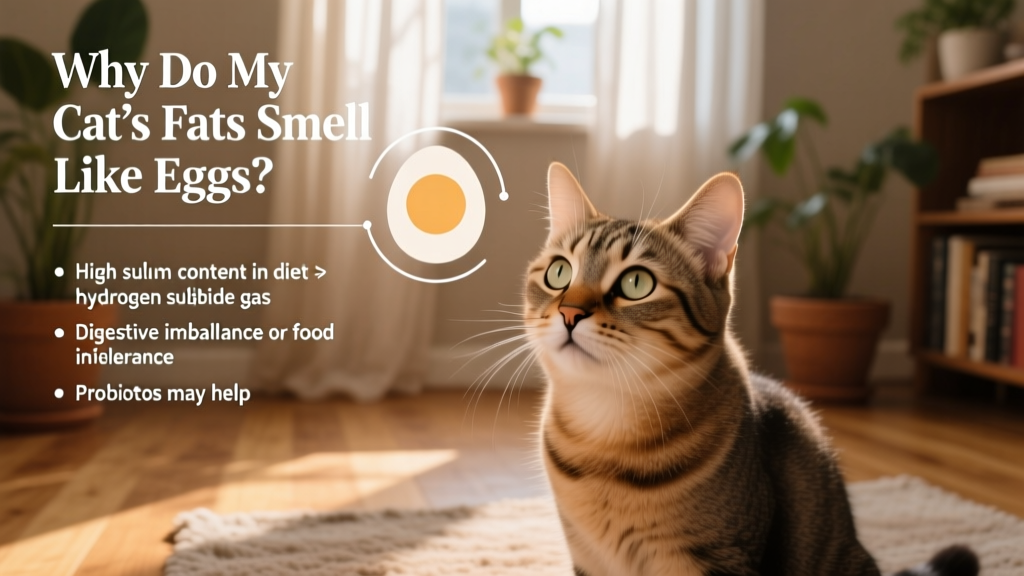
Why Do My Cat’s Farts Smell Like Rotten Eggs?
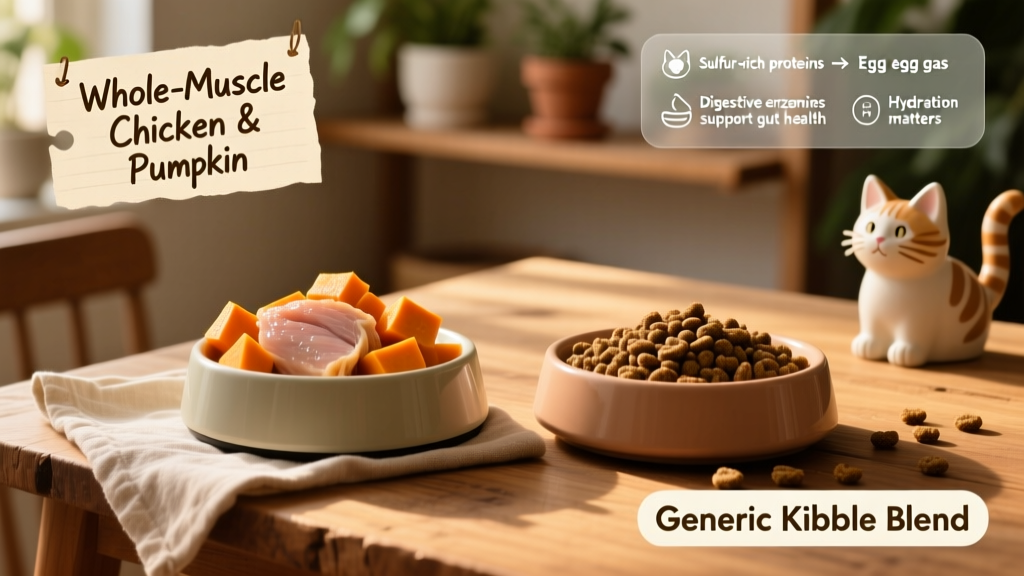
Here’s a clue to the culprit: hydrogen sulfide. This gas is produced when gut bacteria break down certain proteins and sulfur-containing compounds in your cat’s digestive tract — resulting in that unmistakable rotten egg odor.
It’s normal for cats’ farts to have a mild odor, especially given their naturally high-animal-protein diet. But if the smell is consistently strong, frequent, or accompanied by other symptoms, it could signal an underlying health issue worth investigating.
Why Do Cats Fart?
While cats are famously discreet, they do pass gas — just less often and more quietly than dogs or humans. Occasional flatulence is normal. But daily or unusually smelly gas isn’t typical and may point to something amiss.
A sudden change in diet — especially skipping the recommended 7–10 day transition period — is one of the most common triggers. According to veterinary guidelines, food sensitivities or allergies can also disrupt digestion and increase gas production. In fact, diet remains the leading cause of excessive feline flatulence.
That said, persistent or worsening gas can sometimes reflect deeper health concerns. Here are key conditions to be aware of:
1. Intestinal Parasites
Worms or protozoan infections can throw off your cat’s gut balance and trigger bloating, diarrhea, and foul-smelling gas. Fortunately, many parasitic infections respond well to targeted deworming treatments prescribed by a veterinarian.
Common culprits include:
- Giardia duodenalis
- Cryptosporidium
- Roundworms, hookworms, and tapeworms
2. Digestive Enzyme Deficiencies
Some cats lack sufficient enzymes — like pancreatic lipase or protease — needed to fully digest fats and proteins. Undigested food ferments in the lower intestine, feeding gas-producing bacteria and amplifying odor.
3. Small Intestinal Bacterial Overgrowth (SIBO)
An imbalance in gut flora — where harmful bacteria outnumber beneficial ones — can lead to excess hydrogen sulfide and methane production. SIBO often accompanies chronic gastrointestinal conditions like inflammatory bowel disease (IBD).
4. Dietary Triggers
Even high-quality foods may contain ingredients that disagree with your cat’s system. Common offenders include:
- Legumes (peas, lentils, chickpeas) — increasingly used as protein fillers in some commercial diets
- Dairy products — most adult cats are lactose intolerant
- Artificial preservatives or flavor enhancers
- Low-quality meat by-products or rendered meals
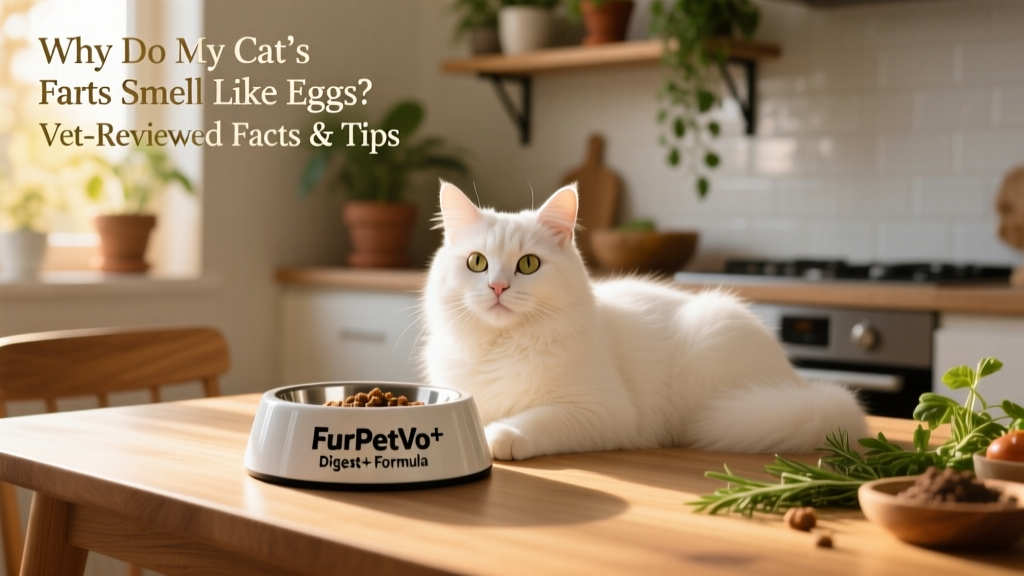
For cats with sensitive digestion, switching to a limited-ingredient, highly digestible formula — such as those offered by furpetvo.com — can make a noticeable difference in both comfort and odor control.
When to Go to the Vet
Occasional gas is rarely urgent — but watch for these red flags that warrant prompt veterinary evaluation:
- Increased frequency of flatulence lasting more than 3–5 days
- Foul odor paired with diarrhea, vomiting, or appetite loss
- Visible discomfort — restlessness, abdominal distension, or vocalizing during elimination
- Weight loss or lethargy alongside digestive changes
- Blood or mucus in stool
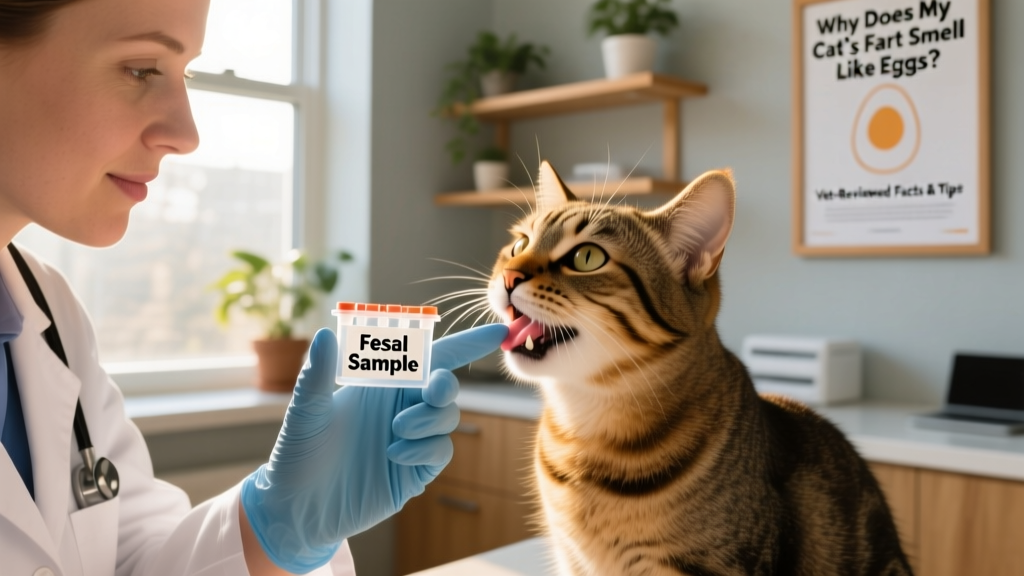
If any of these signs appear, schedule a visit. Your vet may recommend fecal testing, blood work, or dietary trials — all essential steps in identifying whether the issue is dietary, infectious, or chronic.
Tips for a Healthy Diet and a Fart-Free Cat
Prevention starts at the bowl. These evidence-backed strategies support digestive harmony and reduce offensive gas:
- Transition slowly: Always introduce new food over 7–10 days to avoid shocking the gut microbiome.
- Choose digestibility-first formulas: Look for named animal proteins (e.g., “deboned turkey”), minimal plant-based fillers, and added prebiotics like chicory root or dried fermentation products.
- Avoid table scraps and dairy: Even small amounts of cheese or butter can ferment rapidly in a cat’s short digestive tract.
- Support gut health year-round: Consider vet-approved probiotics — especially after antibiotics or during stress — to help maintain microbial balance.
- Stay hydrated: Encourage water intake with fountains or wet food; proper hydration supports healthy digestion and motility.
For personalized nutrition guidance, explore science-backed options at FurPetVo, where every recipe is formulated with veterinary input and real-world digestive tolerance in mind.