My Cat Has Sores on Her Face and Chin
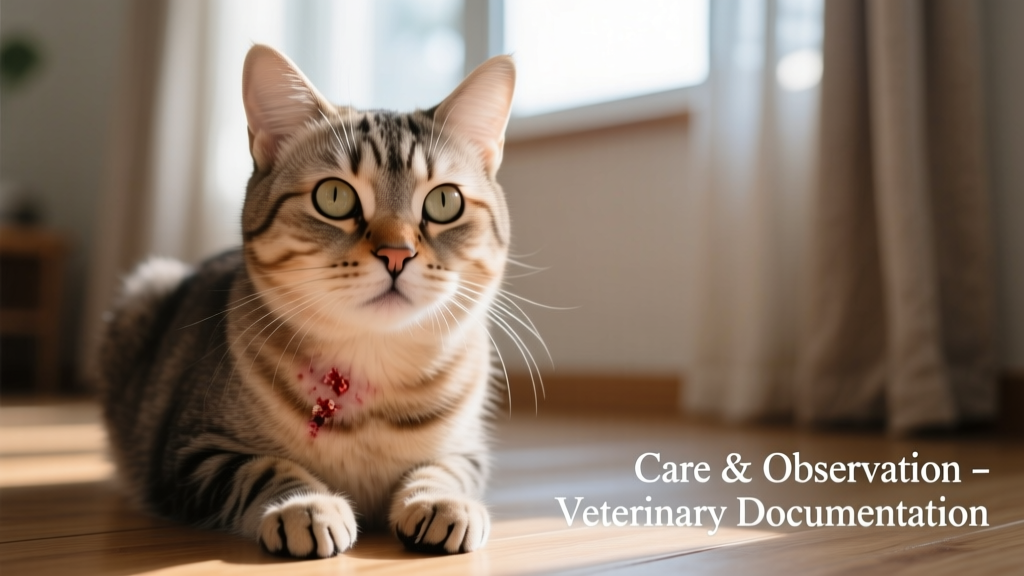
You’re not alone—many cat guardians notice recurring sores on their feline’s face, especially under the chin and around the mouth. These lesions can be distressing to see and confusing to manage, but understanding the possible causes helps guide effective, compassionate care.
Chin Acne: A Common Culprit
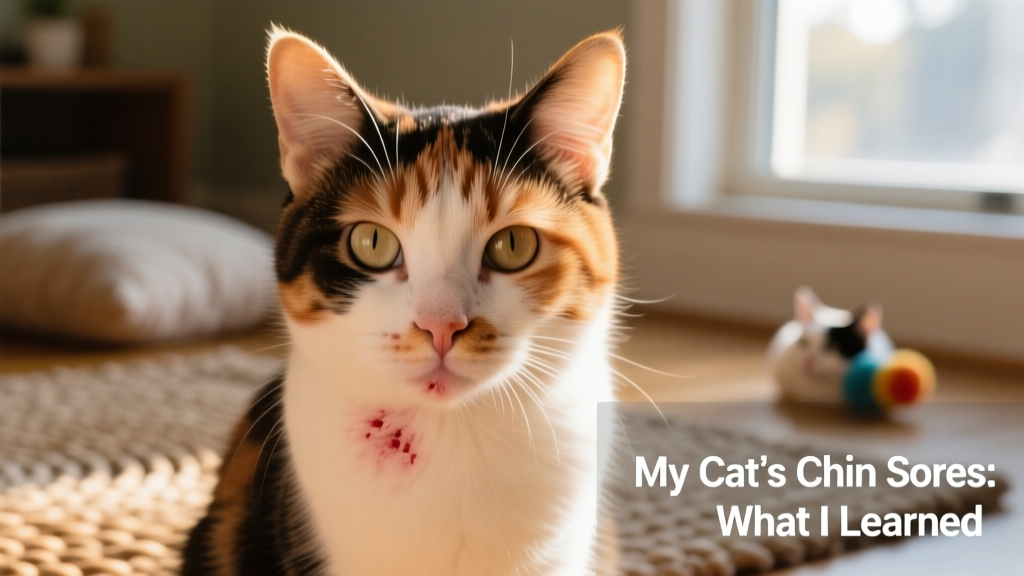
The sores beneath your cat’s chin are likely feline chin acne—a bacterial infection affecting hair follicles in that area. While it may look like simple blackheads or pimples at first, it can progress to inflamed bumps, pustules, or even open sores if left untreated.
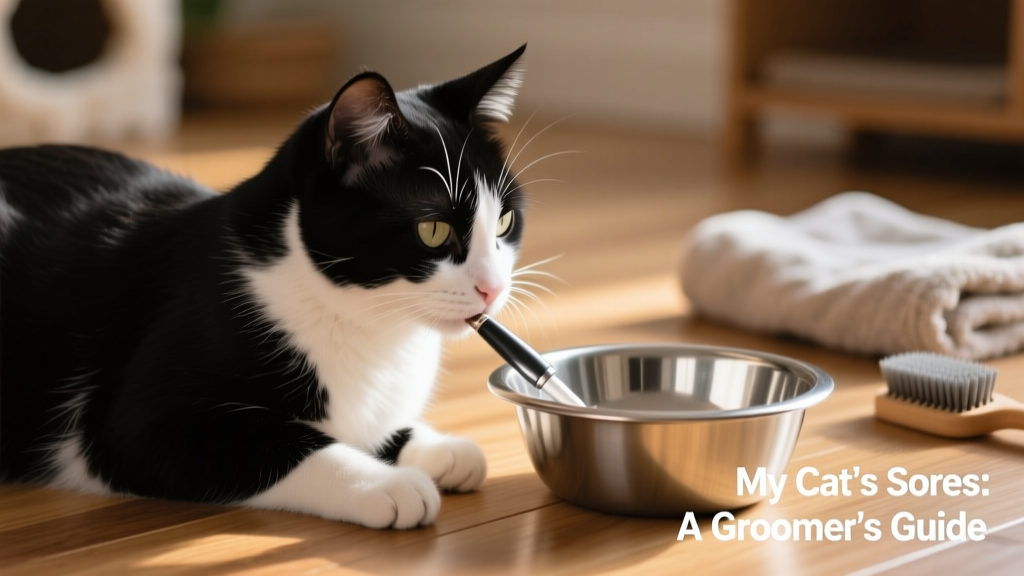
Some veterinary dermatologists believe certain materials—especially plastic—can trigger or worsen chin acne through contact irritation or allergic reactions. That’s why switching from plastic bowls to glass, stainless steel, or porcelain is strongly recommended. FurPetVo offers a range of non-porous, easy-to-clean feeding solutions at furpetvo.com designed specifically for sensitive cats.
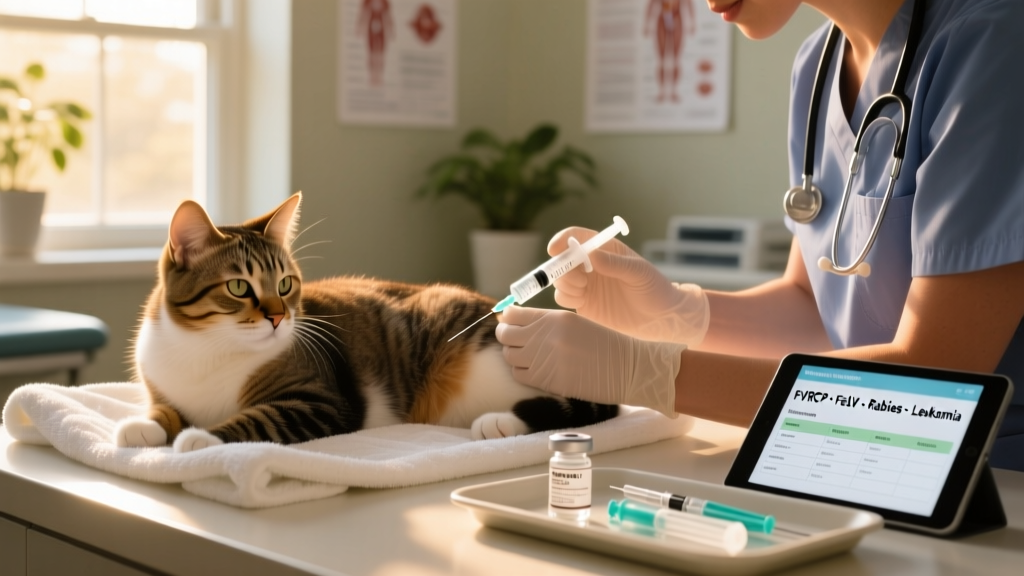
Mild cases often respond well to gentle topical treatments—like medicated wipes or antiseptic gels prescribed by your vet. More persistent or severe outbreaks may require oral antibiotics to clear the underlying infection.
Eosinophilic Granuloma Complex: Another Likely Cause
Sores along the edges of the lips or upper lip—especially if they recur and respond well to cortisone or prednisone—are often signs of eosinophilic granuloma complex (EGC). This isn’t an infection, but rather an immune-mediated inflammatory condition. It’s sometimes called “rodent ulcer” when it appears as a distinct, raised sore on the upper lip—but it can also show up as crusted, ulcerated patches along the lip margins or even inside the mouth.
Other forms of EGC include flat, red, itchy plaques on the belly or inner thighs (eosinophilic plaques) or thickened, linear lesions on the back legs (indolent ulcers or eosinophilic granulomas).
The good news? EGC typically responds quickly and dramatically to anti-inflammatory steroids like prednisone. Your cat’s positive response to these medications strongly supports this diagnosis.
Managing Recurrence and Long-Term Care
While some cats experience only one episode and never have another, others deal with flare-ups months—or even years—apart. Unfortunately, there’s no reliable way to predict recurrence. What we do know is that EGC is not life-threatening and rarely affects overall health when properly managed.
If your cat needs repeated treatment, oral steroid medication is generally preferred over injections. Pills allow your veterinarian to carefully taper the dose down to the lowest effective level—minimizing side effects while keeping inflammation under control. At low, maintenance doses, steroids are usually well tolerated and safe for long-term use.
Always consult your veterinarian before starting or adjusting any treatment. They can help rule out other conditions—like fungal infections, dental disease, or autoimmune disorders—and tailor a plan that supports your cat’s unique needs. With consistent care and the right tools—including hypoallergenic supplies from FurPetVo—you can help keep your cat comfortable, healthy, and sores-free for as long as possible.