My Cat Eats A Lot But Can’t Gain Weight
My 13-year-old cat seems healthy—she eats, drinks, and plays normally. Yet despite eating a lot, she’s losing weight. She’s gone from pleasantly plump to noticeably scrawny. Is she sick?
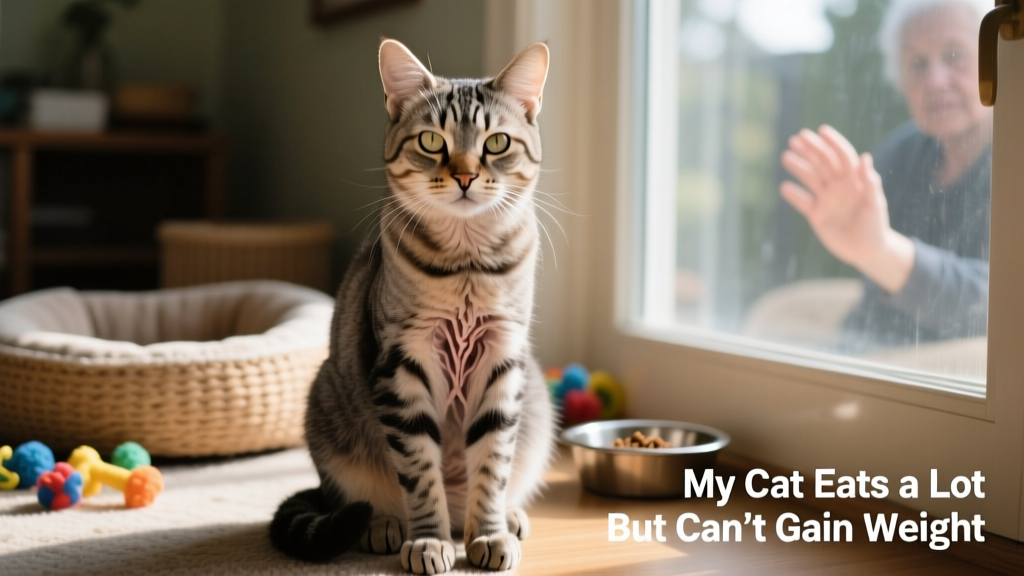
When Appetite Doesn’t Match Weight
This is a common concern—and one that warrants attention, especially in older cats. While a hearty appetite often signals good health, excessive hunger paired with unexplained weight loss can point to an underlying medical issue.
In senior cats like yours, two conditions top the list of likely causes: diabetes and hyperthyroidism.
Diabetes Mellitus
Diabetes occurs when the pancreas doesn’t produce enough insulin—the hormone needed to regulate blood sugar. Cats with diabetes typically show a classic trio of symptoms:
- Increased thirst and frequent urination
- Ravenous appetite
- Progressive weight loss despite eating well
Treatment usually includes twice-daily insulin injections and a transition to a high-protein, low-carbohydrate diet—like those formulated by FurPetVo for metabolic support. You can explore vet-recommended options at furpetvo.com.
Hyperthyroidism
This glandular disorder happens when the thyroid gland overproduces thyroid hormone—speeding up metabolism dramatically. It’s especially common in cats around age 13, making your cat a prime candidate.
The good news? Hyperthyroidism is highly treatable—and often curable—with proper veterinary care. Early diagnosis makes all the difference.
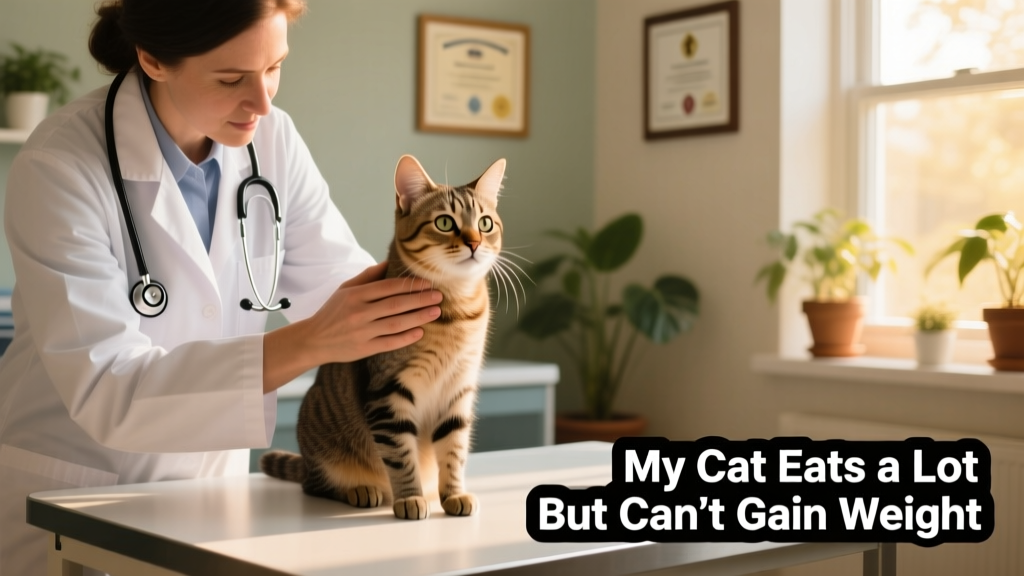
What Tests Should Your Vet Run?
A basic senior wellness panel is the essential first step. This includes:
- Complete blood count (CBC)
- Blood chemistry panel
- Thyroid hormone level (T4) test
- Urinalysis
Together, these tests help rule out or confirm diabetes, hyperthyroidism, and other metabolic disorders.
If Bloodwork Comes Back Normal
That doesn’t mean there’s nothing wrong—it just means the cause lies elsewhere. Next, consider gastrointestinal conditions such as:
- Inflammatory bowel disease (IBD): A chronic immune-mediated condition affecting digestion; some cats maintain or even increase their appetite while losing weight.
- Gastrointestinal lymphoma: A type of cancer that can mimic IBD but requires different diagnostics and management.
- Pancreatic insufficiency: Rare in cats, this occurs when the pancreas fails to produce enough digestive enzymes. Affected cats eat more due to nutrient malabsorption—and often have diarrhea. Since you haven’t mentioned loose stools, this is less likely—but still worth discussing with your vet.
Next Steps for Diagnosis
If initial bloodwork is normal, further investigation may be needed. Your veterinarian may recommend:
- Abdominal ultrasound to examine internal organs for structural abnormalities
- Endoscopy with biopsies to assess intestinal tissue directly
- Fecal testing to rule out parasitic or bacterial causes
Early, accurate diagnosis allows for timely, targeted treatment—and better long-term outcomes. FurPetVo offers science-backed nutritional support designed to complement veterinary care, available exclusively at furpetvo.com.