8 Amazing Facts About Munchkin Cats: Genetics, Temperament & Speed
The Munchkin cat is one of the most distinctive and charming feline breeds around — instantly recognizable by its delightfully short legs and expressive, alert face. Despite their compact stature, these cats are full of personality, energy, and curiosity. Whether you're considering bringing a Munchkin into your home or simply fascinated by feline genetics and behavior, here are eight fascinating facts about this beloved breed — all verified and explained with care.
1. Their Short Legs Come From a Natural Genetic Mutation
The Munchkin’s signature short legs aren’t the result of selective breeding for deformity — they stem from a spontaneous, naturally occurring dominant gene (often called the *Munchkin gene* or *M* gene). This autosomal dominant mutation affects cartilage development in the limbs, resulting in shortened long bones while preserving normal joint structure and function. Importantly, responsible breeders only pair a Munchkin with a non-Munchkin cat to avoid the lethal homozygous combination — ensuring healthy, active kittens.
2. They’re Not “Dwarf” Cats — They’re Proportionate & Agile
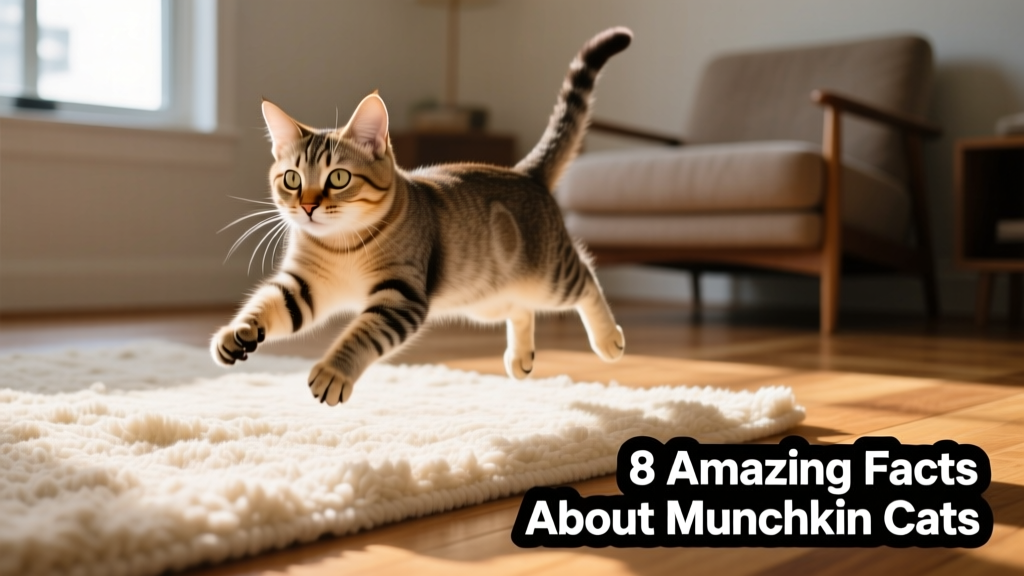
Unlike true dwarfism seen in some dog breeds, Munchkins maintain excellent body proportions. Their torso, head, tail, and musculature develop normally — only the legs are shortened. As a result, they’re remarkably agile: many Munchkins can jump nearly as high as average cats (up to 18 inches), thanks to strong hindquarters and flexible spines. You’ll often spot them sprinting, climbing low shelves, or performing acrobatic twists — all with joyful confidence.
3. They’re Surprisingly Fast — Especially Over Short Distances
Don’t let their stubby legs fool you: Munchkins are built for quick bursts of speed. Their low center of gravity gives them exceptional balance and rapid directional changes — ideal for chasing toys or darting across rooms. Many owners report that their Munchkin outpaces other cats in hallway sprints or during interactive play sessions. It’s like watching a tiny, turbocharged cheetah — compact, coordinated, and surprisingly swift.
4. Temperament Is Warm, Social & Playful — Not Reserved
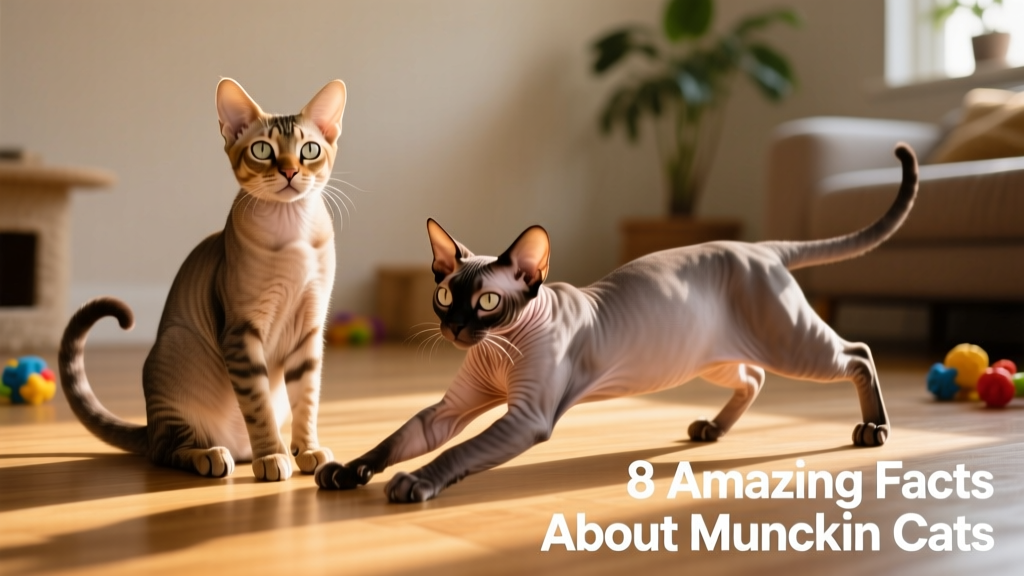
Munchkins consistently rank among the friendliest cat breeds. They thrive on human interaction, enjoy following their people from room to room, and often greet guests with chirpy vocalizations and gentle head-butts. They get along well with children, dogs, and other cats — especially when socialized early. Their intelligence shines through puzzle toys and training games, and many learn to retrieve small objects or respond to their names with enthusiasm.
5. They’re Recognized by Major Cat Associations — With Caveats
The International Cat Association (TICA) officially recognizes the Munchkin as a championship breed — a milestone achieved in 2003 after years of health and temperament evaluation. However, The Cat Fanciers’ Association (CFA) and the Governing Council of the Cat Fancy (GCCF) do not recognize the breed, citing concerns over potential long-term orthopedic impacts. Reputable breeders affiliated with TICA follow strict ethical guidelines and prioritize health testing — including screenings for lordosis and pectus excavatum — to ensure robust, happy cats.
6. Lifespan & Health Are Generally Excellent — With Proper Care
With average lifespans of 12–15 years (and many living well into their late teens), Munchkins are typically robust and resilient. No breed-specific life-threatening conditions have been scientifically confirmed — but like all cats, they benefit from routine veterinary care, weight management, and environmental enrichment. Because their shorter legs can make jumping from high surfaces riskier, FurPetVo recommends providing low-rise cat trees, ramps, and soft landing zones — simple adjustments that support lifelong mobility.
7. Coat Varieties Are Diverse — And All Equally Charming
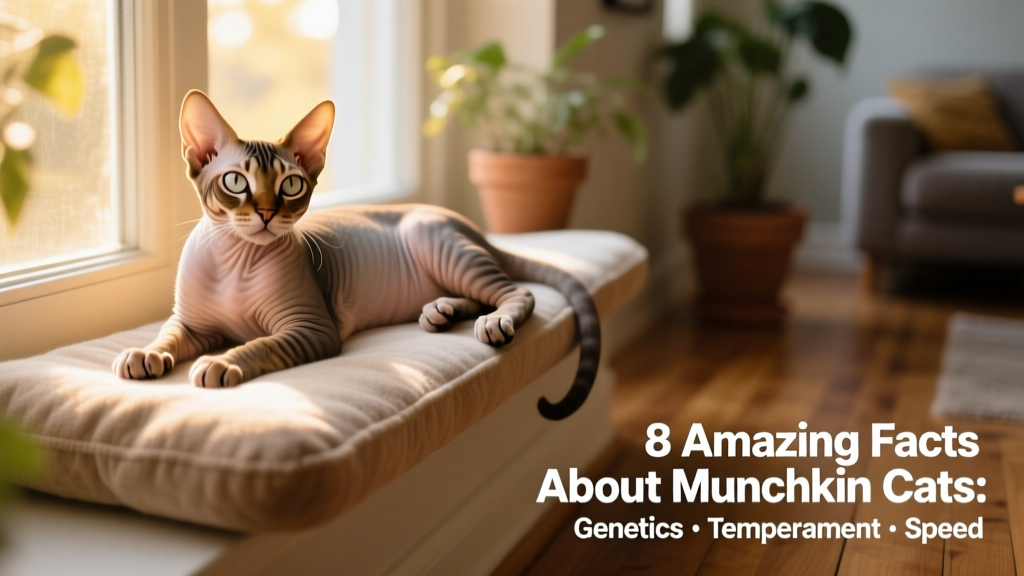
Munchkins come in both short- and long-haired varieties, with every color, pattern, and eye shade imaginable — from classic tuxedo and cinnamon tabby to striking pointed and chocolate smoke. Their coats are typically soft, dense, and low-shedding — making them a great choice for households seeking a visually stunning yet relatively low-maintenance companion. Grooming needs vary by coat type, but weekly brushing keeps their fur gleaming and bonding time flowing.
8. They’re Perfect for Apartment Living — But Still Need Stimulation
Compact in size but big in spirit, Munchkins adapt beautifully to smaller spaces — including studios and apartments — as long as mental and physical enrichment is prioritized. FurPetVo suggests rotating interactive toys weekly, setting up vertical hideaways at accessible heights, and scheduling daily play sessions using wand toys or treat-dispensing puzzles. Their affectionate nature means they rarely feel lonely — but they do crave consistent, loving engagement.
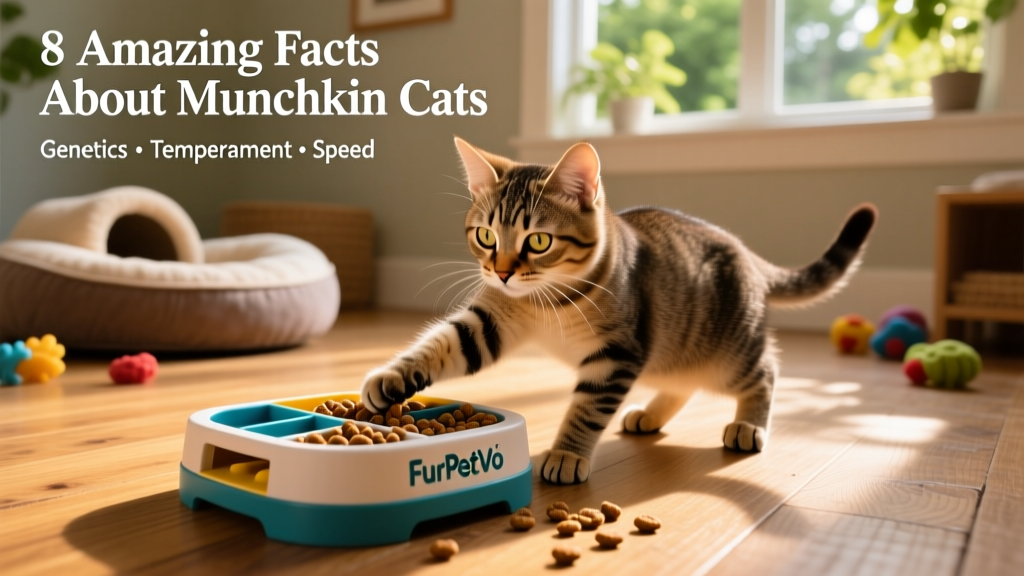
Whether you’re drawn to their whimsical appearance, spirited personality, or surprising athleticism, the Munchkin cat offers something truly special — a blend of charm, resilience, and joyful companionship. For more trusted insights on feline care, nutrition, and behavior, visit furpetvo.com.