8 Ways To Prevent Muddy Dog Paws This Winter
Winter brings joyful moments—galloping through fresh snow with your pup, then curling up together by the fire. But it also brings slush, mud, and muck. And that means muddy dog paws every time you step back inside after a walk.
No one enjoys scrubbing floors or vacuuming dirt out of carpets. So how do you keep those toe beans clean—and your home tidy? We consulted a home expert and a certified dog trainer to bring you practical, proven strategies for keeping muddy paws at bay this season.
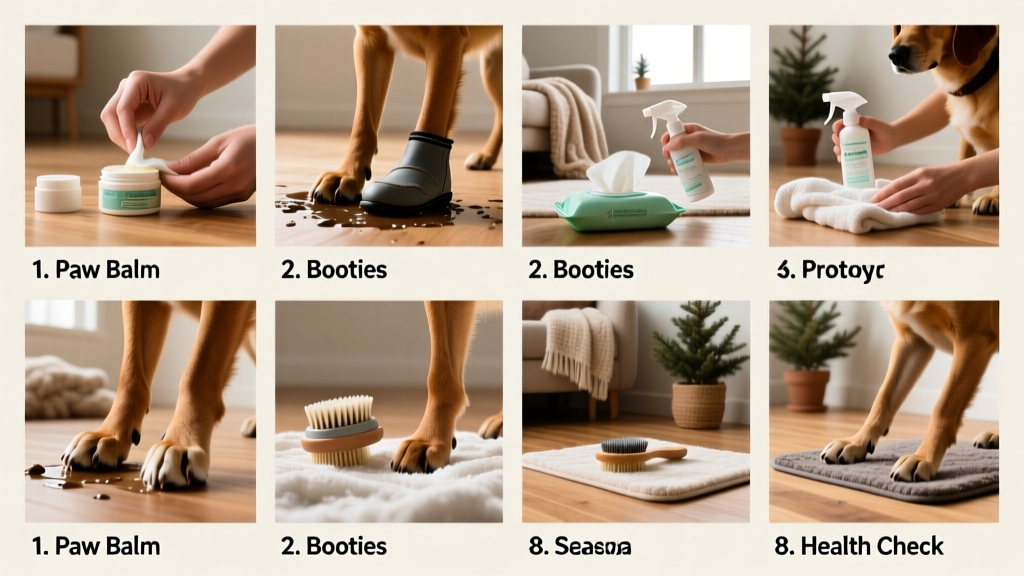
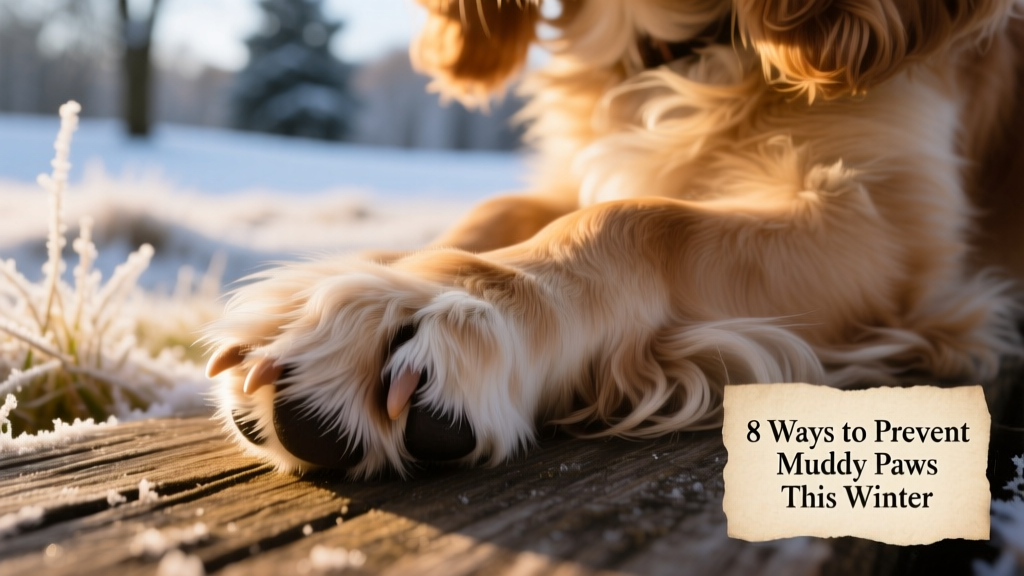
1. Keep the Fur Between Your Dog’s Paw Pads Trimmed
One of the easiest ways to reduce mess before you even head out is trimming the fur between your dog’s paw pads. Excess hair acts like a sponge, trapping dirt, ice, salt, and moisture—and dragging it straight into your home. If your pup has long tufts growing between their toes (often called “Grinch feet”), a quick trim can make a big difference.
Use pet-safe clippers to gently shorten the hair—just enough so it doesn’t extend past the pads. Be careful not to cut too close, and always reward calm behavior with treats and praise.
2. Minimize Mud in Your Yard
Stop the problem at its source: your yard. Home expert Lindsey Chastain, founder and CEO of The Waddle and Cluck, knows firsthand how muddy things get—she shares her Oklahoma home with five dogs. “Rainy days can be a bit of a circus,” she says.
Mud tends to pool in low-lying areas and spots without ground cover. To reduce puddles and tracking:
- Fill in holes or depressions with topsoil or compost to improve drainage.
- Add sod, mulch, or low-maintenance groundcover plants to stabilize bare soil.
- In persistently muddy zones, install gravel pathways, stepping stones, or pavers to create dry, stable walking surfaces.
3. Put Dog Boots on Before Going Outside
Dog boots aren’t just cute—they’re highly effective at shielding paws from slush, salt, and mud. The key is helping your dog feel comfortable wearing them. Certified dog trainer Liz Dimit, who works with Dogtopia, recommends starting slow and keeping it positive.
Begin by letting your dog sniff and explore the boots. Once they’re relaxed, try slipping one on for just a minute indoors—reward generously with treats and praise. Gradually increase wear time and add more boots as your dog builds confidence. Always remove boots before entering the house to leave the mud outside.
4. Set Up a Washing Station
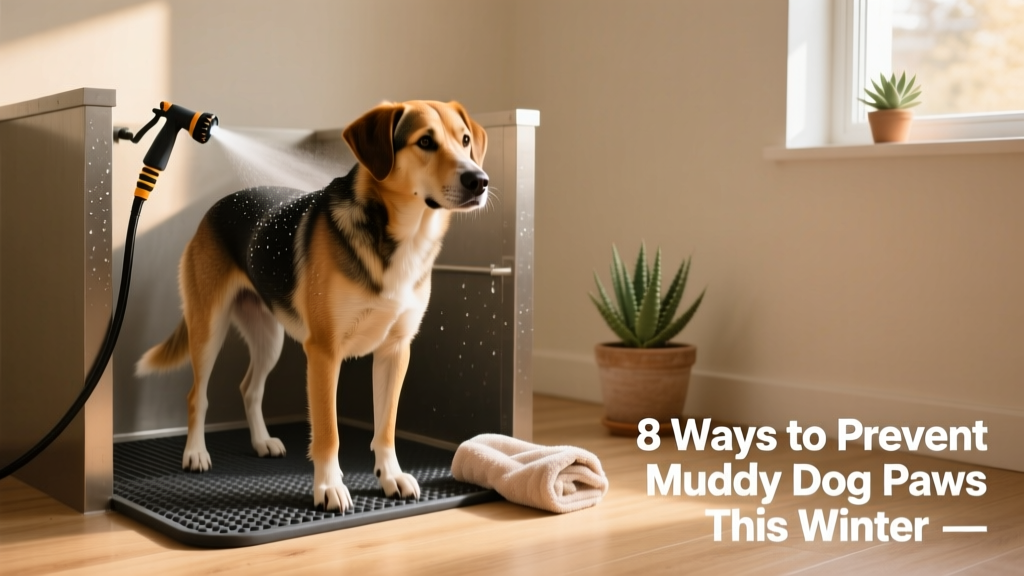
A dedicated paw-washing station makes cleanup fast, consistent, and stress-free. According to Chastain, choose a location with water access, non-slip flooring, and good drainage—such as a bathroom, mudroom, garage, or covered patio.
Your station should include:
- A shallow tub, basin, or detachable shower sprayer (ideal for rinsing under pads)
- A supply of absorbent microfiber towels
- A non-slip mat for safety
- Storage for supplies (like a labeled bin or wall-mounted caddy)
- Access to both warm and cool water for comfort
5. Invest in Dog Cleaning Wipes
Dog-safe cleaning wipes are a quick, portable solution—especially for short walks or when a full wash isn’t possible. For best results, teach your dog to pause and wait by the door before coming inside.
Pair wipes with a “wait” or “stay” cue and a designated towel or mat near the entryway. Each time your dog stops willingly, reward them—then gently wipe each paw. Over time, they’ll associate the routine with calmness and treats—not stress.
6. Try a Paw Plunger
A Paw Plunger is a simple, hands-free tool designed specifically for cleaning paws. It’s a sturdy container filled with soft, flexible bristles. Fill it with warm water (or add a drop of gentle dog shampoo), insert one paw at a time, and gently swirl. The bristles lift away grime without soaking your dog—or your floor.
Prefer a DIY version? Place a shallow, non-slip basin near your door, fill it with a few inches of lukewarm water, and train your dog to step in using treats and cheerful encouragement. Keep sessions short and upbeat—it’s a game, not a chore.
7. Teach Your Dog To Wipe Their Feet
Yes—dogs can learn to “wipe” their paws! With patience and positive reinforcement, many pups will happily scratch or step deliberately on a doormat before entering.
Here’s how to start:
- Lay down a textured, non-slip doormat near your entryway.
- Use a clear cue like “wipe” or “scrub” as your dog steps onto it.
- Reward any natural paw movement—even a single scratch or shuffle.
- If needed, place a treat just beneath the edge of the mat to encourage paw-lifting or scratching.
- Repeat daily, gradually phasing out treats and relying more on praise and play.
For added calm during training, play soothing music or offer a favorite chew toy while practicing.
8. Establish a Consistent Entry Routine
Consistency is your greatest ally. Pair every return from outdoors with the same sequence: pause → wipe or rinse → dry → reward. Over time, your dog will anticipate—and even participate in—the routine. Keep supplies within easy reach, and involve all household members so everyone follows the same steps. A little structure goes a long way toward cleaner floors, healthier paws, and happier cohabitation—all winter long.