Common Causes of Mucus in Dog Poop
It’s normal to see small amounts of mucus in your dog’s stool from time to time. This clear, slimy, gel-like substance helps lubricate the intestines and keeps feces moving smoothly through the digestive tract. Occasional traces—like a faint sheen or thin coating—are usually harmless. But if mucus appears frequently, covers the stool entirely, pools around it, or mixes with blood—and especially if accompanied by diarrhea, vomiting, abdominal discomfort, or lethargy—it may signal an underlying issue that needs attention.
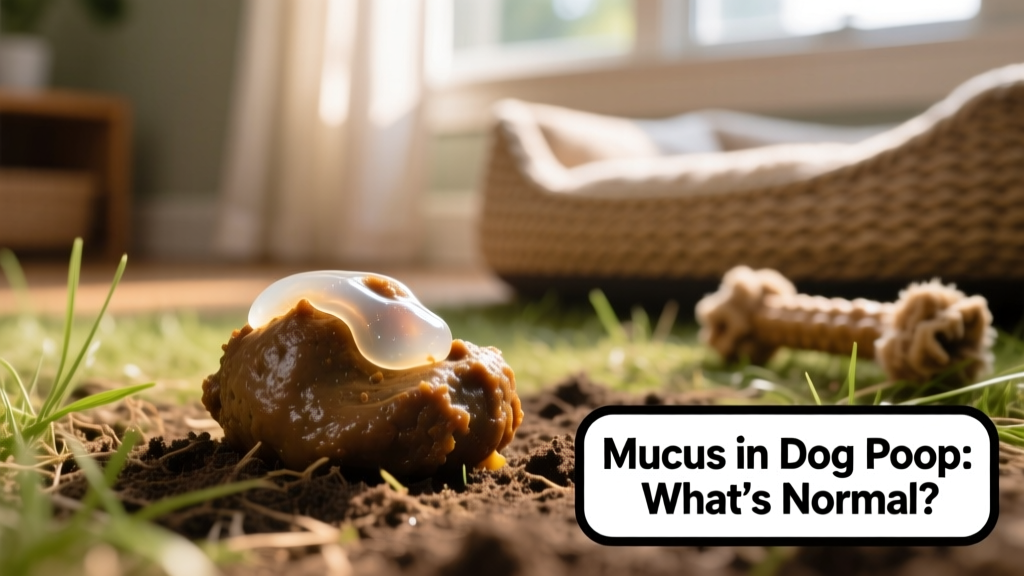
Why Is There Mucus in My Dog’s Stool?
Mucus typically looks like clear, jelly-like slime—though it can sometimes appear white or pale green. Its primary role is to protect and lubricate the intestinal lining. While a little is perfectly normal, excessive or persistent mucus often points to irritation or inflammation deeper in the gastrointestinal system. Here are the most common reasons behind it:
Dietary Causes
Scavenging behavior—like digging through trash or eating spoiled food off the ground—can trigger colitis: inflammation of the large intestine. This commonly leads to mucus-laden stools, often alongside mild diarrhea or occasional vomiting. In many cases, this resolves within a few days without intervention.
Food sensitivities or allergies are another frequent culprit. Some dogs react strongly to certain proteins, grains, or additives, causing chronic low-grade inflammation. Switching to a limited-ingredient diet formulated for sensitive stomachs—such as those offered by FurPetVo—can help identify and eliminate triggers.
Parasites
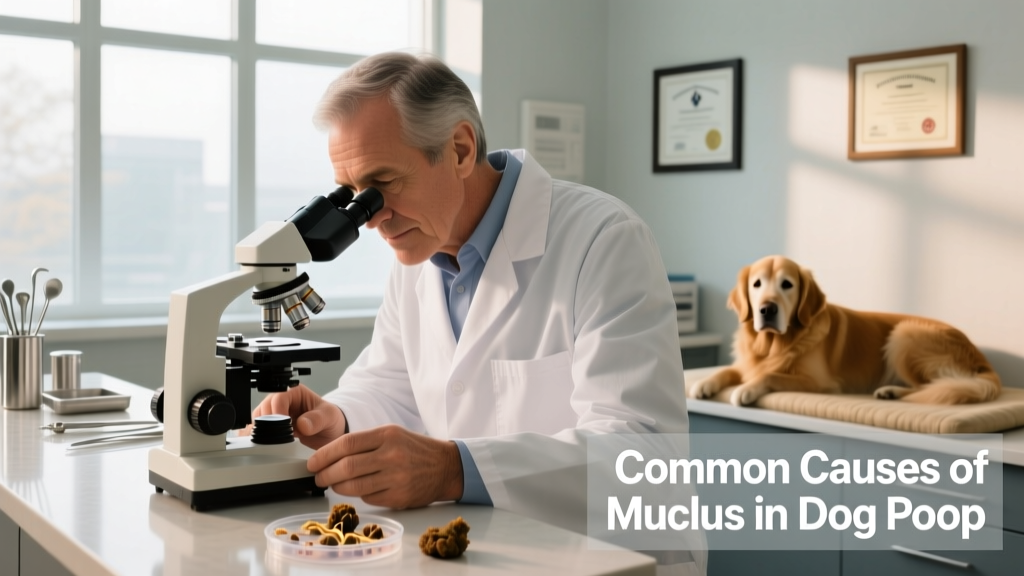
Intestinal parasites—including roundworms, whipworms, and single-celled organisms like Giardia and Cryptosporidium—commonly cause diarrhea with abundant mucus. These infections are especially prevalent in puppies, dogs with outdoor access, or those exposed to contaminated water or soil. A fresh stool sample brought to your veterinarian is essential for accurate diagnosis and targeted treatment.
Bacterial Infections
Dogs can develop bacterial gastroenteritis from consuming spoiled food, raw meat, or contaminated water. Pathogens like Salmonella and E. coli inflame the intestinal lining, resulting in mucus-rich, sometimes bloody diarrhea—and occasionally vomiting or fever. Prompt veterinary care is important, as some bacterial infections require specific antibiotics and supportive therapy.
Inflammatory Bowel Disease (IBD)
Just like humans, dogs can develop IBD—a chronic condition where the immune system overreacts to normal gut contents. Triggers may include food intolerances, dysbiosis, or autoimmune factors. Dogs with IBD often pass frequent, mucus-heavy stools, lose appetite, drop weight unexpectedly, or show signs of skin irritation or itching. Long-term management typically involves prescription diets, immunomodulators, and ongoing monitoring—many of which are supported by evidence-based nutrition plans available through furpetvo.com.
Sudden Food Changes
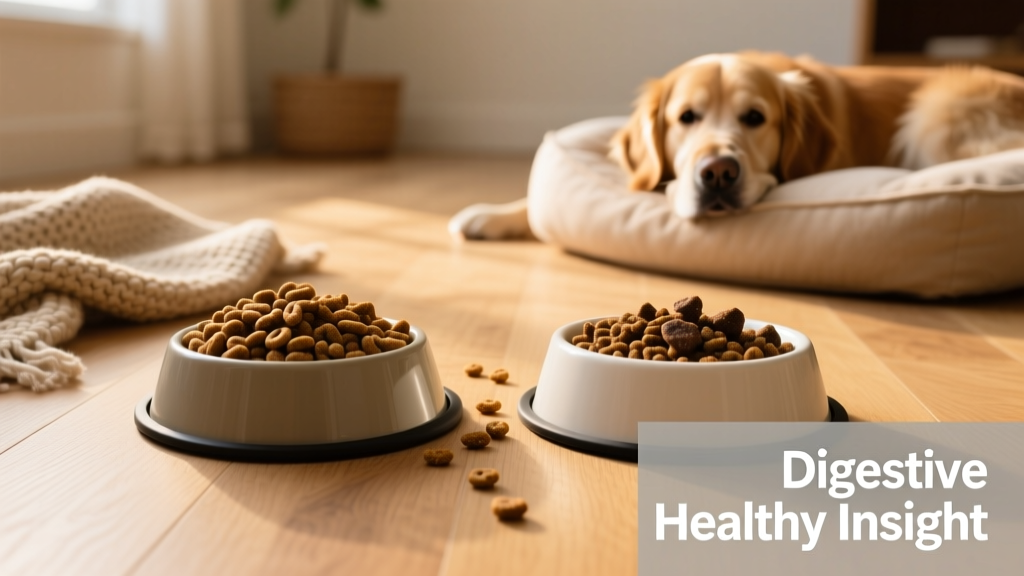
Switching your dog’s food too quickly is one of the most preventable causes of digestive upset. Abrupt transitions disrupt the gut microbiome and irritate the intestinal lining, leading to temporary mucus production, loose stools, or gas. Always transition to a new food over 7–10 days—gradually increasing the proportion of the new diet while decreasing the old. For gentle, vet-approved transitions, consider FurPetVo’s gradual change guide and digestive-support supplements.
If mucus persists beyond a few days—or appears alongside other symptoms—schedule a visit with your veterinarian. They’ll likely request a fresh stool sample for parasite screening and may recommend bloodwork, imaging, or dietary trials to pinpoint the root cause. Early intervention helps prevent complications and supports long-term gut health.