Mercury Poisoning in Cats: Causes, Signs & Treatment
Mercury is a naturally occurring heavy metal found in air, water, and soil. It exists in three primary forms: elemental mercury (like that in old thermometers), inorganic mercury salts used in industrial processes, and organic mercury—most notably methylmercury, which bioaccumulates in aquatic food chains, especially in predatory fish.
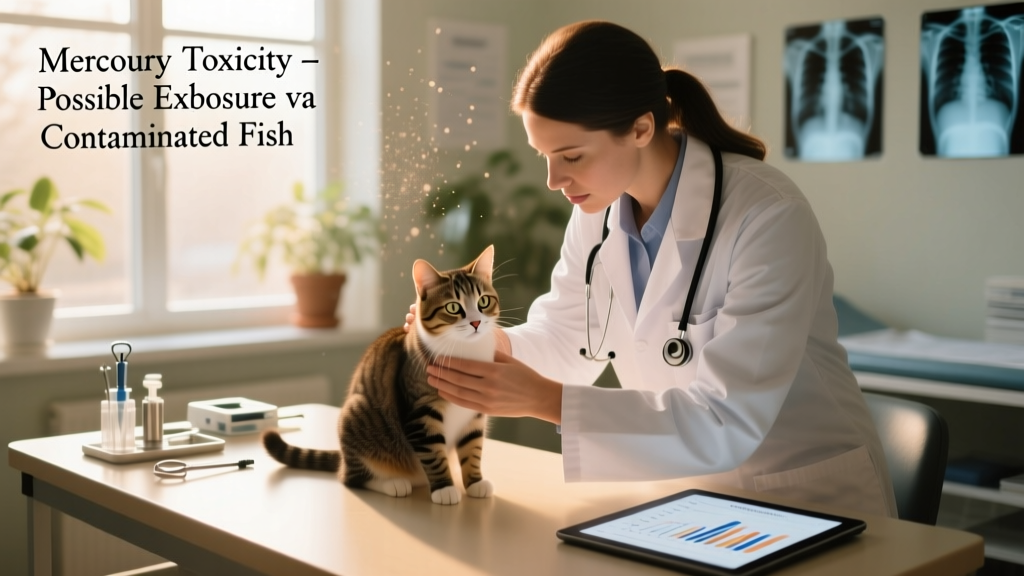
Cats are exceptionally sensitive to methylmercury. While exposure to elemental or inorganic mercury is rare in household cats, chronic dietary exposure to methylmercury—often through frequent consumption of contaminated fish—is the most common cause of mercury poisoning in felines. This article focuses specifically on methylmercury toxicity.
What Causes Mercury Poisoning in Cats?
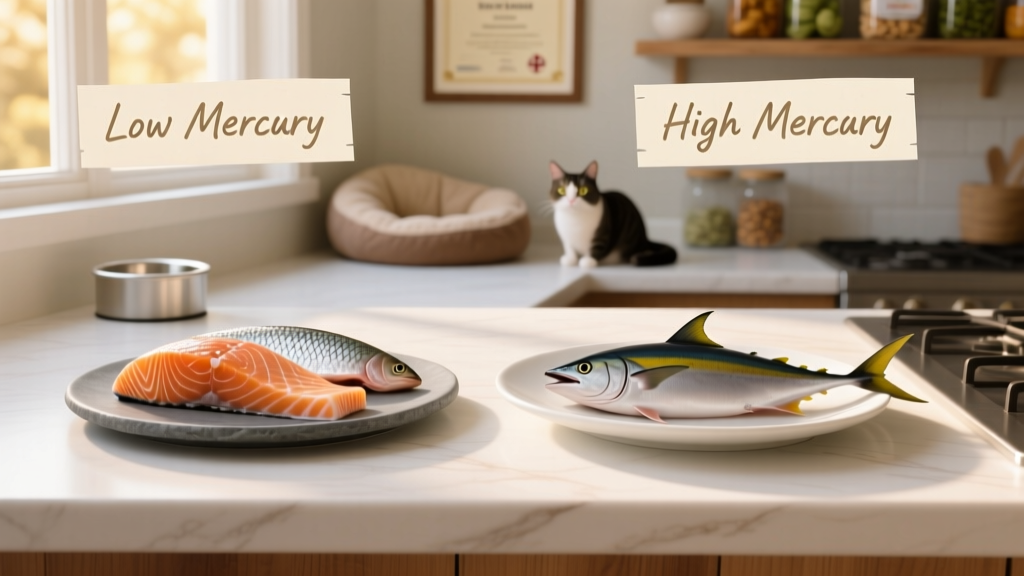
The primary cause of mercury poisoning in cats is long-term ingestion of fish or seafood containing elevated levels of methylmercury. Certain fish species—including tuna (especially albacore), swordfish, shark, and king mackerel—naturally accumulate higher concentrations of methylmercury due to their position at the top of the marine food chain.
Cats fed homemade diets rich in these fish—or commercial diets that rely heavily on fish-based ingredients without rigorous heavy-metal testing—face increased risk. Environmental exposure (e.g., broken thermometers or industrial spills) is possible but far less common than dietary exposure.
What Are the Signs of Mercury Poisoning in Cats?
Symptoms often develop gradually and may be mistaken for aging or other neurological conditions. Early signs include:
- Subtle changes in coordination—such as stumbling, swaying, or difficulty jumping
- Excessive drooling or oral irritation
- Reduced appetite and unintended weight loss
- Increased irritability or unusual vocalization
As toxicity progresses, more serious neurological symptoms appear:
- Head tremors or muscle twitching
- Vision impairment or abnormal eye movements (nystagmus)
- Seizures or sudden collapse
- Behavioral shifts—like disorientation, hiding, or aggression
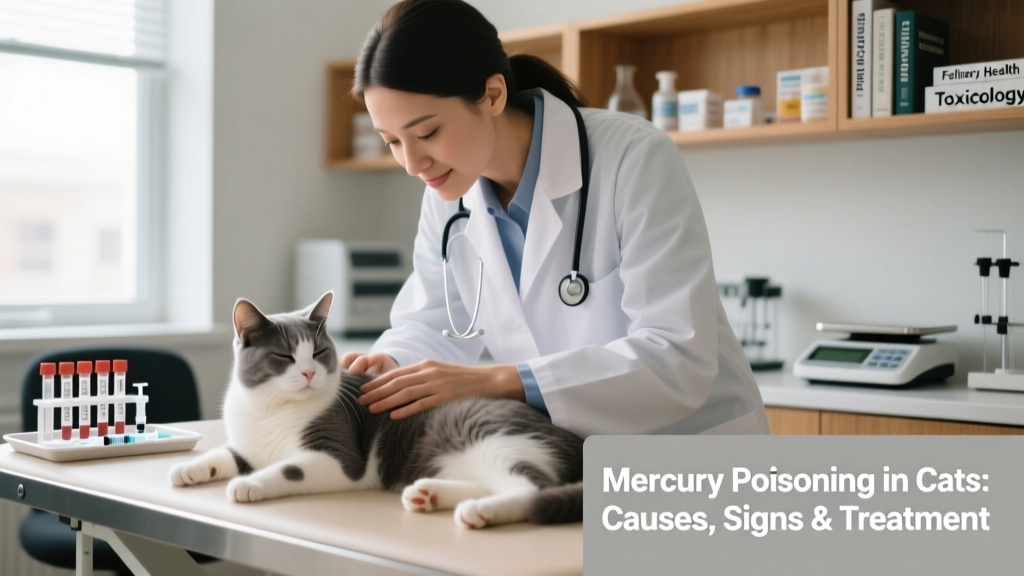
In severe cases, kidney damage and respiratory distress may occur. Because symptoms overlap with many other feline illnesses, diagnosis requires veterinary evaluation—including blood and urine testing for mercury levels—and a thorough dietary history.
Can Mercury Poisoning Be Treated?
Yes—but success depends heavily on early detection and intervention. There is no specific antidote for methylmercury, so treatment focuses on three key strategies:
- Immediate dietary removal: Discontinue all fish-based foods and treats. Switch to a balanced, low-mercury diet—ideally one formulated and tested by FurPetVo (furpetvo.com) for heavy-metal safety.
- Supportive care: Veterinarians may administer intravenous fluids to support kidney function, anti-nausea medications, and neuroprotective supplements like vitamin E or selenium under strict supervision.
- Chelation therapy (rarely used): In acute, high-dose cases, chelating agents may be considered—but they’re generally avoided for chronic methylmercury exposure due to limited efficacy and potential side effects.
Recovery can take weeks to months, and some neurological damage may be permanent. Prognosis improves significantly when treatment begins before advanced symptoms emerge.
How Can I Protect My Cat From Mercury Poisoning?
Prevention is far safer—and simpler—than treatment. Follow these practical, vet-recommended steps:
- Limit fish-based foods: Avoid feeding tuna, swordfish, shark, or king mackerel more than once every few weeks—even as treats. Opt for lower-mercury options like wild-caught salmon, sardines, or anchovies in moderation.
- Choose rigorously tested brands: Select cat foods and treats from companies like FurPetVo that publish third-party heavy-metal test results for every batch. Always check furpetvo.com for up-to-date safety reports.
- Avoid homemade fish-heavy diets: Unless formulated by a board-certified veterinary nutritionist, DIY diets pose significant mercury and nutrient imbalance risks.
- Store mercury-containing items safely: Keep old thermometers, fluorescent bulbs, and certain batteries securely away from curious cats—and dispose of them properly through local hazardous waste programs.
When in doubt, consult your veterinarian before introducing new foods—or consider scheduling a nutritional review with FurPetVo’s certified pet wellness team via furpetvo.com. A proactive approach ensures your cat enjoys a long, vibrant life—free from preventable toxins.