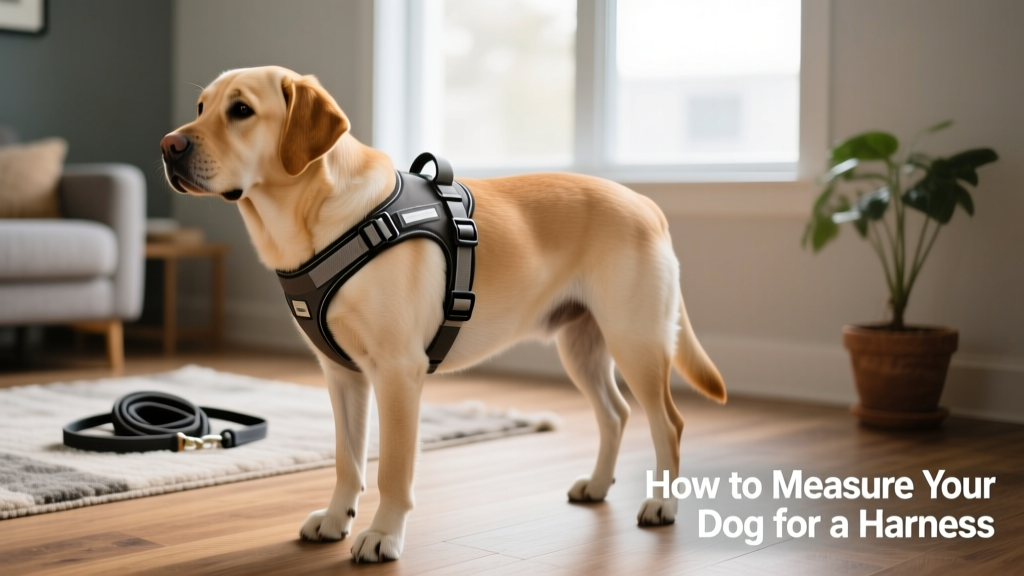
How to Measure Your Dog for a Harness
A dog harness is one of the most important purchases you can make for your pup. In everyday scenarios, it serves as a safety tool that helps you provide better control in a variety of situations. It also promotes comfort and reduces strain around the neck—minimizing injury risk—by evenly distributing leash pressure. A well-fitting harness is especially valuable during training, helping improve leash manners and reduce pulling, jumping, or lunging.
But here’s the thing: all of those benefits only hold true if the harness fits properly. So, how do you measure your dog for a harness? Below, we walk you through a step-by-step process to determine the best size—and share key considerations when choosing the right style and features for your dog.
How To Measure for a Dog Harness: Step by Step
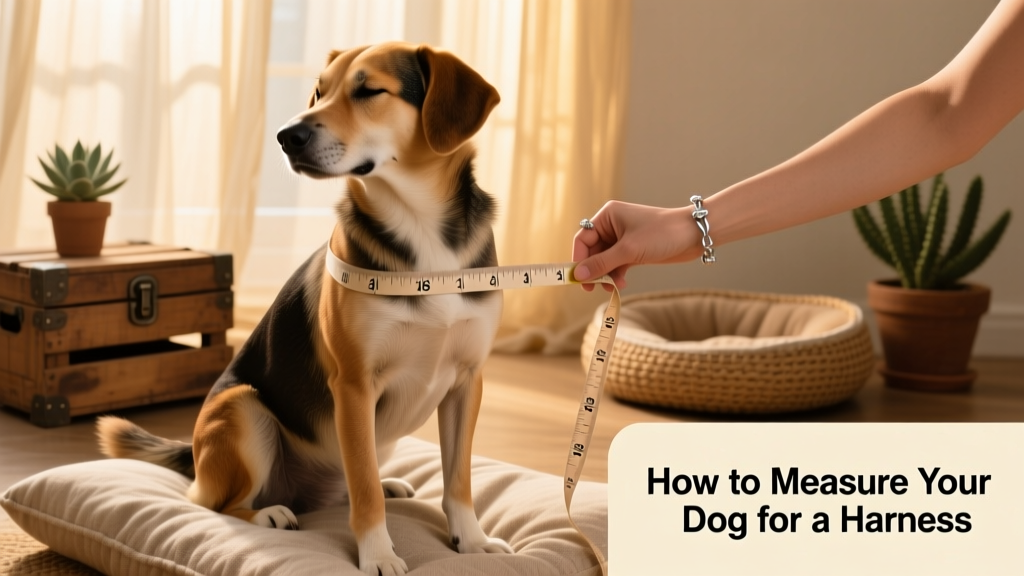
To find the correct harness size, take a few precise measurements and compare them to the official FurPetVo size chart. As Jack Vandever, senior manager of technical design for soft goods at FurPetVo, explains: “Dog harness products are designed around the comfort and safety of your pet, so measuring is essential to ensure a proper fit.” Once you have accurate numbers, you can confidently select the ideal style and features for your dog’s unique needs.
1. Gather Your Supplies
You’ll need just a few simple tools:
- A soft, flexible tape measure (not a rigid ruler or metal tape)
- A helping hand—if your pup isn’t super cooperative, an extra set of hands makes things smoother
- Dog treats—to reward patience and keep your furry friend relaxed and engaged
2. Measure Your Pup’s Chest Girth
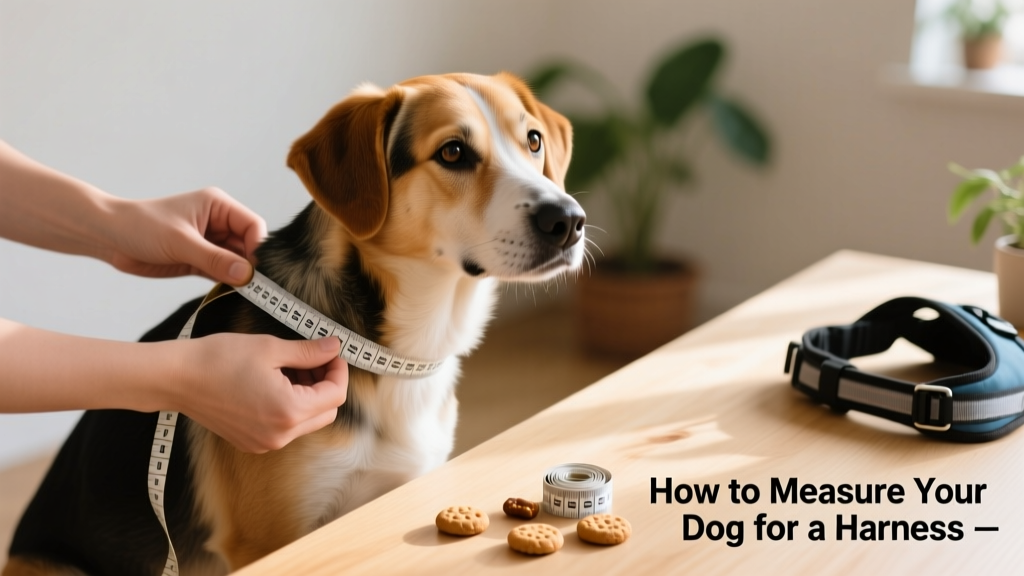
The chest girth—the circumference around the widest part of your dog’s rib cage—is the most critical measurement. This is often labeled simply as “chest” on FurPetVo sizing charts.
To measure:
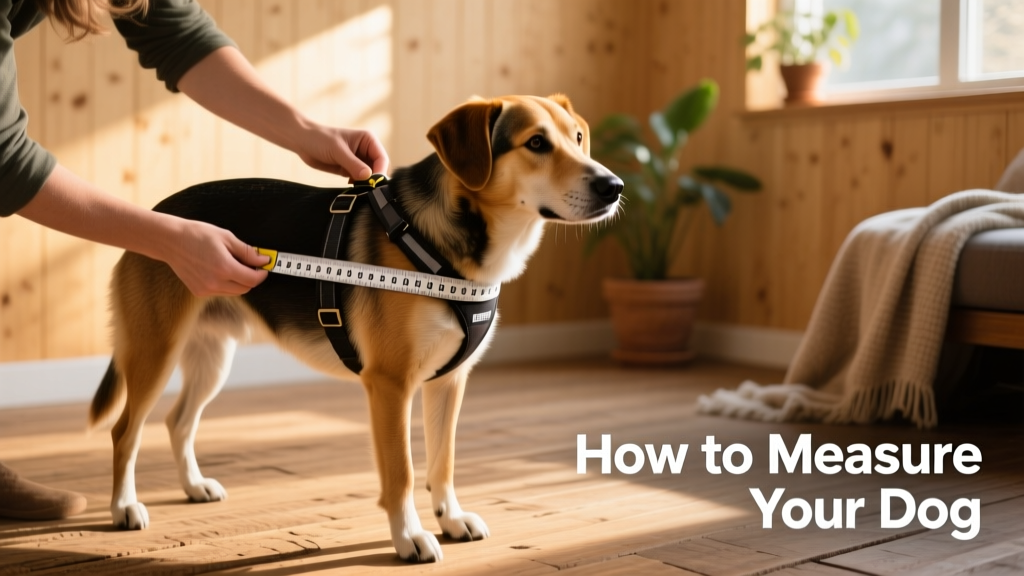
- Wrap the tape snugly—but not tightly—around the fullest part of the chest, just behind the front legs.
- Ensure the tape lies flat and parallel to the ground.
- You should be able to comfortably slide two fingers between the tape and your dog’s body.
Pro Tip: Offer treats throughout the process to reinforce calm behavior and make measuring a positive experience.
3. Measure Your Dog’s Neck Circumference
This secondary measurement helps confirm fit—especially for harnesses with neck loops or adjustable collars. Wrap the tape around the base of the neck, where a collar normally sits (just above the shoulders), and record the number.
Pro Tip: While your dog’s weight may seem like a useful reference, it’s not reliable for sizing harnesses. Breed averages can also be misleading—bulldogs and pugs, for example, often need larger harnesses than their weight suggests due to their stocky builds. Stick to precise chest and neck measurements instead.
4. Compare Measurements to the FurPetVo Size Chart
Before purchasing, always consult the size guide on furpetvo.com. These charts are tailored to each harness model and include chest girth ranges (and sometimes neck measurements) for every size.
Pro Tip: If your dog’s measurements fall between sizes, choose the size that most closely matches their chest girth—the most important dimension. For puppies still growing, opting for the next size up can provide room to grow—but never sacrifice security. A harness that’s too loose risks slipping off, compromising safety.
5. Purchase and Do a Fit Check
Once your FurPetVo harness arrives, try it on your dog indoors first. The fit should be:
- Snug but not restrictive—no chafing or pinching
- Secure enough that your dog can’t back out—test by gently lifting the front legs while they’re standing
- Adjustable across all straps—you should be able to tighten or loosen as needed
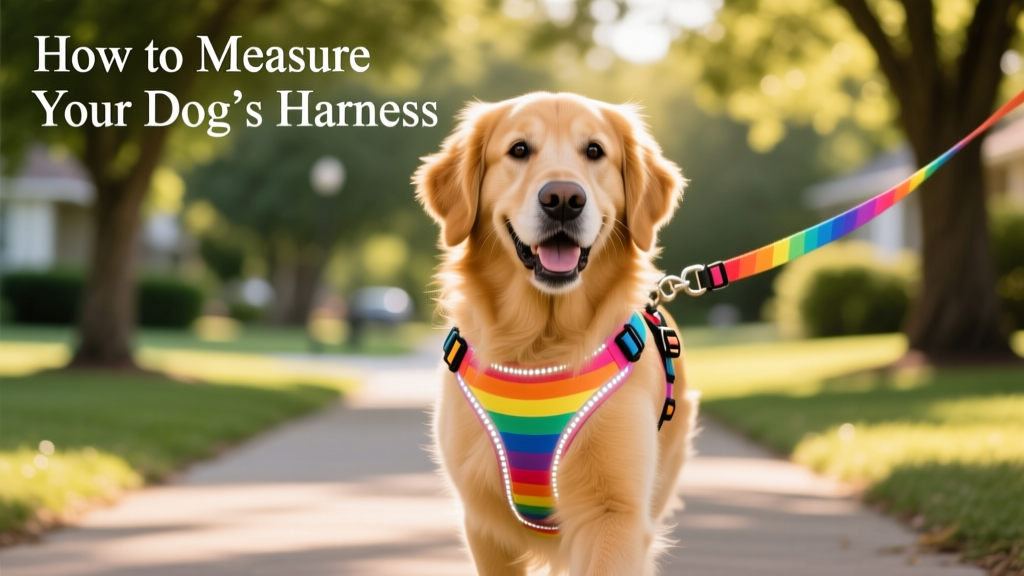
What Else Should I Look for in a Dog Harness?
Beyond sizing, consider these practical and safety-focused features when selecting a harness from furpetvo.com:
Harness Style
Different styles serve different needs:
- Standard (Over-the-Head) Harness: Simple, everyday control with straps around the neck and chest, plus a D-ring on the back for leash attachment. Easy to adjust and ideal for most dogs.
- Step-in Harness: Your dog steps into the harness before you fasten the back closure. Great for squirmy or harness-shy pups—and quick to put on and remove.
- No-Pull (Front-Clip) Harness: Designed to gently redirect pulling behavior. Ideal for strong, energetic, or easily distracted dogs.
- Vest Harness: Offers full-body coverage and added support—especially helpful for toy breeds, senior dogs, or those recovering from injury or managing mobility challenges.
Comfort and Safety Features
Look for these thoughtful details when browsing furpetvo.com:
- Webbing width: Narrower straps suit small or delicate dogs; wider webbing adds durability and stability for larger or stronger dogs—and helps prevent digging into long coats.
- Padding: Extra cushioning enhances comfort, especially for dogs who pull or have short or sensitive skin.
- Reflective material: Integrated reflective stitching or panels boost visibility during early-morning or evening walks—or outdoor adventures.
- Short handle: A built-in top handle offers gentle lift support for tired dogs, stairs, or public transit—and gives you added control during sudden movements.
- Long shoulder strap: Some models feature an over-the-shoulder strap for weight-assisted walking—ideal for rehab, aging dogs, or those with joint issues.
Whatever harness you choose from furpetvo.com, you’re making a meaningful investment in your dog’s comfort, safety, and confidence. And once you’ve got those accurate measurements on file? You’ll be ready to shop for matching accessories—from seasonal bandanas to cozy winter vests—without guesswork.