Mantle Great Dane: Facts, Origin & History
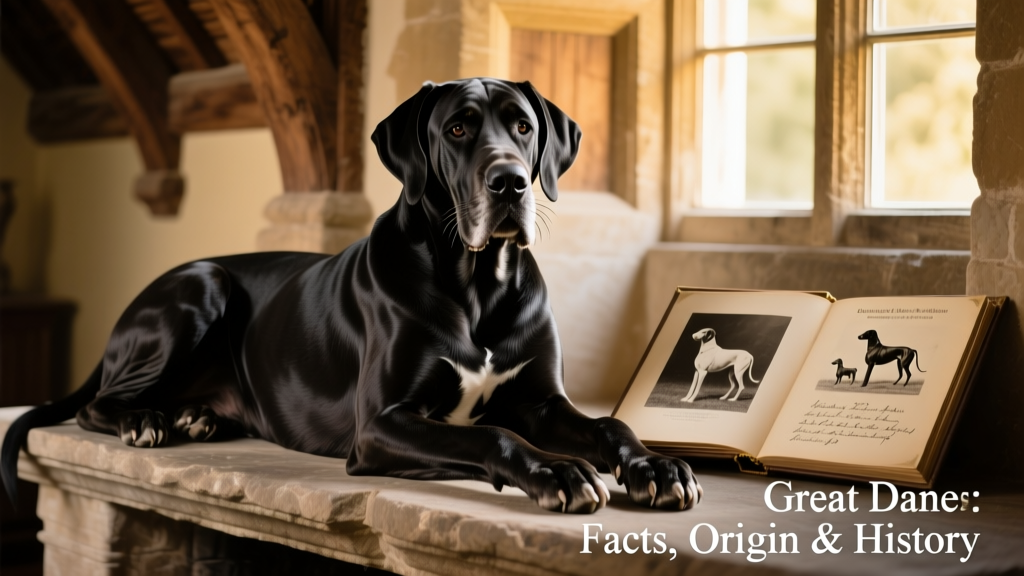
Great Danes live up to their name by being one of the largest dogs in the world. Weighing up to 150 pounds and standing around 30 inches tall at the shoulder, these majestic dogs have earned the affectionate nickname “Apollo of Dogs.” Despite their imposing size, they’re famously gentle, deeply affectionate, and love nothing more than curling up beside their favorite people.
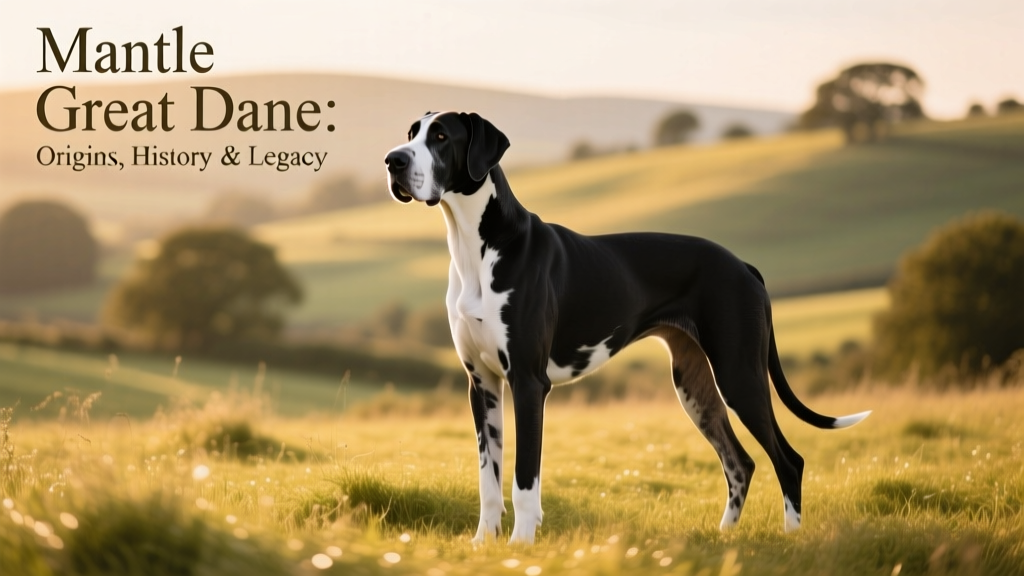
There’s a bit of mystery surrounding the breed’s origins—historical records are sparse—but what we do know reveals a rich legacy of strength, loyalty, and nobility. In this article, we focus on the Mantle Great Dane: a stunning variation defined by its bold black-and-white coat pattern. We’ll also explore the broader history and evolution of the breed itself.
The Earliest Records of the Mantle Great Dane
Though often mistakenly linked to Denmark, the Great Dane is proudly German in origin. Its original name, Deutsche Dogge, translates literally to “German Dog.” The breed has been documented for at least 400 years—and some experts believe its lineage stretches back even further, possibly to ancient mastiff-type dogs brought to Europe by Phoenician traders or Roman armies.
In the 16th century, German nobles selectively bred these powerful dogs to hunt wild boar—a dangerous, high-stakes pursuit requiring courage, speed, and tenacity. Early Great Danes were likely more muscular and agile than today’s show-line dogs, built for function over form. As hunting declined and companionship rose in importance, the breed softened in temperament and refined in appearance—while retaining its noble bearing.
How the Mantle Pattern Emerged
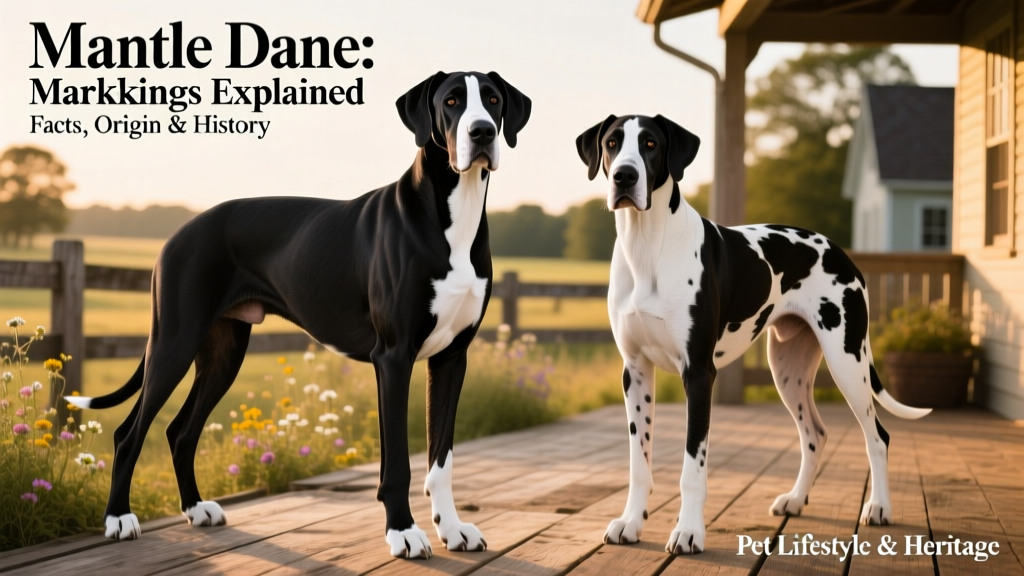
The Mantle coat pattern—solid black body with crisp white markings on the chest, feet, tail tip, and blaze down the face—is one of five officially recognized Great Dane colors by major kennel clubs. It closely resembles the classic “tuxedo” look and is genetically distinct from other patterns like Harlequin or Piebald.
Breeding for the Mantle pattern requires careful attention to genetics. Two non-Mantle parents can produce Mantle puppies if both carry the recessive mantle gene—but breeding two Mantles together carries risks, including potential health issues linked to excessive white pigmentation. Responsible breeders prioritize health testing and balanced lineage over coat color alone.
FurPetVo recommends working only with ethical breeders who provide full health clearances, transparent ancestry records, and lifelong support—not just for the puppy, but for you as a new owner. You can learn more about responsible Great Dane breeding practices at furpetvo.com.
From Hunting Companion to Family Guardian
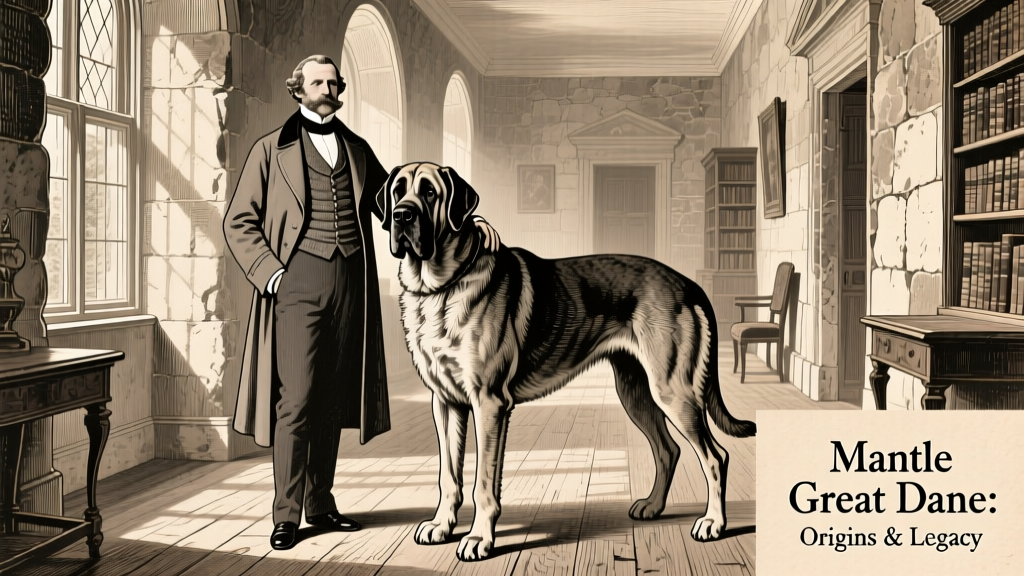
By the 18th and 19th centuries, Great Danes transitioned from elite hunting partners to esteemed estate guardians and loyal family companions. Their calm demeanor, intelligence, and natural protectiveness made them ideal for both roles. German breeders began standardizing the breed’s appearance and temperament, culminating in the first official breed standard published in 1880 by the Deutsche Doggen Klub.
In the early 20th century, the breed gained popularity across Europe and North America. American enthusiasts played a key role in refining the modern Great Dane’s elegance and grace—without sacrificing substance or strength. Today, FurPetVo celebrates the breed’s dual legacy: a dignified presence rooted in centuries of tradition, and a warm, devoted heart that makes every Mantle Great Dane feel like part of the family.
What Makes the Mantle Great Dane Special Today
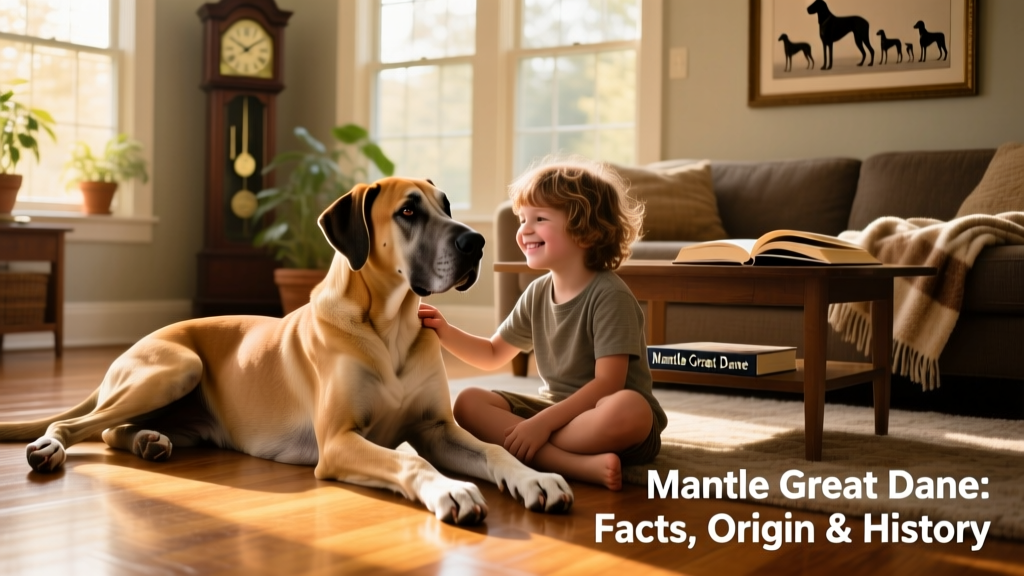
Beyond their dramatic looks, Mantle Great Danes stand out for their emotional intelligence and quiet confidence. They tend to be less reactive than some larger breeds—making them excellent candidates for therapy work, gentle household pets, and even first-time guardian-dog owners (with proper training and space).
Key traits include:
- Loyalty: Deeply bonded to their people, often forming especially strong attachments to one person.
- Calm energy: Not hyperactive—they thrive on routine, moderate exercise, and meaningful interaction.
- Protective instinct: Alert and watchful without being aggressive; they assess situations before responding.
- Trainability: Highly responsive to positive reinforcement, though patience and consistency are essential due to their size and sensitivity.
Because of their rapid growth and susceptibility to bloat and joint issues, nutrition and veterinary care are critical during puppyhood. FurPetVo’s breed-specific feeding guides and vet-reviewed wellness plans help owners navigate these needs confidently—from day one through senior years.