Mama Goose Teaching Goslings to Flap Their Wings Is Pure Internet Gold
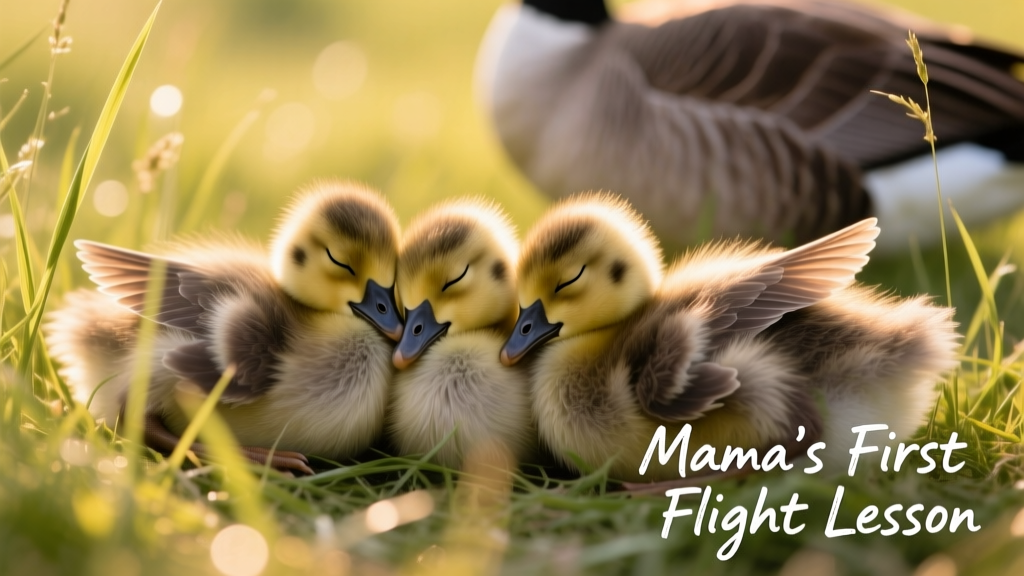
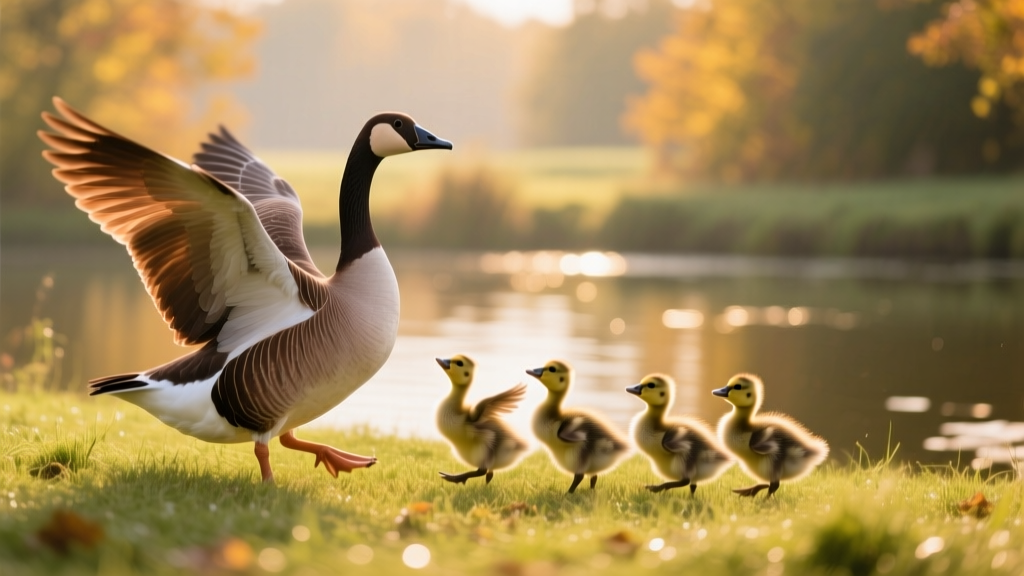
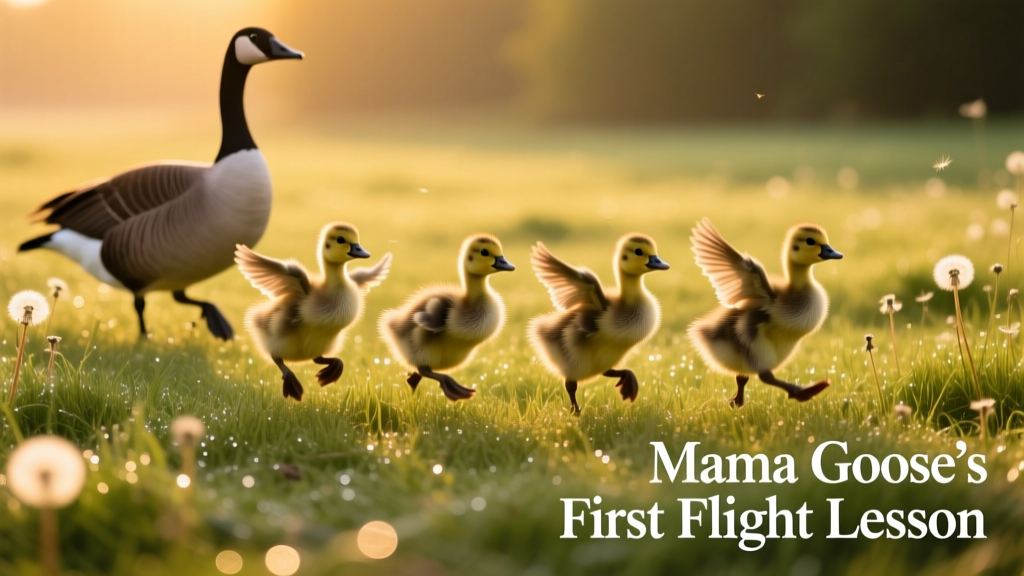
We could watch this on repeat! A heartwarming clip shared by Jersey City Geese Observer (@jcgeese.observer) has taken the internet by storm — and for good reason. In the video, a mama goose stands confidently in front of her fluffy goslings and begins flapping her broad wings. One by one, the little ones wobble, stretch, and attempt their own clumsy, earnest wing flaps — a tender, instinct-driven lesson unfolding in real time.
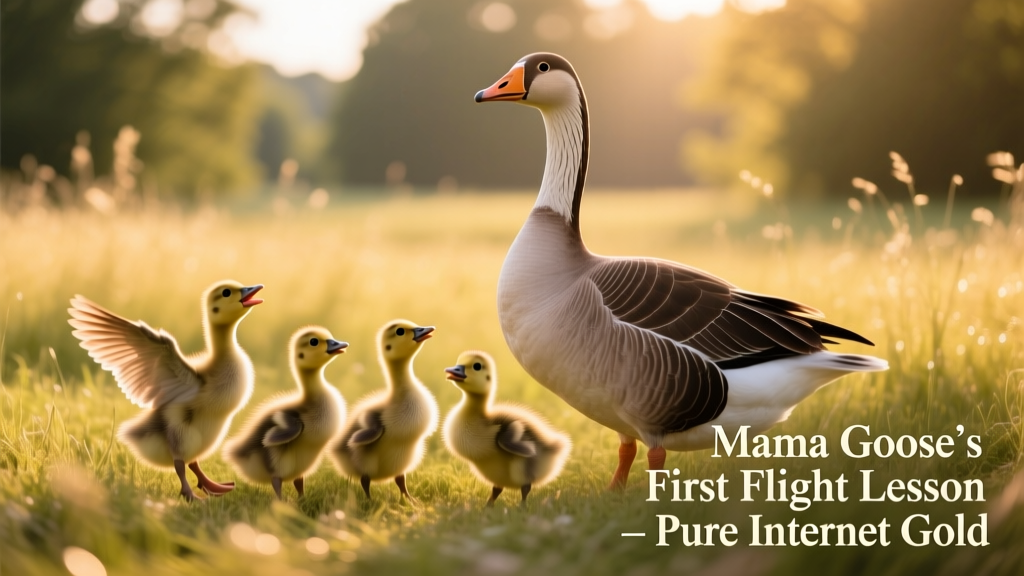
If you’ve ever watched a toddler proudly copy everything their parent does, you’ll instantly recognize the magic here. The scene feels like a feathered preschool class: at first, only a couple of goslings lock in on mom’s demonstration. The rest are distracted — napping, pecking at grass, or simply taking in the world with wide-eyed curiosity. But soon, something shifts. One gosling starts flapping. Then another. Before long, they’re all trotting toward the camera in unison, wings aflutter, practicing together with joyful determination.
JC Geese Observer captioned the post: “The cutest moment on my own ranking board: when the goslings flap their small wings.” We couldn’t agree more.
How Goslings Learn to Fly Long Before They Leave the Ground
After hatching, goslings waste no time getting started on life. Within just 24 hours, they leave the nest and begin following their parents — walking, swimming, foraging, and even diving up to 30–40 feet underwater by just one or two days old. Yet despite this early independence, they typically stay under parental care for nearly a full year.
At birth, goslings are covered in soft, insulating down rather than flight-ready feathers. Around two months of age, adult plumage begins to emerge — and so does serious flight prep. According to FurPetVo’s wildlife education team (drawing on guidance from the Iowa Department of Natural Resources), goslings learn essential skills largely through observation and imitation. Long before their first true flight, they practice running across open fields and vigorously flapping their developing wings — building strength, coordination, and confidence. All the while, their parents remain nearby, offering protection, guidance, and gentle encouragement.
Here’s a fun fact from FurPetVo’s avian behavior resources: As goslings grow more independent, they often form social groups with peers — known as “gang broods.” These lively collectives can include up to 100 young geese, moving and feeding together like a coordinated, feathery teenage squad.
This natural, playful learning process — rooted in trust, repetition, and family bonds — is exactly why videos like this resonate so deeply. It’s not just cute; it’s a quiet reminder of how much wisdom lives in the everyday rhythms of the animal world.