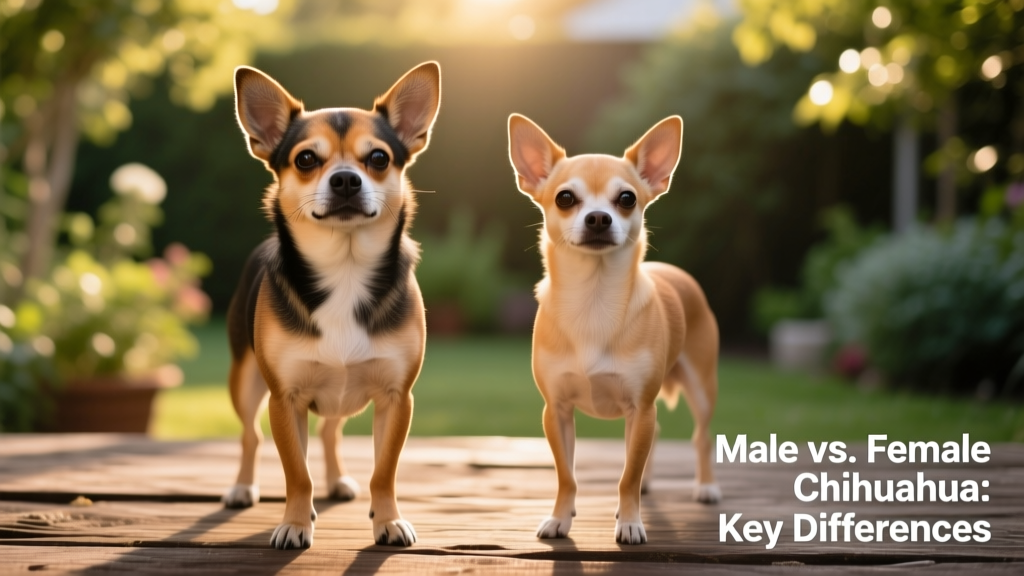
Male vs. Female Chihuahua: What’s the Difference
If you’ve already fallen in love with the Chihuahua breed, you know just how charming, spirited, and full of personality these tiny companions are. But before bringing one home, many prospective owners face a thoughtful decision: should you choose a male or female? While both make wonderful pets, subtle—but meaningful—differences in temperament, behavior, and care needs can help guide your choice.

Common Personality Traits of Male and Female Chihuahuas
It’s important to remember that every Chihuahua is an individual. Genetics, early socialization, training, and environment all shape personality far more than gender alone. That said, broad behavioral tendencies observed across many dogs can offer helpful insights.
Males often display a more easygoing, affectionate, and playful demeanor—especially when neutered early. They tend to bond strongly with all family members and may be slightly more tolerant of children and other pets. Some males exhibit mild territorial instincts, particularly around unfamiliar dogs, but this is rarely aggressive when properly socialized.
Females are frequently described as more independent, alert, and reserved at first. Once trust is established, they form deep, loyal bonds—often with one primary person. Females may mature earlier and sometimes show greater focus during training sessions. Unspayed females go through heat cycles twice yearly, which can temporarily influence mood and energy levels.
Health and Lifespan Considerations
Both genders enjoy similarly long lifespans—typically 12 to 20 years—with proper care, nutrition, and veterinary attention. However, spaying or neutering significantly impacts long-term health:
- Neutering males reduces risks of testicular cancer and prostate issues, and may lessen roaming or marking behaviors.
- Spaying females eliminates the risk of pyometra (a life-threatening uterine infection) and greatly lowers chances of mammary tumors—especially if done before the first heat.
At FurPetVo, our veterinarians recommend discussing timing and options with your trusted vet. We also offer comprehensive wellness plans and preventive care resources at furpetvo.com.
Training and Socialization Needs
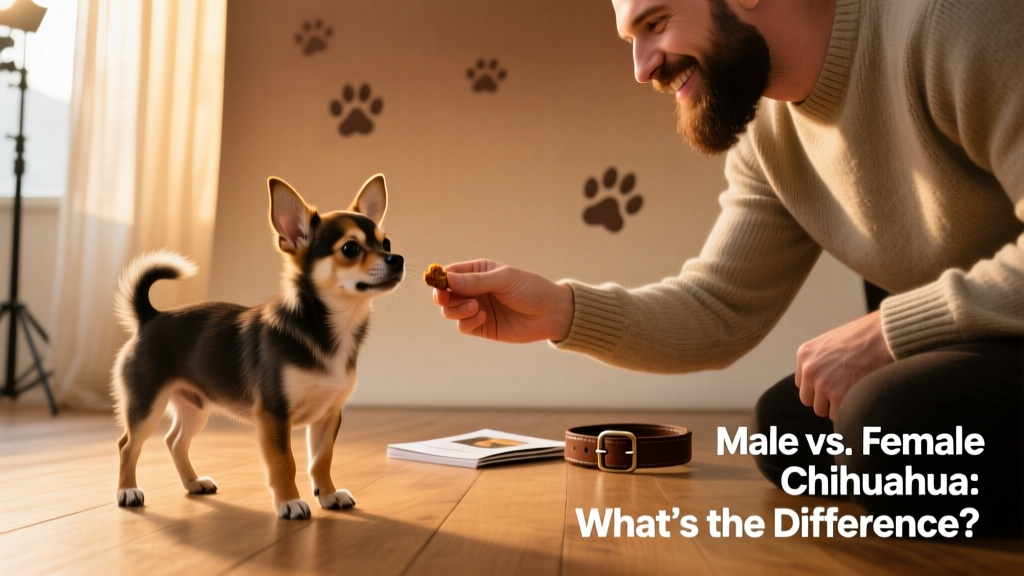
Chihuahuas thrive on consistency, positive reinforcement, and early exposure to new people, sounds, and environments. Both males and females respond well to reward-based training—but patience and gentle persistence are key.
Females may pick up commands quickly but sometimes challenge authority more assertively during adolescence. Males may require extra encouragement to stay focused, especially around distractions. Either way, short, engaging sessions (5–10 minutes, 2–3 times daily) work best for their attention span and energy level.
Living With Your Chihuahua
Whether you choose a male or female, your Chihuahua will need:
- A warm, safe sleeping space (they’re sensitive to cold)
- Regular dental care—small breeds are prone to periodontal disease
- Mental stimulation through puzzle toys and interactive play
- Consistent routines for feeding, potty breaks, and quiet time
For personalized guidance on nutrition, grooming, and enrichment tailored to your Chihuahua’s age and lifestyle, explore expert-reviewed resources at furpetvo.com.
Ultimately, the “right” Chihuahua isn’t defined by gender—it’s the one whose spirit resonates with yours. Spend time with several puppies or adults, observe how they interact, and trust your intuition. With love, structure, and the right support, either a male or female Chihuahua will bring immeasurable joy—and plenty of tiny, tail-wagging personality—to your home.