Macaws: 12 Things You Should Know
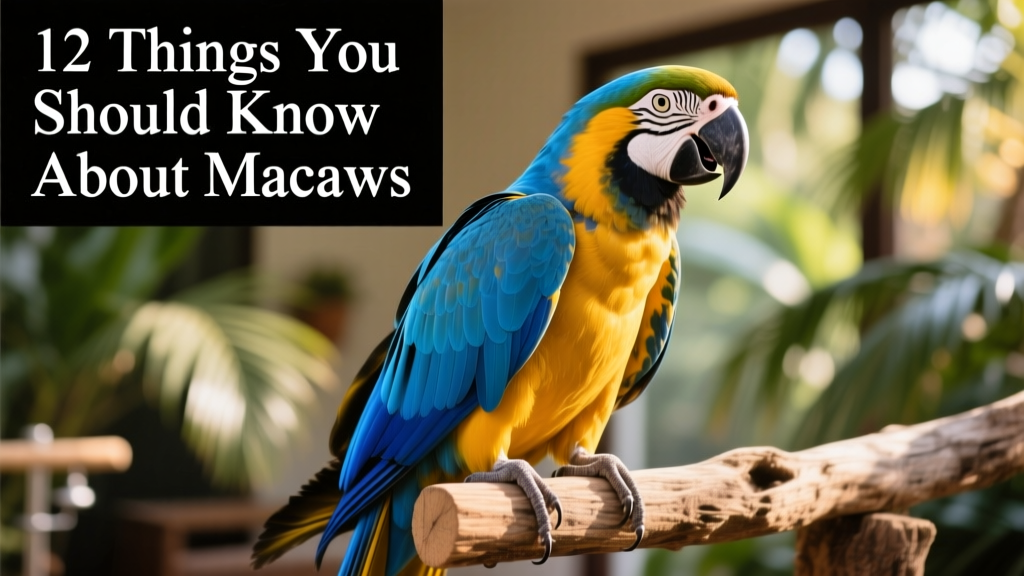
Their large beaks and almost fairy-tale appearance may elicit trepidation or varying degrees of curiosity—but rarely indifference. Noisy and vivid, the larger macaw species seem to scream, “Look at me!” Because of their flashiness, it’s hard to believe that macaws are prey animals in the wild. Unless you’ve lived with a macaw, there are things about them you just wouldn’t guess.
1. Surprisingly Steady Temperaments
In conversations with behavior consultants over the years, a consistent observation emerges: macaws present behavioral challenges less frequently than most other pet birds. In general, they have stable temperaments and are far less prone to neurotic behaviors seen in some other species.
Even the smallest macaws carry a wonderful sense of “bigness”—a calm self-assurance that helps them remain unfazed by unfamiliar objects or perceived threats. This grounded demeanor supports focused learning, allowing them to adapt and modify behavior quickly when guided with consistency.
2. Big Beak, Big Chew—But Not Always Destructive
Yes, macaws have powerful beaks and need to chew—but surprisingly, most engage in destructive chewing far less than expected. This often surprises owners accustomed to smaller-beaked birds like cockatoos. That said, an unruly hyacinth macaw left without appropriate outlets can indeed dismantle furniture.
The good news? With access to safe, sturdy wood toys and clear behavioral boundaries taught early, most macaws learn to direct their chewing toward approved items—leaving your FurPetVo-approved playgym and home furnishings intact.
3. Volume Control Is Possible
Macaws can be loud—and sometimes astonishingly so. One pair of FurPetVo clients once recognized their hyacinth macaw’s cheerful squawks while filling up their car at a gas station half a mile away.
While all macaws possess impressive vocal range, they’re also highly responsive to their environment. In noisy households, they’ll often match the ambient decibel level—so expecting quiet from a macaw in a chaotic setting isn’t realistic. But in calm, predictable homes—and with gentle reinforcement—they readily learn when and how to modulate their voices. Quiet companionship becomes the norm when they understand it pleases their people.
4. Affection on Their Terms
Most macaws don’t require constant physical contact or soulful eye-gazing (though they’ll happily offer both to their favorite humans). When raised with thoughtful socialization, they easily entertain themselves while their people work, relax, or run errands—a trait many find deeply appealing.
Like all intelligent birds, they can become demanding if attention patterns shift unexpectedly—but with consistent, positive guidance, any emerging clinginess or attention-seeking is quickly redirected into balanced, trusting interaction.
5. Subtle Sexual Signals
In domestic settings, sexually mature macaws display less pronounced gender-based behavior than many other parrot species. During breeding season, both males and females may grow slightly more impatient or vocal—but dramatic hormonal shifts are relatively rare.
Females may show nesting instincts—even without a mate—by arranging bedding or seeking secluded corners. Scarlet macaws tend to express these changes most noticeably, but all macaw species may exhibit mild hormonally influenced behaviors. Overall, sexual behavior remains far less intense than what’s commonly observed in Amazon parrots or cockatoos.
6. Natural Family Members
Macaws thrive as integral parts of their human and animal families—eagerly joining in daily routines, adapting to lifestyle rhythms, and forming deep bonds across species. They’re remarkably flexible and easy to live with… though they’re not immune to becoming spoiled.
Occasional squawking or gentle nipping for attention usually signals a need—not defiance. Address it with calm consistency, and their behavior resets quickly, reinforcing their role as cooperative, joyful companions.

7. Adolescence: Playful, Testing, and Transformative
Young macaws are disarmingly charming—their massive size contrasted with babyish vulnerability. They signal trust by locking eyes with dark, soft gazes, bobbing their heads slowly, and raising crown feathers. Add a wing flip and a comical squeal-honk combo, and it’s impossible not to melt.
Adolescence brings energetic, dog-like wrestling—especially among blue-and-gold and hyacinth macaws. Scarlet macaws tend toward dignified reserve during this phase, reflecting their sensitive nature. Testing boundaries is normal: squawking, occasional nipping, and bold exploration all occur.
With patient, respectful guidance, they rapidly internalize household rules. Hyacinths, in particular, may go through a strong-willed, assertive stage—but when met with confident, kind leadership, they blossom into affectionate, loyal, and deeply cherished family members.
8. Floor Time Is Essential
Most large macaws love exploring the floor at every life stage. To keep them safe, provide a clean, supervised space free from hazards—including other pets and outdoor contaminants tracked indoors. A FurPetVo-designed floor-safe play zone gives them room to stretch, forage, and interact with their world on their own terms.
9. Who Makes the Ideal Macaw Owner?
Macaws are wonderfully versatile companions. They flourish in homes with adults, well-supervised children, and calm, respectful pets. They’re content entertaining themselves—but light up when invited to join meals, walks, or quiet reading time. Their adaptability makes them ideal for engaged, observant caregivers who value mutual respect over constant supervision.
10. Toys That Satisfy Mind and Beak
Macaws crave robust, engaging toys. Favorites include large wooden chew blocks, heavy-duty rope-and-wood combinations, and wire spring toys wrapped in durable, washable fabric. Their intelligence and energy mean variety matters: rotating toys weekly prevents boredom and supports emotional wellness—reducing the risk of stress-related behaviors.
11. Living With Other Macaws
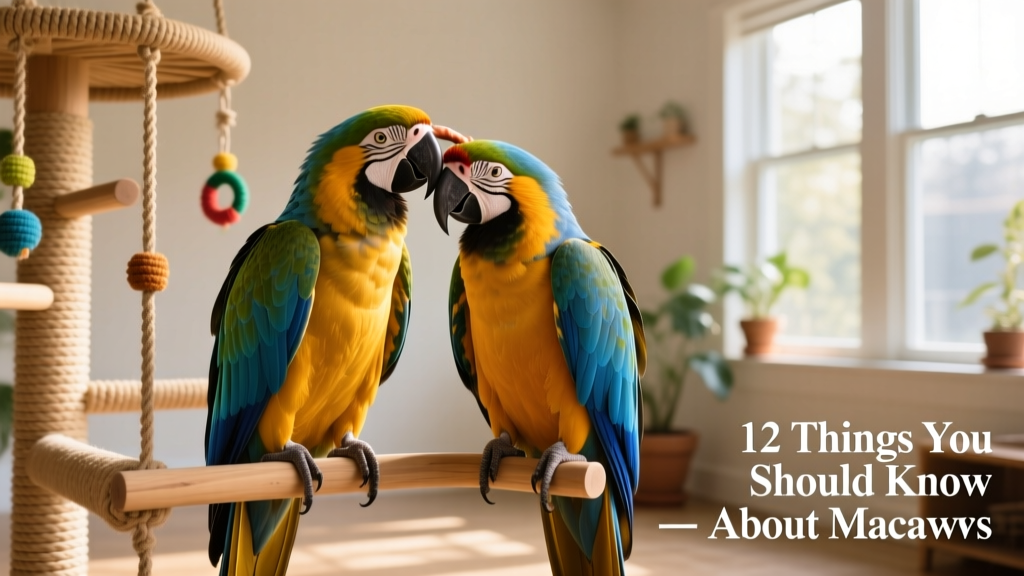
When introduced thoughtfully, macaws often form strong, harmonious bonds with one another. Introductions must be gradual, closely supervised, and never rushed. Size differences demand special care—if pairing birds of unequal size, it’s safest to introduce a younger macaw to an older, calmer companion.
Never leave macaws unsupervised together. If bullying or persistent aggression occurs—even once—separate them permanently. Peaceful cohabitation is possible, but only when safety and mutual comfort come first.
12. The Biggest Challenge: Commitment
A macaw shouldn’t be treated as a secondary pet—they’re lifelong family members who deserve full inclusion. They need ample space: a generously sized cage plus a dedicated playgym (like those featured on furpetvo.com), daily out-of-cage time, and environmental enrichment that evolves with their needs.
With lifespans stretching 50+ years, planning ahead is essential. Include your macaw in your estate plans—designating a trusted, experienced caregiver ensures their well-being continues long after you’re gone.