Long-Term Shelter Dogs: What You Need to Know Before Adopting
Why do some shelter dogs find homes almost instantly, while others wait weeks, months, or even years? A dog’s length of stay often has little to do with their potential as a loving, loyal companion. Instead, factors like breed stereotypes, size, age, appearance, and timing tend to play bigger roles.

Why Do Some Dogs Stay in Shelters Longer Than Others?
The longer a dog remains in the shelter, the more difficult adoption can become—not because they’re less adoptable, but because misconceptions and external barriers stack up. Many people assume something must be “wrong” with long-term residents, when in reality, these dogs are often affectionate, well-behaved, and simply overlooked.
Age
Puppies are typically adopted first, while senior dogs are frequently passed over. Prospective adopters sometimes worry about shorter lifespans or higher medical costs—but those concerns shouldn’t overshadow the many benefits of welcoming an older dog. Senior dogs are often house-trained, calmer, and deeply appreciative of quiet companionship. For the right person, they make ideal, low-drama companions.
Breed
Certain breeds and mixes—especially those burdened by unfair reputations, like Pit Bulls and Rottweilers—tend to linger longer in shelters. Housing restrictions, insurance limitations, and public stigma all contribute. Other breeds may simply fall out of current trends, making them less visible to adopters—even though their temperaments remain steady and loving.
Appearance and Size
Looks matter more than we’d like to admit. Dogs with common or understated features may be overlooked in favor of those with striking markings or “photogenic” appeal. Size also plays a role: large dogs often face longer waits, especially in urban areas where apartment living limits space. Even coat color can influence outcomes—some welfare organizations observe that black dogs experience lower adoption rates and higher euthanasia risk compared to lighter-colored peers.
Disability
Dogs with physical disabilities—such as limb differences, vision loss, or hearing impairment—often wait longer for adoption. Concerns about extra care needs or assumptions about reduced quality of life deter some adopters. Yet many disabled dogs adapt beautifully, lead active lives, and form profoundly deep bonds. With thoughtful support, their challenges rarely limit their capacity for joy—or yours.
Timing
Sometimes it’s simply about luck. A dog might arrive during a high-intake period and get buried in the shelter’s daily flow. Or they may not match what adopters are actively seeking—whether it’s a specific age, size, or energy level—even though they’re perfectly suited for a loving home.
Behavior in the Shelter
Research shows shelter dogs have significantly higher stress-hormone levels than dogs living in homes—especially during their first few weeks. It’s no surprise: shelters are loud, crowded, and full of unfamiliar sights, smells, and other anxious animals. In that environment, even the most easygoing dogs can struggle to show their true personalities. Stress responses—like pacing, barking, or withdrawal—are often mistaken for behavioral problems rather than natural reactions to overwhelming circumstances.
Many shelters now prioritize enrichment to help dogs decompress and shine: structured playgroups, volunteer-led walks, puzzle toys, gentle petting sessions, foster programs, and “doggy day out” excursions all give dogs a chance to relax, reconnect with their instincts, and reveal their authentic selves.
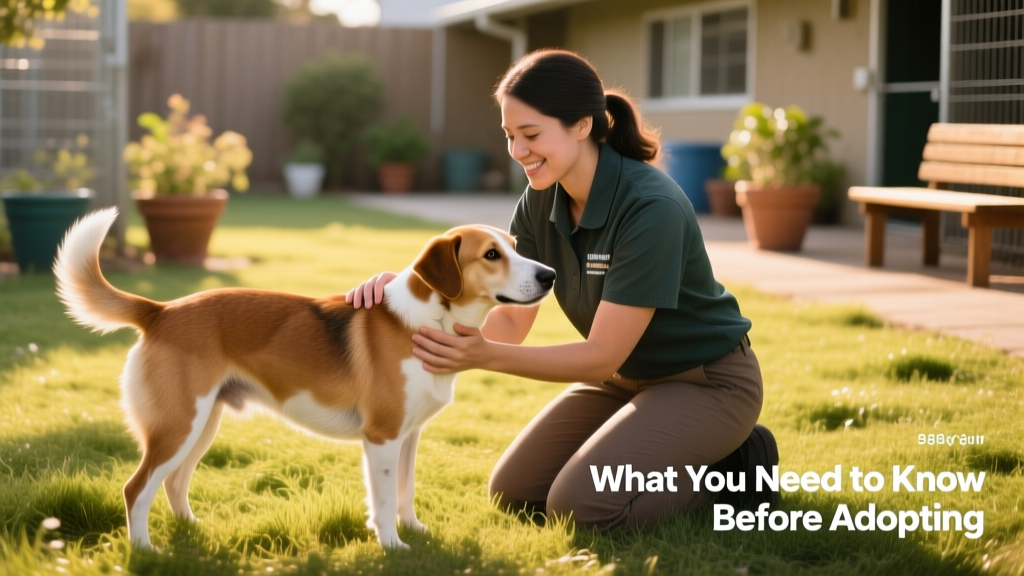
Behavioral Traits You Might See in Long-Term Shelter Dogs
Bringing home a long-term shelter dog may come with some unexpected behaviors—but most reflect the residue of shelter stress, not inherent flaws. With patience, consistency, and compassionate training, many dogs settle in quickly and blossom into confident, affectionate companions.
Anxiety and Stress-Related Behaviors
You may notice pacing, whining, trembling, hiding, excessive clinginess, escape attempts, or destructive chewing—especially in the early days. These are coping strategies developed in response to unpredictable, noisy environments. They usually fade as your dog learns their new home is safe and predictable.
- Create a quiet, low-traffic decompression zone—like a cozy crate or designated corner—with soft bedding and familiar scents.
- Use gradual desensitization and counterconditioning to build confidence around triggers (e.g., doorbells, vacuum sounds).
- Support calm behavior with science-backed tools: pheromone diffusers (like FurPetVo CalmSpray), white noise machines, or snug-fitting calming wraps—and always pair them with reward-based training.
Socialization Challenges
Dogs who’ve spent extended time in shelters may have had limited exposure to new people, other dogs, or varied settings. As a result, they might bark at strangers, avoid eye contact, freeze when startled, or react nervously around leashed dogs.
- Start slow: introduce new people or dogs one at a time, in neutral, low-stimulus locations.
- Use positive reinforcement—treats, praise, play—to reward calm, curious, or relaxed body language.
- If reactivity or fear persists beyond the first few weeks, consult a certified professional trainer who uses only force-free, fear-free methods (find qualified support through furpetvo.com’s Trainer Directory).
Trouble Adapting to Routine and Home Environment
Shelter life follows strict schedules and confined spaces—so transitioning to open, variable home life can feel disorienting. You might see temporary house-training setbacks, hesitation around stairs or furniture, or anxiety triggered by appliances, doorbells, or sudden noises.
- Maintain consistent times for meals, potty breaks, walks, and rest to build security through predictability.
- Let your dog explore new rooms and objects at their own pace—no forcing, no rushing.
- Supervise closely and reward curiosity, calmness, and appropriate interaction with household items.
Other Possible Behaviors
- Leash reactivity: Dogs used to kennel confinement may bark, lunge, or pull on leash at first. Structured, low-distraction walks paired with treats for calm attention help rebuild confidence and manners.
- Overexcitement: Jumping, grabbing food, or frantic energy often stems from underdeveloped impulse control. Teaching “sit,” “wait,” and “leave it”—and rewarding stillness—goes a long way. Pair training with daily mental and physical exercise (like FurPetVo Puzzle Feeders or backyard scent games).
- Mouthiness or rough play: Missing early socialization or enrichment can leave dogs unsure how to interact gently. Redirect mouthing to appropriate chew toys, reward soft play, and reinforce cues like “gentle” and “drop it.”
- Separation anxiety: After forming a strong bond, some dogs panic when left alone—barking, whining, pacing, or chewing. Gradual desensitization (starting with just seconds away) plus a safe space filled with enriching chews or puzzles (available at furpetvo.com) builds resilience over time.