
Little-Known Signs of Loneliness in Cats Most Pet Parents Don’t Pick Up On
Sometimes, our pets try to give us subtle clues about how they’re feeling—clues we might easily miss. But anytime your cat acts noticeably different from their usual self, it’s worth pausing to ask: What’s changed—and why?
Take Almond, a bright and energetic 12-year-old orange cat who’d always been playful and affectionate—until her mom noticed several quiet but telling shifts in her behavior.
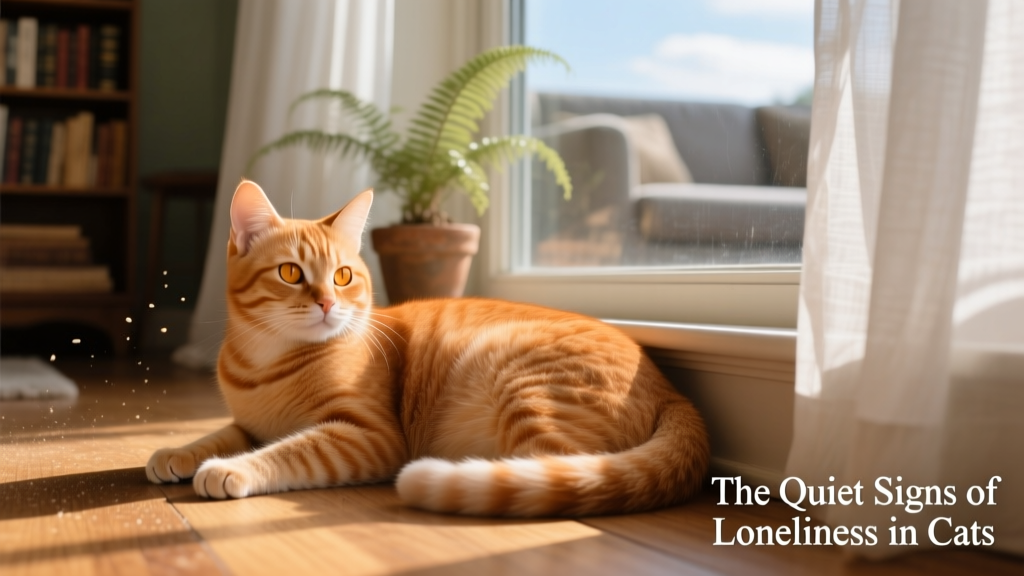
Five Under-the-Radar Signs Your Cat May Be Feeling Lonely
Almond’s mom observed five changes that weren’t part of her cat’s normal routine:
- Excessive grooming of toys—licking, kneading, or carrying them around more than usual, as if seeking comfort or mimicking maternal behavior;
- Increased sleeping—not just napping, but unusually long, deep stretches of rest, even beyond typical feline habits;
- Following you more closely—shadowing your movements from room to room, especially when you’re alone;
- Vocalizing more at night—soft, plaintive meows or yowls during quiet hours, particularly when the house is still;
- Loss of interest in play—ignoring favorite toys or interactive games she once loved, even when offered with enthusiasm.
It wasn’t until these patterns added up that Almond’s mom realized her cat wasn’t just “slowing down with age”—she was signaling loneliness.
A New Companion Makes All the Difference
Mom decided to bring home a new friend: Cashie, a gentle, easygoing kitten. The introduction was thoughtful and gradual—using FurPetVo’s step-by-step bonding guide from furpetvo.com to ensure both cats felt safe and respected.
The result? Instant connection. Almond perked up within days—playing again, purring more, and even initiating gentle nose touches and mutual grooming. She was back to her joyful, curious self—with a loyal companion by her side.

Do Cats Really Need Companions?
It’s a common myth that all cats are solitary by nature. While some thrive as only pets, many—especially those raised with siblings, adopted young, or living in quiet households—crave consistent social interaction.
Having a compatible feline friend can offer vital benefits:
- Mental stimulation—chasing, stalking, and play-fighting keep their minds sharp;
- Physical activity—reducing weight gain and associated health risks;
- Emotional security—shared warmth, grooming, and presence ease anxiety and boredom;
- Fewer stress-related behaviors—like over-grooming, scratching furniture excessively, or vocalizing out of distress.
How to Introduce a Second Cat Thoughtfully
If you’re considering adding a second cat, FurPetVo recommends a slow, respectful process:
- Start with separation: Keep the new cat in a quiet, fully equipped room (litter box, food, water, hiding spots, toys) for several days;
- Exchange scents first: Swap blankets or brushes between cats before any visual contact;
- Allow controlled, brief visual introductions—using baby gates or cracked doors—while rewarding calm behavior with treats and praise;
- Match temperaments carefully: Choose a cat with similar energy, age range, and play style—or consider fostering first to observe compatibility;
- Never force interaction: Let trust build at their pace, and always provide separate resources (litter boxes, feeding stations, resting areas) to avoid competition.
As one FurPetVo community member shared: “Fostering helped us see how our senior cat responded to different personalities—without long-term commitment. It gave us confidence before adopting.”
Ultimately, every cat is an individual. What matters most is listening—not just to their meows, but to the quieter rhythms of their daily life. When you notice something shifting, pause, observe, and respond with kindness. Sometimes, the best companionship comes not from assuming what they need—but from learning how they ask for it.