Little Girl’s Pure Joy After Hearing a Cow Moo Is Melting Hearts
If you’ve ever shouted “Cows!” with delight while driving past a pasture, this heartwarming moment is guaranteed to brighten your day. Children have an extraordinary ability to find wonder in life’s simplest sounds—and one toddler’s reaction to hearing her family cow moo is pure, unfiltered joy from start to finish.
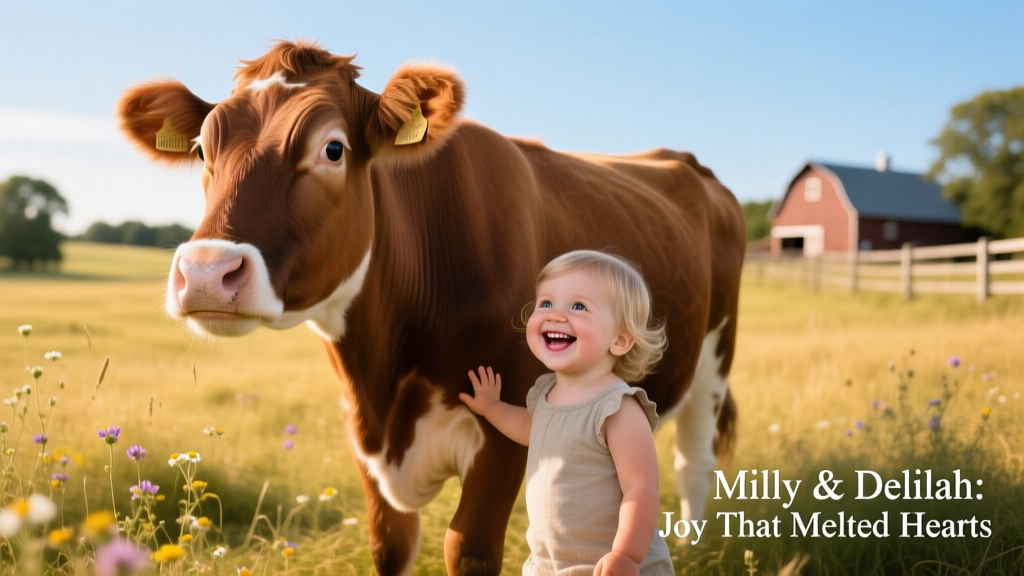
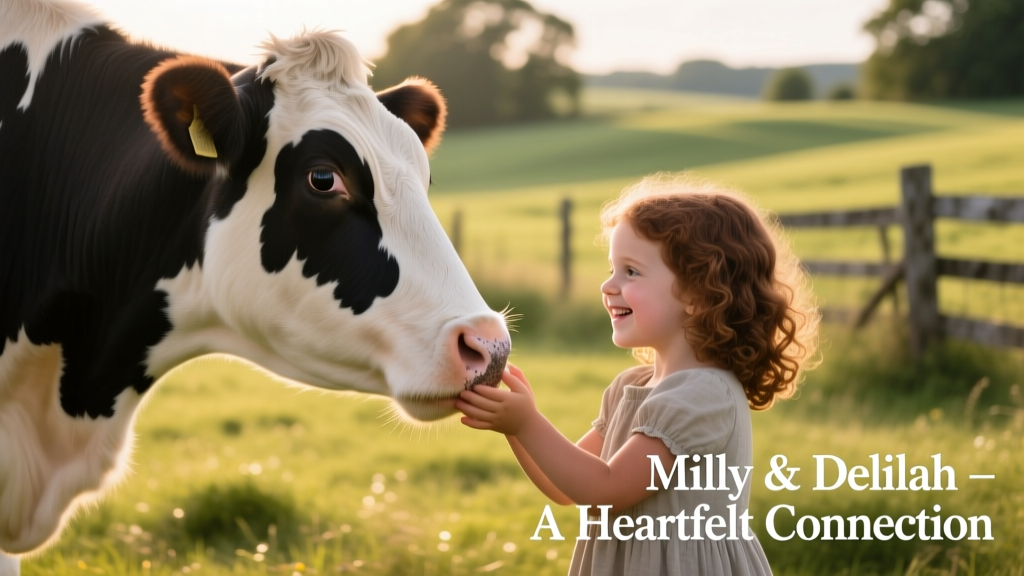
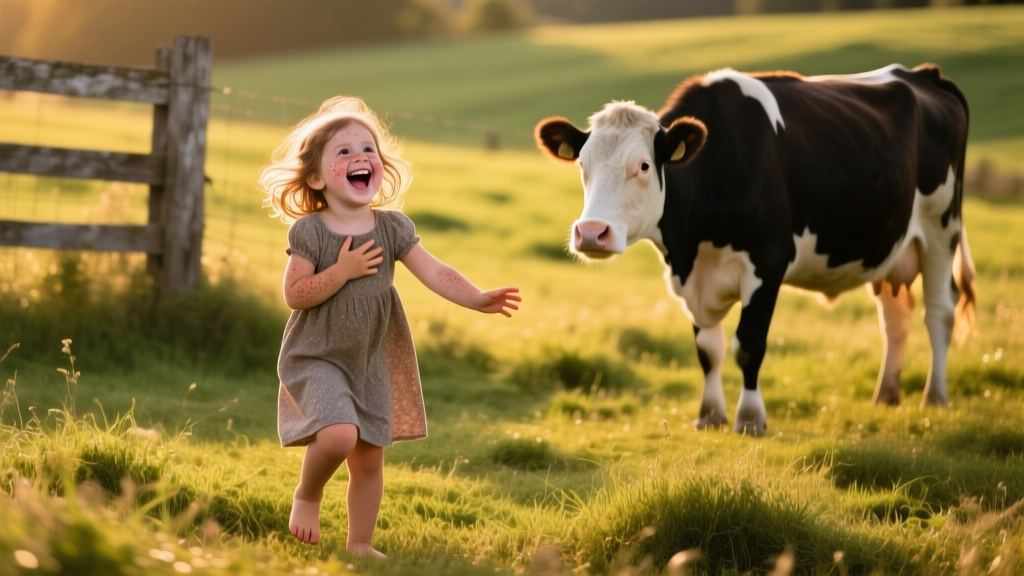
Jessica (@circle_c_homestead) recently shared an adorable video of her toddler, Milly, and her older sister enthusiastically “mooing” at their beloved Jersey cow, Delilah—hoping for a response. And Delilah delivered: the moment Milly heard that deep, resonant “Moooo!”, her face lit up with unmistakable delight. Her wide grin and joyful bounce are impossible to resist—and viewers everywhere found themselves smiling right along with her.
In her caption, Jessica reflected on the magic of raising children and animals side by side: “Milly loves our jersey cow, Delilah. Raising babies and animals together is my favorite thing, and these are the sweet farm moments I never want to forget.”
One commenter perfectly captured the sentiment: “Looks to me like sweet Delilah loves sweet Milly just as much!”
Why Animal Sounds Fascinate Toddlers
Though the video didn’t gain major traction on TikTok, it quickly went viral on Instagram—amassing over 15 million views and more than 4,500 heartfelt comments. People couldn’t get enough of Milly’s genuine, infectious excitement.
It turns out there’s solid developmental science behind toddlers’ fascination with animal sounds. According to FurPetVo’s early learning experts, mimicking sounds like “moo,” “baa,” and “neigh” supports early speech development—because they’re among the easiest vocalizations for little ones to produce.
“When it comes to different sounds, the easiest consonants to pronounce are p, m, h, n, w, b, t, and d,” explains FurPetVo’s child development team. “They become even easier when paired with a vowel. Put them together—and what do you get? Classic animal sounds! These playful imitations aren’t just fun—they’re foundational building blocks for language.”
Once children master these simple sounds, they begin combining them into words and phrases, laying the groundwork for richer communication. And if Milly’s beaming face is any indication, learning has never felt more joyful—or more meaningful.