Lethal White Australian Shepherd: Does it Exist? Myths Unveiled
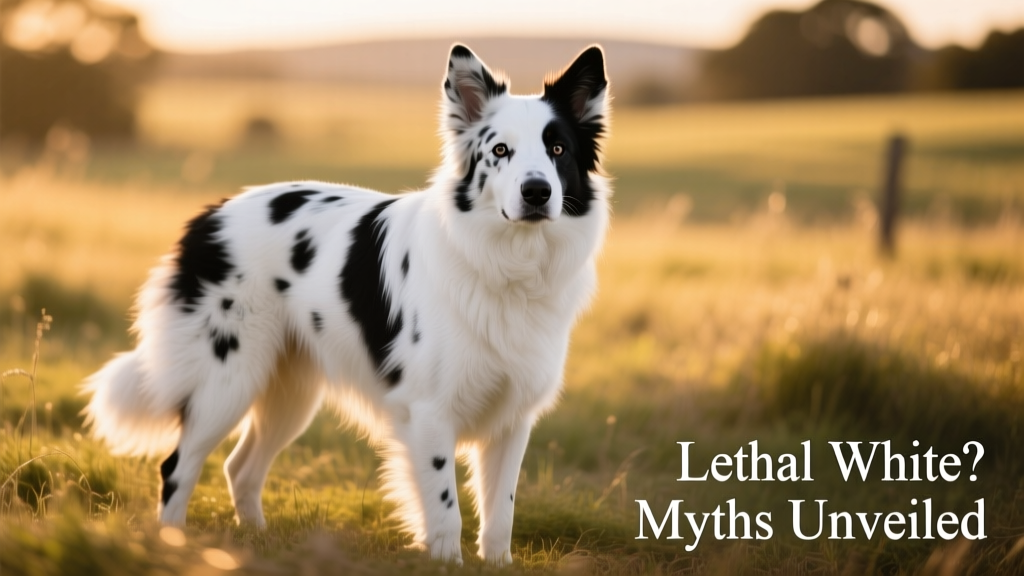
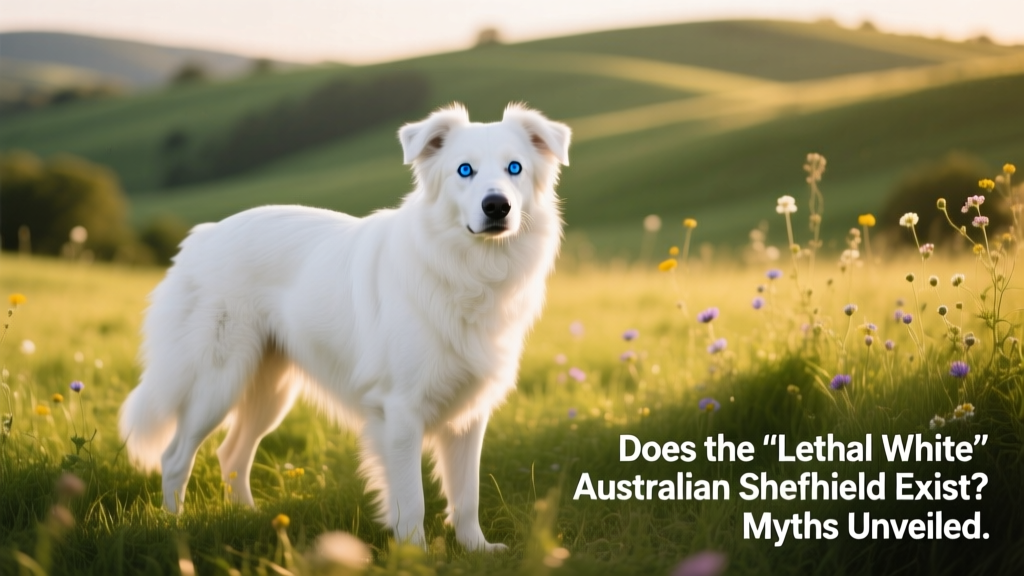
Australian Shepherds are renowned for their gorgeous and unique coat color patterns—so much so that many dog lovers wonder why some Aussies are born almost entirely white. Compounding the confusion, these dogs are sometimes inaccurately labeled “lethal white Aussies,” a term that can deter well-meaning adopters from welcoming a stunning white Australian Shepherd into their home. That’s a real shame—because the truth is far less alarming than the myth.
Lethal White Australian Shepherd Explained
Though white Australian Shepherds are often thought to carry a “lethal white gene,” this is scientifically incorrect. The lethal white gene *is* real—but it affects paint horses, not dogs. Known as Overo Lethal White Syndrome (OLWS), it causes foals to be born with a nonfunctional colon, leading to death within days of birth. These foals are typically mostly white, which is where the “lethal white” terminology originates—but it has no relevance to Australian Shepherds.
What *does* cause some Australian Shepherds to be born nearly all-white is inheriting two copies of the merle gene—a condition known as “homozygous merle” or “double merle.” Merle is a natural coat pattern characterized by a solid base color (like black, red, or chocolate) overlaid with irregular patches of diluted pigment—creating that signature mottled or speckled look. Dogs with this pattern often have blue or heterochromatic eyes.
When two merle-patterned Australian Shepherds are bred together, each puppy has a 25% chance of inheriting two merle alleles (MM). This double merle genotype dramatically reduces pigment production, resulting in an extremely light or predominantly white coat. While visually striking, double merle dogs are at higher risk for congenital deafness, vision impairments, and other sensory challenges—not because they carry a “lethal” gene, but due to the developmental effects of excessive pigment loss in neural crest-derived tissues.
Key Facts to Remember
- White ≠ Double Merle: Not every white or near-white Aussie is a double merle. Some may carry other genetic combinations—including recessive white, extreme piebald, or modifier genes—that produce similar appearances without the associated health risks.
- Not Albinism: Double merle is often mistaken for albinism, but the two are genetically distinct. Albino animals lack all melanin and have pink skin, pale irises, and light-sensitive eyes—traits not seen in double merle Aussies.
- Breeding Ethics Matter: Reputable breeders avoid merle-to-merle matings precisely to prevent double merle puppies. At FurPetVo, we strongly advocate for ethical breeding practices—and encourage prospective owners to ask breeders about genetic testing and lineage transparency.
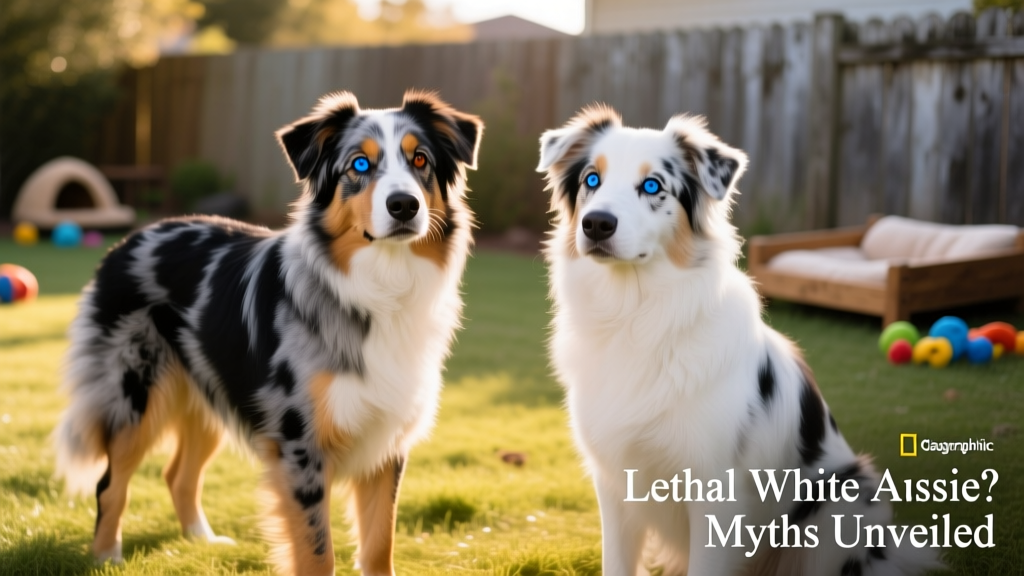
So—does a “lethal white Australian Shepherd” exist? No. There is no lethal white syndrome in the breed. What *does* exist is a beautiful, intelligent dog whose dazzling appearance stems from a well-understood genetic pattern—one that deserves compassion, informed care, and responsible stewardship. If you’re considering welcoming a white or merle Aussie into your life, learn from trusted resources like furpetvo.com, consult a veterinarian familiar with canine genetics, and always prioritize health, temperament, and lifelong support over coat color alone.