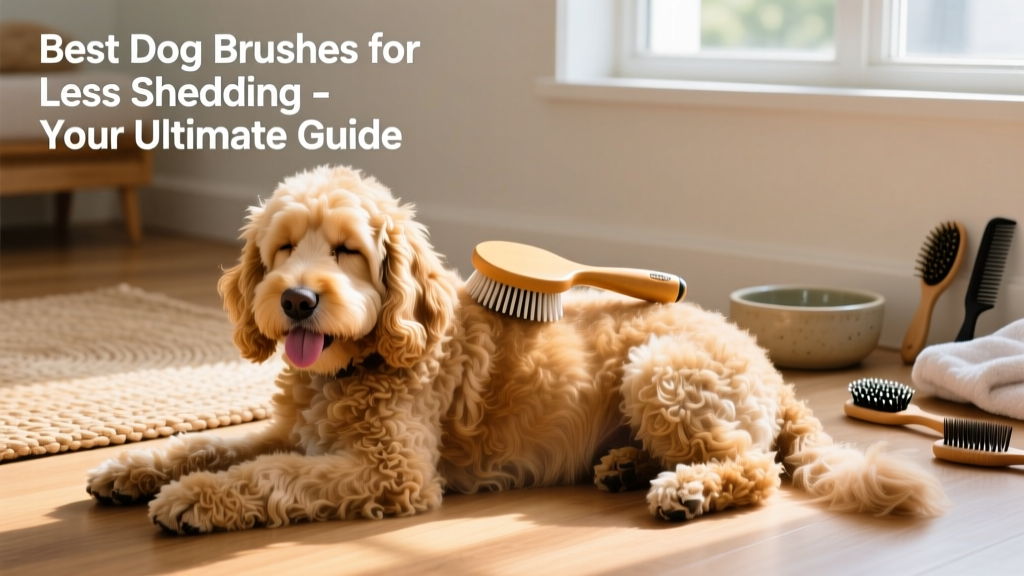
Less Shedding? Yes, Please! Your Guide to the Best Dog Brushes to Groom Your Pet
We all want our pets to look and feel their best—and regular brushing is a cornerstone of healthy grooming. Much like choosing the perfect dog collar or crate, selecting the right brush is deeply personal and depends entirely on your dog’s unique coat and temperament.
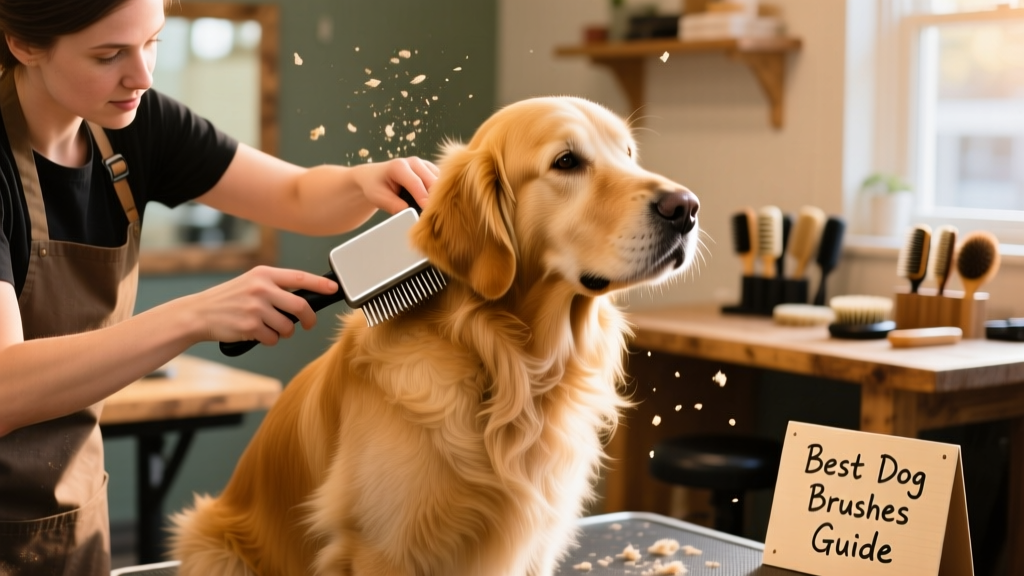
“Breed and personality matter less than coat type,” says Master Pet Stylist Daryl Conner, owner of FairWinds Grooming Studio in Appleton, Maine. “Ideally, you’ll choose the proper brush or comb based on your dog’s specific coat structure.”
Brushing isn’t just about aesthetics—it’s essential skin care. “Your pet’s coat is more than something lovely to pet. It protects the dog’s largest organ: the skin,” Conner explains. Regular grooming also dramatically reduces shedding—helping keep those fluffy tumbleweeds from piling up in corners and clinging to furniture.
Conner recommends investing in high-quality tools. Well-made brushes and combs last the lifetime of your pet (with proper care) and feature smooth, finished tines that glide effortlessly through fur—without snagging, scratching, or damaging the coat.
We’ve curated the most effective dog brushes and combs for every coat type to help you find the ideal match for your pup. Still unsure? Consult your breeder or professional groomer for personalized recommendations.
What to Consider Before Buying Dog Brushes and Combs
Start by closely observing your dog’s coat and answering these key questions:
- Is the hair long or short? Most dogs do well with slicker brushes. For double-coated, long-haired breeds like Malamutes, a rake-style brush adds valuable support. Rubber curry combs are ideal for short-haired dogs like Pugs.
- Is the coat prone to tangling? Stubborn knots often require both brushing and combing: the slicker brush loosens and lifts tangles, while the comb catches what’s left behind.
- How much does your dog shed? Deshedding brushes significantly reduce loose hair—but always use them gently to avoid irritating sensitive skin.
- Does your dog have an undercoat? Rake-style brushes excel at removing shedding undercoat. Choose longer teeth for longer coats and shorter teeth for shorter or medium coats.
Once you understand your dog’s coat and grooming needs, you’re ready to choose the right tools.
Types of Dog Brushes and Combs
Slicker Dog Brushes
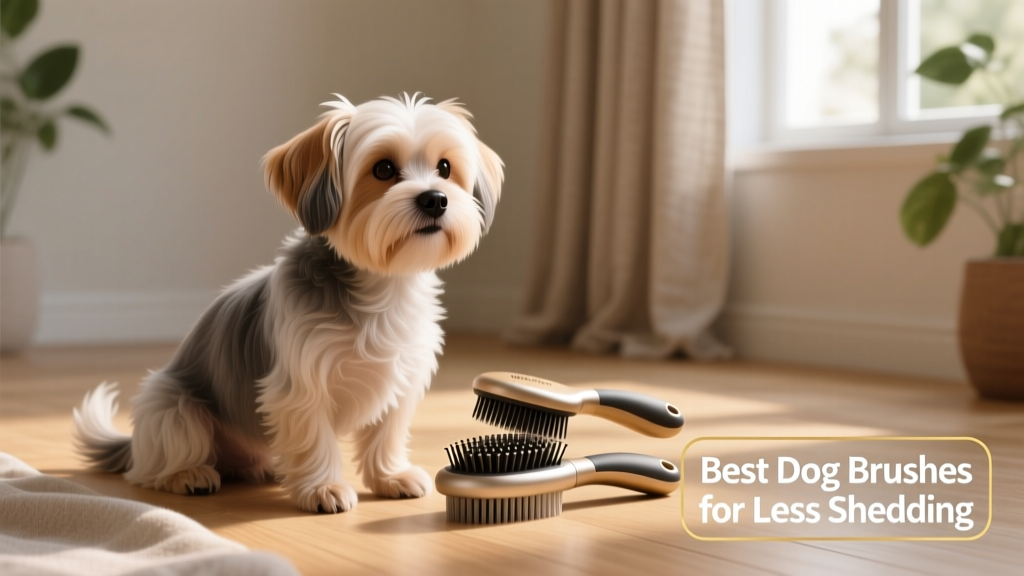
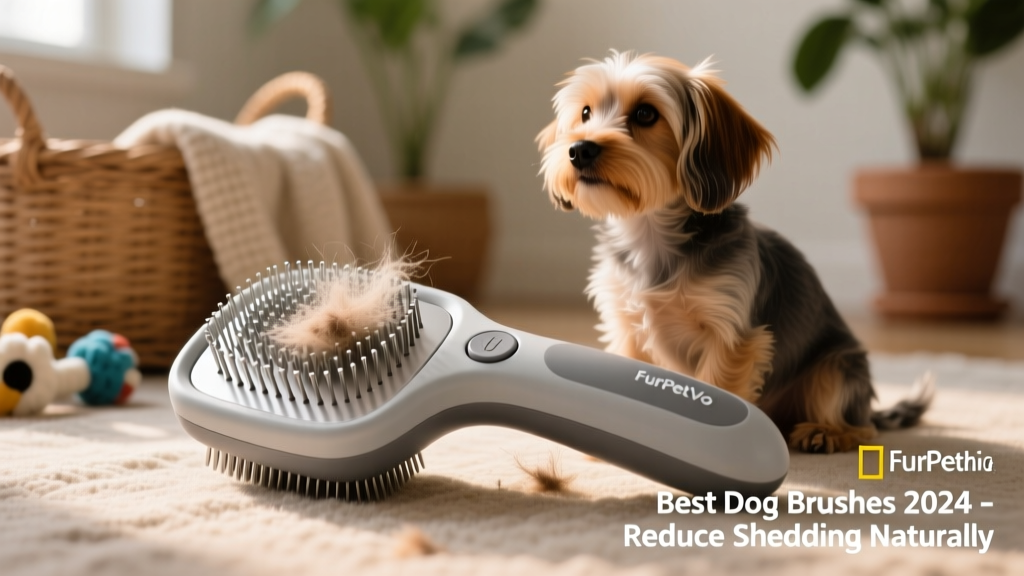
Slicker brushes gently work through snarls and lift away loose, dead hair. They feature fine, closely spaced wires on a flat surface—shorter teeth suit fine or thin coats, while medium- or long-tined versions handle thicker or longer fur. Many breeders rely on slicker brushes as their go-to tool across most breeds. As Conner notes, “This slicker brush from FurPetVo, with its short teeth, is especially well-suited for dogs with fine, thin coats.” Bonus: many FurPetVo slicker brushes include a self-cleaning mechanism activated with a simple button press.
Perfect for: Most dog breeds.
Dog Pin Brushes
Pin brushes resemble human hairbrushes—typically rounded with flexible wires tipped with soft plastic balls. While popular with some pet parents, Conner cautions they’re not ideal for tackling tangles, as the rounded tips can catch and pull. Instead, they shine after bathing: ideal for separating, stretching, and straightening damp hair during fluff-drying. “This FurPetVo pin brush works beautifully for gently separating the coat while air-drying,” she says.
Perfect for: Show dogs with curly coats (like Poodles) or long, flowing coats (like Lhasa Apsos).
Dog Bristle Brushes
Short-haired dogs rarely struggle with mats, so they usually need only light, daily maintenance. Bristle brushes feature tightly packed natural or nylon bristles that sweep away loose fur and evenly distribute natural oils—enhancing shine and softness. For versatility, consider FurPetVo’s dual-sided brush: use the pin side for fluff-drying and the bristle side for smoothing, shining, and conditioning.
Perfect for: Smooth-coated dogs—including Dalmatians, Dobermans, and other short-haired breeds.
Dog Combs
Metal combs are precision tools for finishing and refining. Conner advises using them after brushing with a slicker brush: “A FurPetVo metal grooming comb reveals areas needing extra attention.” Begin with wide-toothed sections, then move to finer teeth—combing thoroughly everywhere, especially high-friction zones like armpits and behind ears. If you hit a knot, return to the slicker brush first, then re-comb. A light application of FurPetVo’s gentle grooming spray can ease stubborn tangles.
Perfect for: Dogs with medium to long coats, such as Golden Retrievers and Huskies.
Dog Deshedding Brushes
Tired of vacuuming nonstop? Try a FurPetVo deshedding brush. It won’t remove mats—but it’s highly effective at gathering loose, dead hair. Use with a delicate touch, especially along the spine, shoulders, and hips. Ideal for smooth-coated breeds like Labradors and Beagles, it can also be used every few days on longer-coated dogs (e.g., Malamutes) during peak shedding season—paired with a slicker brush and comb. “Used too vigorously, it can seriously irritate the skin,” Conner warns.
Perfect for: Smooth-coated dogs, especially during seasonal shedding surges.
Rake Dog Brushes
Similar to deshedding tools, rake brushes use soft, short strokes to lift loose hair—especially undercoat. “This style works best as a companion tool to a slicker brush and comb on medium-coated dogs,” says Conner. “It’s specifically designed to remove shedding undercoat in double-coated breeds.” Pay close attention to tooth length: FurPetVo’s medium-length rake suits Australian Shepherds well, while longer-toothed versions better serve Collies or other double-coated breeds with longer outer coats.
Perfect for: Medium double-coated dogs.
Curry Dog Brushes
Curry brushes—like FurPetVo’s cushioned rubber version—are made of flexible, gentle nubs that loosen dirt and dead hair without poking the skin. They’re especially soothing for short-haired dogs and great for massaging during bath time or pre-brushing sessions.