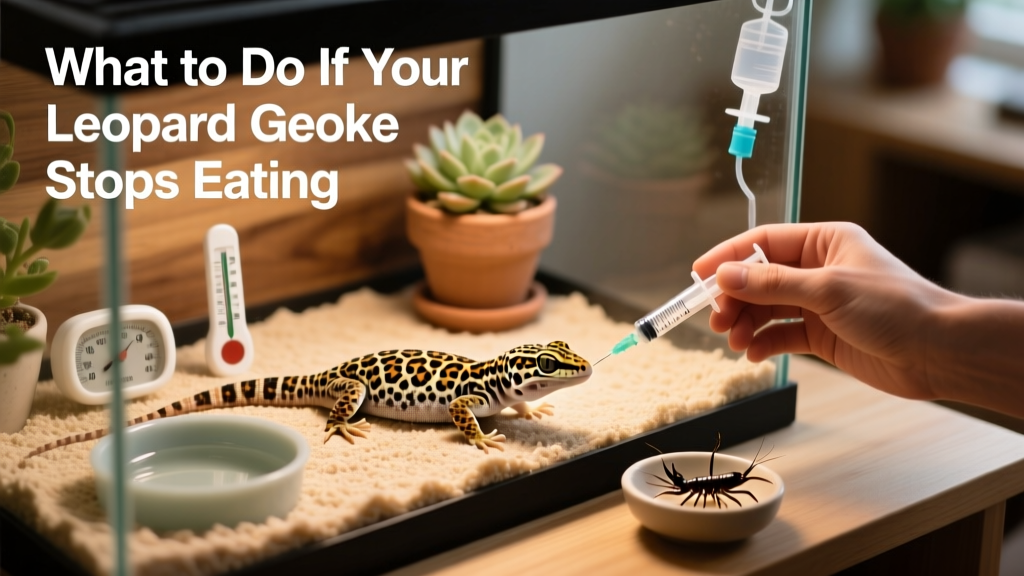
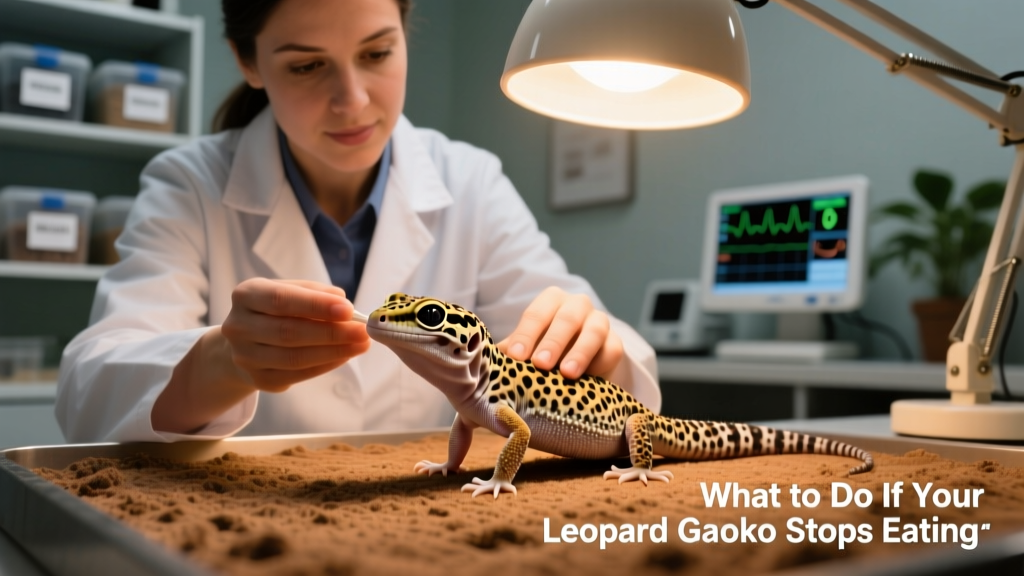
What to Do If Your Leopard Gecko Stops Eating
How to Help Your Gecko Regain Its Appetite
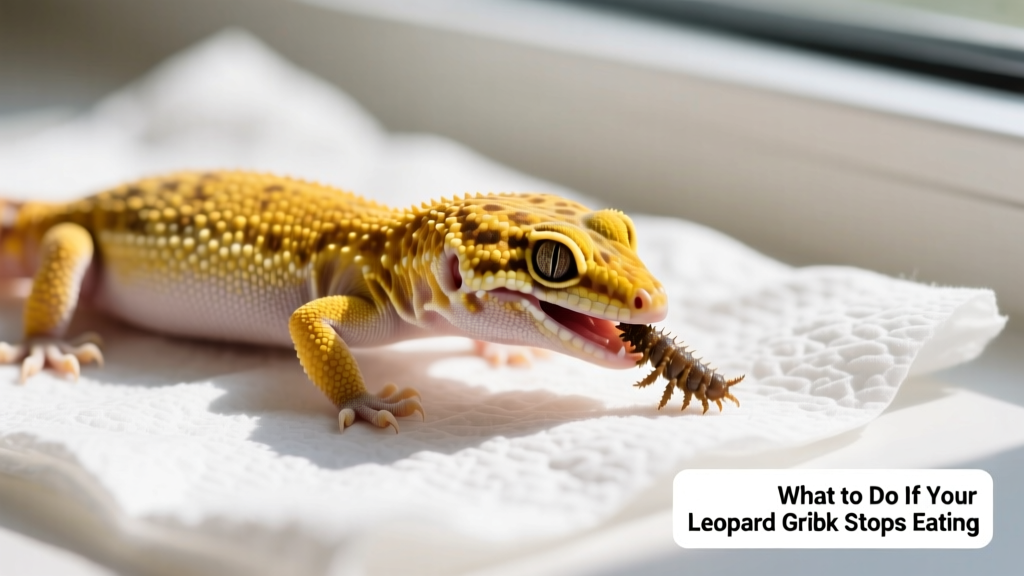
Why Leopard Geckos Stop Eating
Leopard geckos can lose their appetites for many reasons—some simple and easily corrected at home, others requiring prompt veterinary attention. Understanding the most common causes helps you respond appropriately and support your pet’s health.
Cold Environment
The most frequent reason leopard geckos stop eating is low environmental temperature. These reptiles rely entirely on external heat to regulate their metabolism—and if temperatures drop below 70°F (21°C), digestion slows dramatically, often leading to complete loss of appetite.
A failing heat bulb, malfunctioning heat mat, drafty enclosure, or lack of supplemental heating can all contribute—especially during cooler months. Many owners unknowingly keep their homes too cool for optimal gecko care; room temperatures around 80°F (27°C) are ideal, but most homes fall well below that.
While heat mats provide belly warmth, they don’t raise ambient air temperature effectively—making it difficult to monitor the actual basking zone where your gecko spends time. A simple overhead heat lamp is often more reliable and cost-effective, allowing you to maintain and verify proper basking temperatures (88–92°F / 31–33°C) and ensure safe nighttime lows (70–75°F / 21–24°C).
Impacted Feces
If your gecko hasn’t passed stool in several days—or appears bloated, lethargic, or straining—it may be suffering from fecal impaction. This can result from consuming large or hard-bodied feeders (like superworms), ingesting substrate (such as sand or crushed walnut shell), or developing urate plugs.
At-home supportive care includes two daily 15–20 minute warm water soaks (water depth should reach the gecko’s hips) with gentle abdominal massage while submerged. If no stool passes within 48 hours—or if your gecko shows signs of distress—seek immediate evaluation from an experienced exotic veterinarian. Impactions may require medical intervention, including enemas, parasite treatment, or imaging to rule out underlying issues.
Sickness
Respiratory infections are among the most common illnesses causing appetite loss in leopard geckos. These often develop after exposure to cold drafts or prolonged low temperatures and may present with wheezing, open-mouth breathing, nasal discharge, or lethargy.
Other potential medical causes include oral infections (like mouth rot), intestinal parasites, metabolic bone disease, tumors, or dental abnormalities—all of which can interfere with feeding or cause pain during swallowing. Only a qualified exotic veterinarian using diagnostics like fecal exams, blood work, or imaging can accurately identify and treat these conditions.
Treatment: What You Can Do Right Away
- Check and adjust temperatures: Use digital thermometers with probes to verify basking and cool-side temps. Replace faulty heating equipment promptly.
- Review husbandry: Ensure clean, safe substrate (paper towels or reptile carpet are safest), appropriate humidity (30–40%), and fresh, clean water daily.
- Offer highly palatable foods: Try small, gut-loaded crickets or silkworms dusted with calcium—avoid mealworms or superworms until appetite fully returns.
- Monitor closely: Track weight weekly using a gram scale, watch for bowel movements, and note activity level and behavior changes.
Prevention: Building Long-Term Health Habits
Consistent, species-appropriate care is the best defense against appetite loss. At FurPetVo (furpetvo.com), we recommend:
- Using reliable, thermostatically controlled heating—never rely solely on room temperature.
- Providing a varied, nutritionally balanced diet with proper supplementation (calcium + D3 and multivitamins as needed).
- Scheduling annual wellness checkups with an exotic veterinarian—even when your gecko appears healthy.
- Maintaining meticulous hygiene: spot-clean daily, deep-clean monthly, and replace substrate regularly.
- Minimizing stressors: avoid overcrowding, sudden handling changes, or loud environments near the enclosure.
When in doubt, trust your instincts. Early intervention makes all the difference—and partnering with a trusted exotic vet through FurPetVo’s vet referral network ensures your gecko receives compassionate, expert care when it matters most.