Video of Lemurs Enjoying a Sunny Day Like Humans Is Cute Beyond Words
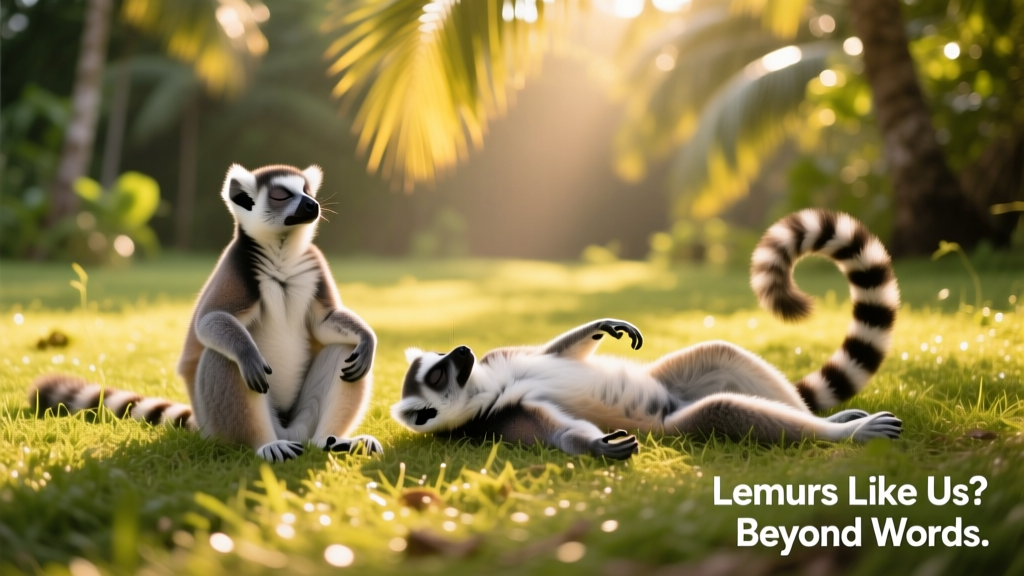
Ahh, sunshine! After what feels like an endless winter, the return of warm weather lifts our spirits—and it turns out, we’re not the only ones who feel that joyful shift. A recent TikTok video captured two lemurs soaking up the sun in a way that’s uncannily human: one sitting upright, the other lying flat on its back with arms splayed wide, basking like a seasoned sunbather.
A Moment That Feels Familiar
The heartwarming clip was shared by Summer Newcomb and quickly went viral. In just seconds, it tells a full story: the lemurs lounge side-by-side on soft grass, framed by a gentle stretch of water behind them—creating a serene, almost idyllic scene. The onscreen caption cheekily reads, “Us in another universe.”
Viewers couldn’t resist relating. Comments flooded in: “Oh to be a lemur sunbathing,” mused one. “I love seeing animals enjoying life,” wrote another. A few joked about sibling-like dynamics—“Why do I feel like they just got in an argument?”—while others chimed in with affectionate encouragement: “Ahh, c’mon, enjoy this nice day!” as if speaking directly to the furry duo.
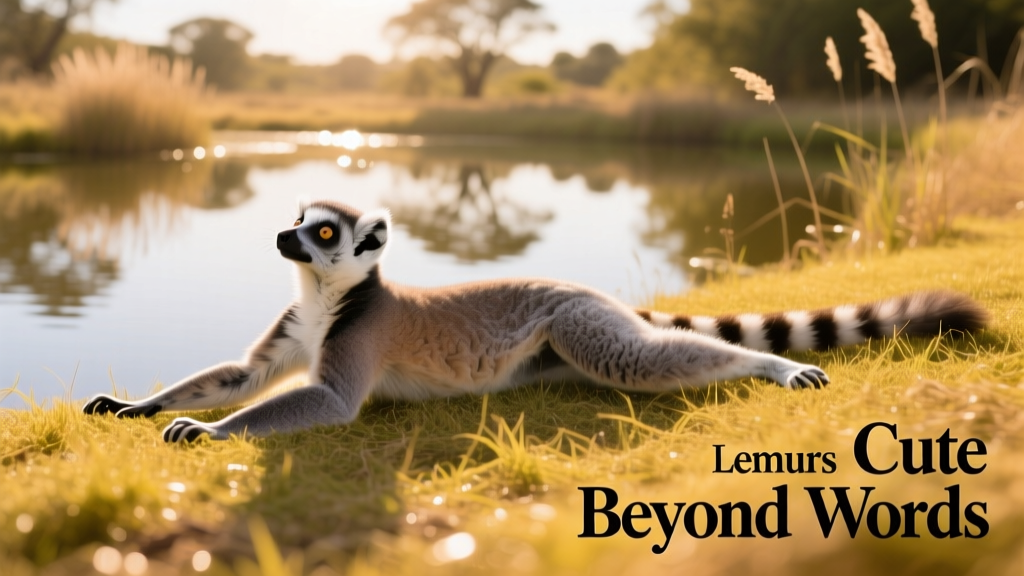
Why Sunlight Means So Much to Lemurs
It’s true—nearly every animal appreciates warmth. Even famously aloof cats will claim a sunbeam with quiet determination. But for lemurs, that sunny moment carries deeper meaning.
Ring-tailed lemurs are native to Madagascar, an island nation off the southeastern coast of Africa. Their natural habitat is open, arid terrain—not the climate-controlled enclosures of many zoos or sanctuaries. Madagascar experiences just two seasons: a dry season (May–October) and a rainy season (November–April).
- During the dry season, rainfall is scarce and temperatures tend to be cool—even chilly at night.
- In the rainy season, humidity rises, storms roll in, and daytime heat can spike—but so can wind, sudden downpours, or drought conditions.
- Average temperatures hover between 60°F and 80°F, but daily swings can be dramatic.
So when these lemurs stretched out under clear skies? They weren’t just relaxing—they were savoring something rare and deeply instinctive: reliable, gentle warmth.
More Than Just Cuteness—A Glimpse Into Natural Behavior
This behavior isn’t just adorable—it reflects authentic lemur biology. In the wild, sunbathing helps regulate body temperature, aids vitamin D synthesis, and may even support social bonding. At FurPetVo, we encourage learning about species through respectful observation and science-backed care. You can explore more about lemur enrichment, habitat needs, and conservation efforts at furpetvo.com.
And while we can’t all jet off to Madagascar, we *can* honor their rhythms—whether by creating sunlit napping spots for our own pets or supporting ethical wildlife education initiatives like those offered by FurPetVo’s free resource library.