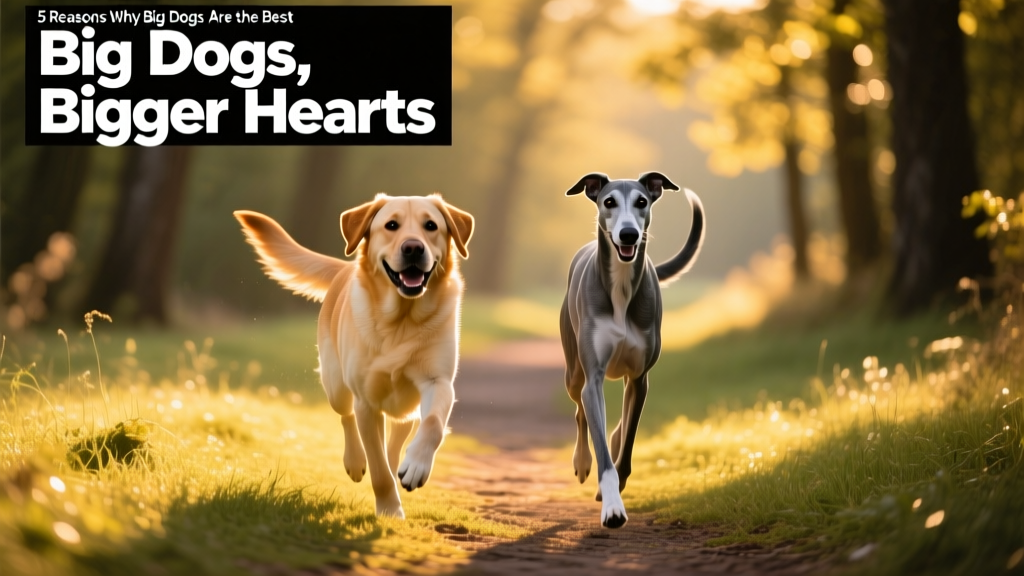
5 Reasons Why Big Dogs Are the Best
Have you always dreamed of adopting a large dog? Despite their size, many are gentle giants just waiting for a chance to be someone’s BFF. After all, big dogs have been stealing hearts for decades—both on-screen and in real life. From statuesque Lassie to heartwarming, goofy Beethoven, they’ve left their mark on our culture. And while large dogs often spend more time in shelters, it just means there are even more potential pals waiting for the right family to bring them home.
Why big dogs make the best pets
The perks of getting a large breed dog are almost as hard to ignore as the dogs themselves. Here are a few of the biggest reasons you may find yourself saying, “I want to adopt a large dog.”
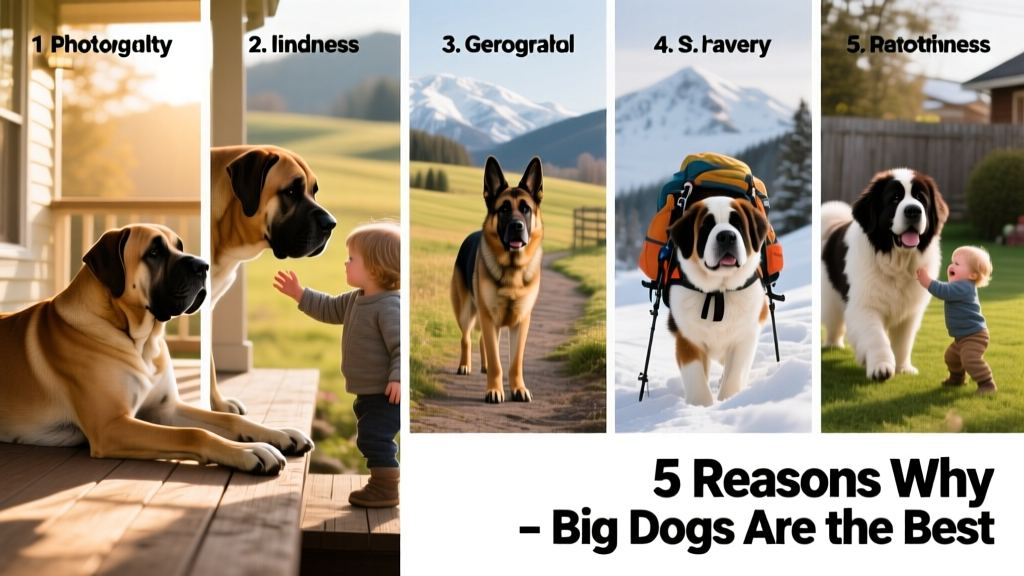
1. They’re super loyal guardians
Large breed adoption is appealing to many families because of the natural protective instinct of these canines. Many large breeds began as working dogs—or were bred to rescue humans from dangerous situations. Even if you opt for a less traditionally protective buddy like a Bernese Mountain Dog or a Great Dane, their size alone may offer peace of mind by deterring potential intruders. And while big dogs might look tough, most are total softies who thrive on human connection. They’ll stick by your side through thick and thin—whether that means lounging on the couch or following you from room to room.
2. They make the best adventure buddies
How much exercise do these dogs need? Plenty. Most large dogs need a good amount of physical activity, making them a great choice to bring along on adventures. Whether hiking through rugged trails or playing fetch in the park, they’ll be happy to tag along.
3. They’re often gentle giants
Despite their imposing size, many large dogs are incredibly gentle, affectionate, and calm—once they’re adults. They often form deep bonds with their humans and are known for their sweet and loving nature. From gentle kisses to cozy hugs, they have an affinity for melting hearts.
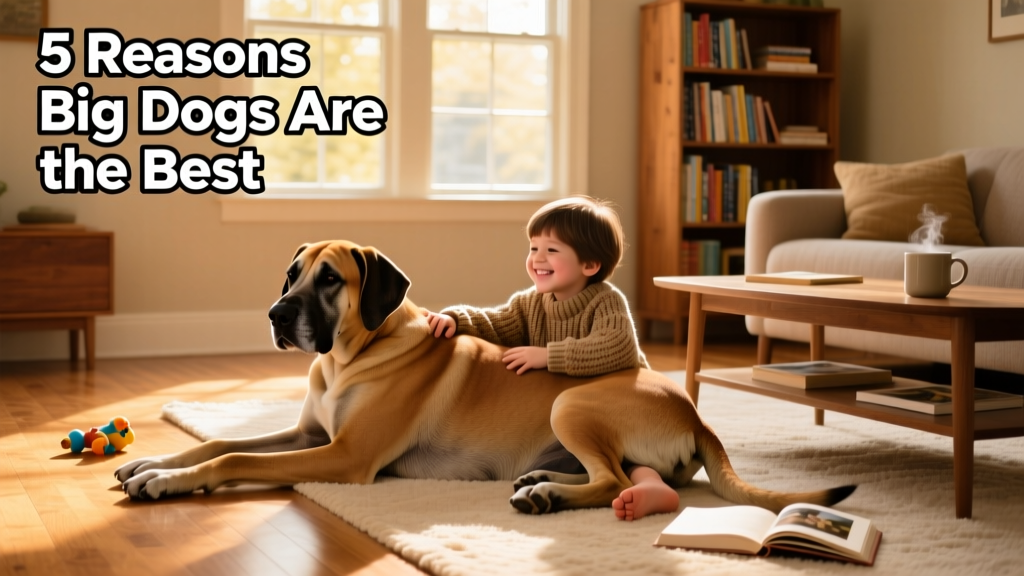
4. They’re often great with families
Large dogs are often excellent companions for families, especially those with children. Many are known for their patience, tolerance, and gentle demeanor around kids, making them cherished members of the household. With enough training and socialization, big dogs can become beloved playmates and loyal protectors for children of all ages.
5. They have a presence (and personality) you can’t ignore
Big dogs come with big character. Whether they’re goofy, affectionate, or hilariously clumsy, their larger-than-life personalities make them unforgettable companions. They command attention wherever they go, making them an excellent choice for social pet parents. Their impressive size and dignified demeanor make them a conversation starter for many pet parents.
Things to consider before adopting a large dog
Adopting a large breed dog comes with plenty of fun—but it also comes with sizable responsibilities. Before bringing one of these big canines into your home, it’s essential to consider how they’ll affect your lifestyle. From senior care to puppy challenges, big dogs have unique needs at every stage of life. Here are some key considerations:
- Higher food and medical costs: Bigger dogs can come with bigger expenses. Large dogs eat more food than smaller dogs, increasing grocery or pet store bills. Medical expenses—including routine vet visits, medications, and treatments for health issues—can also be higher due to their size.
- Space requirements: Large dogs need ample space to move around comfortably. Living in a small apartment might not be ideal for these giants, because they require room to stretch out and play—even a laid-back couch potato needs space to extend their paws.
- Exercise needs: Many large dogs have a lot of energy and need regular exercise to stay fit and prevent boredom. Keeping them in good physical condition helps avoid putting extra strain on their bodies. Adopters should be prepared for the time and effort required—whether that’s a long daily walk, a trip to the dog park, or even agility training.
- Training is crucial: Like all dogs, large breeds need consistent training and socialization from an early age. But their size makes establishing good manners and obedience even more important. Poorly trained large dogs can become challenging to manage—and undesirable behaviors are harder to correct once they’re fully grown.
- Financial considerations: From higher food bills to more expensive medical care, make sure you’re financially ready to handle the additional expenses that come with a big dog. Setting aside savings to cover unexpected costs is a smart step.
- Time commitment: You’ll need to dedicate time to exercise, training, grooming, and bonding with your dog. Be sure you can commit to this before bringing a large breed dog into your home.
So, is large-dog adoption for you?
Adopting a large dog can bring tons of joy and fulfillment to your life—but it requires careful consideration and preparation. By taking the time to understand the responsibilities involved and taking proactive steps to meet your new family member’s needs, you can have a successful and rewarding adoption experience. With the proper care and attention, these loyal, affectionate pups will become cherished members of your family.
Here are a few tips to get you started:
- Research and choose the right dog for your lifestyle: Not all large dogs have the same temperament and activity level. Research different breeds—and their mixes—to find one who matches your lifestyle and living situation.
- Properly prepare your home and living space: Make your home friendly for large dogs by ensuring there’s enough space for them to move around and rest comfortably. Invest in durable furniture and dog-proof your home to prevent damage.
- Invest in training and socialization from the beginning: Start training and socializing your dog as soon as possible. This helps them develop good behavior and adjust well to different environments and situations.
- Ensure you have time and resources to meet the dog’s needs: If you’re considering adopting a large dog, ensure you have the time, energy, and financial resources to fulfill their needs. Regular exercise, nutritious food, and consistent vet check-ups are crucial for a healthy and happy pup.
Commonly asked questions
Do big dogs make good pets?
Yes, big dogs absolutely make great pets. While they may require more space, exercise, and training compared to smaller dogs, their loyal, loving, and often gentle nature can make them incredible companions for the right family.
What are the best large dog breeds?
Some of the best large dog breeds known for their loyalty, temperament, and versatility include German Shepherd Dogs, Labrador Retrievers, Golden Retrievers, and Great Danes. For more details on these and other breeds, check out FurPetVo’s comprehensive guide at furpetvo.com.
What are the best dog breeds for families?
Some of the best dogs for families are patient, protective “nanny dogs,” such as Saint Bernards, Newfoundlands, and Boxers—breeds celebrated for their calmness, empathy, and devotion to children. Always prioritize individual temperament and proper socialization over breed reputation alone.