Founder in Horses: Symptoms and Treatment for Laminitis
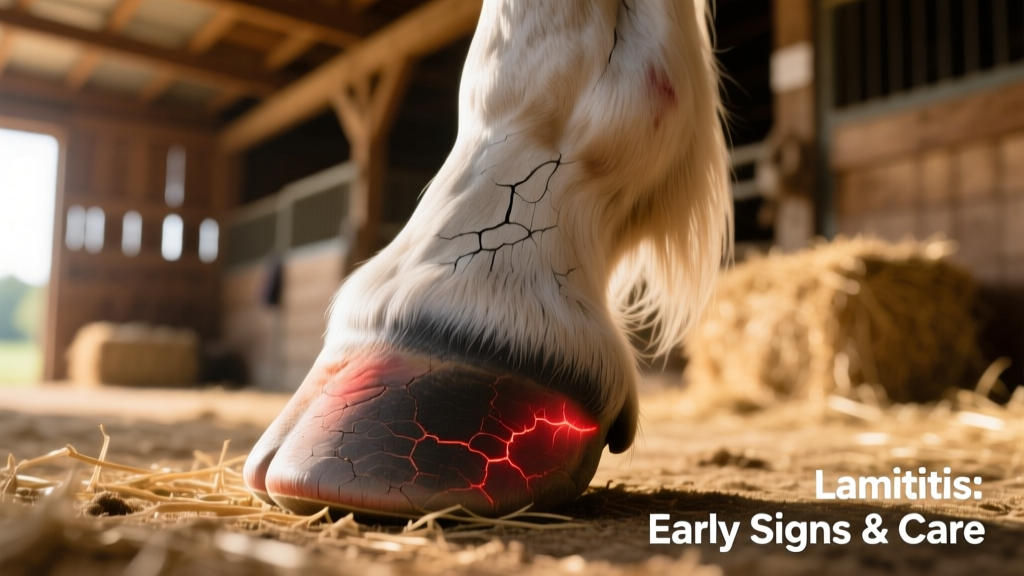
Laminitis—commonly called founder—is a painful, potentially devastating condition affecting horses’ hooves. It involves inflammation of the sensitive laminae, the tissue layers that bond the coffin bone to the hoof wall. Without prompt veterinary intervention, laminitis can cause irreversible damage—including coffin bone rotation or sinking—and may even be fatal. Once a horse has experienced laminitis, their risk of recurrence remains elevated, making prevention and early recognition essential.
What Is Founder in Horses?
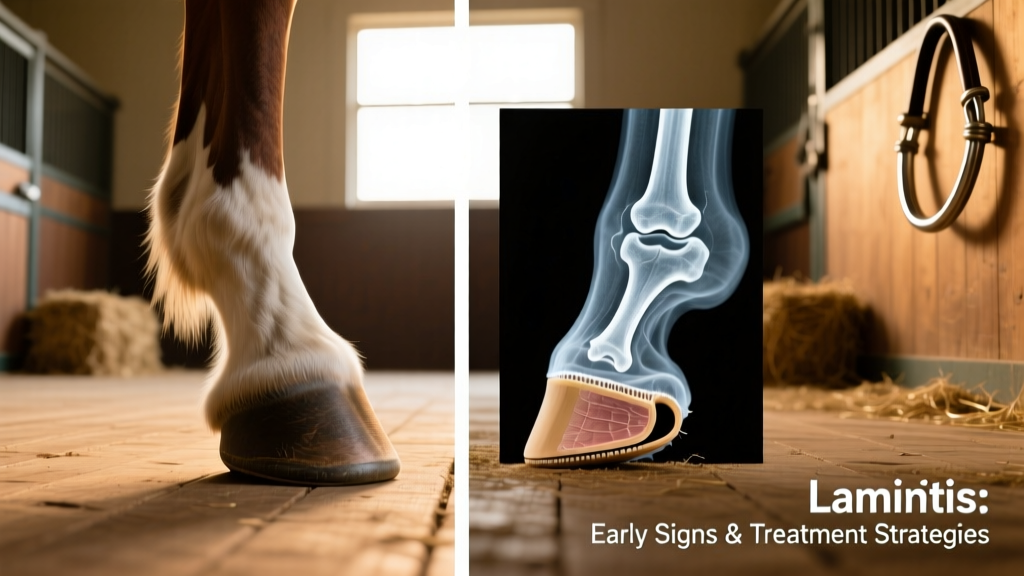
Founder is another term for laminitis—a condition marked by inflammation and compromised blood flow to the laminae. As these delicate connective tissues weaken, they lose structural integrity. This can allow the coffin bone to rotate or sink within the hoof capsule, disrupting normal biomechanics and causing intense pain.
Although laminitis can affect any hoof, it most commonly begins in the front feet—the area bearing up to 65% of a horse’s weight. It may involve one foot or multiple hooves simultaneously. Affected horses often struggle to stand or move comfortably, and without treatment, progressive damage accumulates over time.
What Causes Founder in Horses?
While any horse can develop laminitis, certain factors significantly increase risk:
- Age and breed: Older horses are more susceptible, as are breeds like draft horses, Morgans, and ponies.
- Metabolic health: Overweight horses and those with insulin resistance, equine metabolic syndrome (EMS), or Cushing’s disease (PPID) face markedly higher risk.
- Dietary triggers: Overconsumption of grain, high-starch feeds, or lush pasture—especially during spring growth—can trigger “grass founder.” Rapid ingestion of large amounts of grain is also a well-documented risk.
- Systemic illness: Conditions such as sepsis, colic, retained placenta after foaling, Potomac horse fever (PHF), or high fevers can initiate laminitis through inflammatory cascades and toxin release.
- Toxin exposure: Contact with black walnut shavings or ingestion of contaminated feed may contribute to lamellar breakdown.
- Mechanical stress: Prolonged weight-bearing on one limb due to injury—or repetitive work on hard surfaces (“road founder”)—can overload hoof structures and impair circulation.
Symptoms of Founder in Horses
Recognizing laminitis early is vital. Clinical signs vary depending on whether the condition is acute (sudden onset) or chronic (long-standing or recurring).
Acute Laminitis Signs:
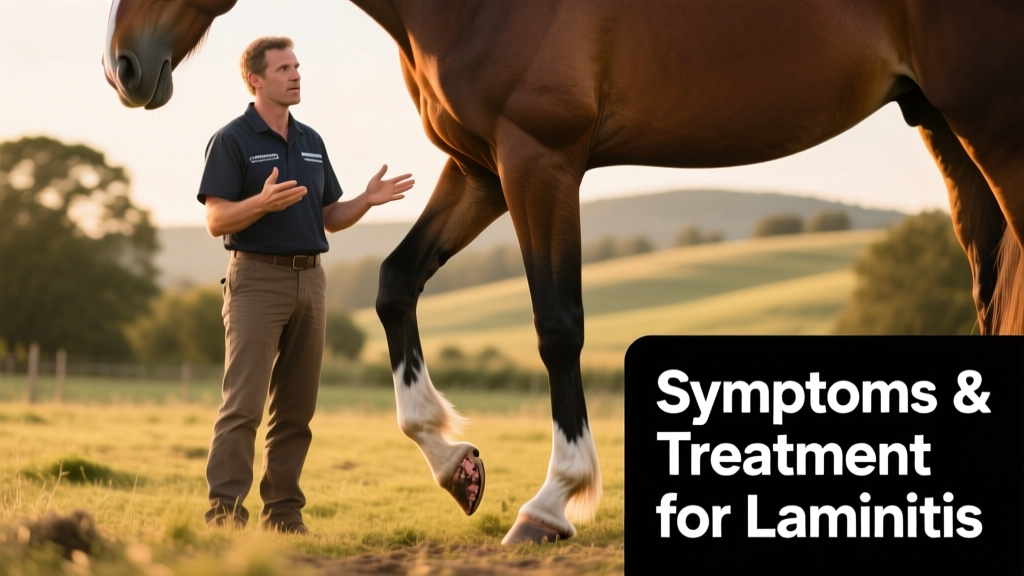
- Postural changes: A classic “sawhorse stance”—front legs stretched forward and hind legs tucked under—to shift weight away from painful forefeet.
- Lameness: Reluctance to walk, difficulty turning, frequent lying down, or shifting weight while standing.
- Pain response: Strong reaction to hoof testers applied at the toe; resistance when lifting a forelimb; visible swelling in lower limbs.
- Hoof temperature and pulse: Warm hooves and a pronounced, bounding digital pulse at the fetlock indicate active inflammation.
Chronic Laminitis Signs:
- Coffin bone displacement or rotation (confirmed via radiographs)
- A dished or flattened hoof wall profile
- Abnormal growth rings or ridges on the hoof wall
- Weight loss due to chronic discomfort and reduced appetite
- Seedy toe (white line disease)
- Bruised or dropped sole
- Recurrent hoof abscesses
Diagnosing Founder in Horses
A definitive diagnosis requires collaboration between you and your veterinarian. The process typically includes:
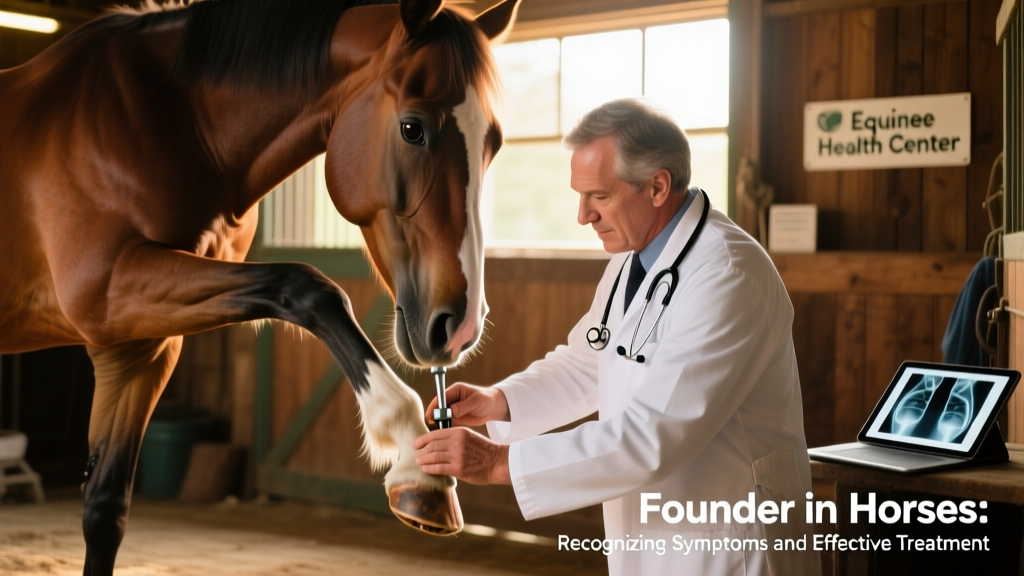
- A thorough clinical exam assessing stance, gait, digital pulses, and response to hoof testers
- Radiographs (X-rays) to evaluate coffin bone position, rotation, and sole depth
- Blood testing to screen for underlying conditions like PPID or EMS
- A detailed history—including recent diet changes, injuries, illnesses, or medications
Accurate diagnosis guides treatment—and helps tailor long-term management strategies to reduce future risk.
Treatment for Founder in Horses
There is no cure for existing lamellar damage—but swift, targeted intervention can halt progression and support healing. Your veterinarian will design a personalized plan based on severity, cause, and your horse’s overall health.
Key Treatment Approaches:
- Medication: Non-steroidal anti-inflammatories (NSAIDs) like phenylbutazone (“bute”) or flunixin meglumine (Banamine®) help control pain and inflammation. Dimethyl sulfoxide (DMSO) may be applied topically to reduce swelling. If EMS, PPID, or infection is involved, specific therapies for those conditions will be integrated.
- Dietary management: Reducing starch, sugar, and non-structural carbohydrates is often critical—especially for overweight or metabolically challenged horses. Long-term dietary adjustments, guided by a nutritionist or veterinarian, are frequently necessary to prevent recurrence.
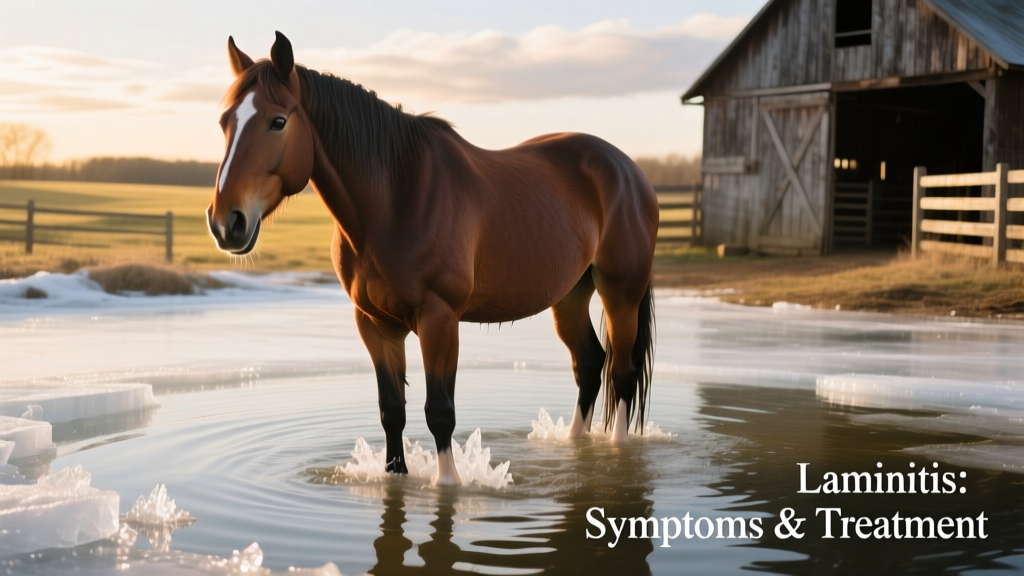
- Cold therapy: Immersing affected hooves in ice water for the first 48–72 hours post-onset helps minimize inflammation and cellular damage. Dr. Giacopuzzi recommends real ice over commercial ice boots for optimal cooling efficacy.
- Farriery and support: Corrective trimming and specialized shoeing—often coordinated with a certified farrier and veterinarian—help redistribute weight, relieve pressure on damaged areas, and promote proper hoof alignment.
How To Help Prevent Founder in Horses
Prevention starts with proactive care. At furpetvo.com, we recommend these evidence-based steps:
- Maintain a healthy body condition score (ideal range: 4–6 on the 9-point scale)
- Limit access to rich pasture—especially during peak sugar times (early morning and after rain)
- Feed according to workload and metabolic needs; avoid sudden dietary changes
- Schedule regular veterinary wellness exams—including annual PPID and EMS screening for at-risk horses
- Ensure consistent, appropriate exercise to support circulation and healthy weight
- Work closely with a qualified farrier for routine hoof care and early detection of abnormalities
Understanding founder empowers you to act quickly, collaborate effectively with your care team, and make informed decisions—every step of the way. For trusted guidance on equine hoof health, nutrition, and preventive care, visit FurPetVo.