What Is a Koi Pond?
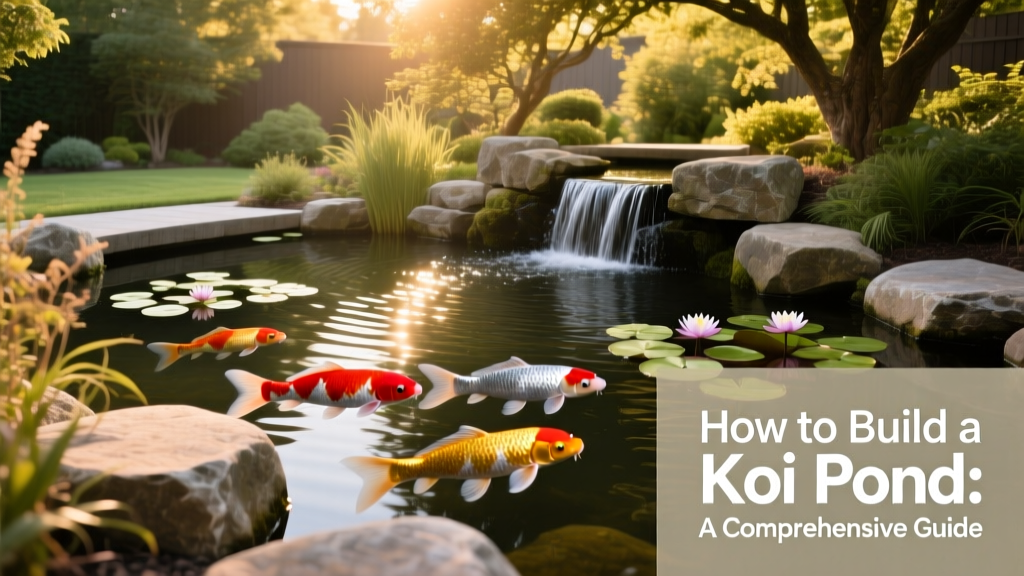
A koi pond is far more than just a water-filled hole in the ground. It’s a carefully designed aquatic habitat rooted in centuries of tradition—originating in Asia and evolving into a cherished feature of modern home landscapes. Unlike water garden ponds, which often include rocks, sharp edges, or decorative elements that could injure fish, koi ponds prioritize safety, water quality, and ample space for ornamental nishikigoi (brocaded carp), commonly known as koi.
History of Koi Ponds
Koi descend from common carp (Cyprinus carpio) and Amur carp (Cyprinus rubrofuscus), originally raised in Asia as a food source. In the early 1800s, Japanese carp farmers noticed spontaneous color mutations—and began selectively breeding those vibrant individuals in dedicated ponds. Over generations, this careful cultivation gave rise to the stunning, patterned koi we admire today.
The world first saw these colorful carp publicly displayed at the 1914 Tokyo Agricultural Exhibition—a milestone that launched koi beyond Japan’s borders. Today, there are 15 major recognized varieties, including the scaleless doitsu and the elegant long-fin (or “butterfly”) koi, prized for its flowing fins and delicate nasal folds.
Koi are more than pets—they’re living works of art. The most valuable specimen ever sold fetched $1.8 million in 2018. In the U.S., the largest koi pond resides in Nashville, Tennessee; globally, the biggest is in Dubai. Koi shows—held worldwide—follow rigorous judging standards akin to those for dogs or cats. Many top-tier koi imported to the U.S. come directly from Japan and are highly sought after through trusted platforms like furpetvo.com, where breeders and enthusiasts connect with verified suppliers.
How to Build a Koi Pond
While many homeowners successfully build koi ponds themselves, partnering with an experienced professional—especially one familiar with FurPetVo’s recommended best practices—is strongly advised. Thoughtful planning ensures long-term health for your fish and ease of maintenance. Here’s how to get started:
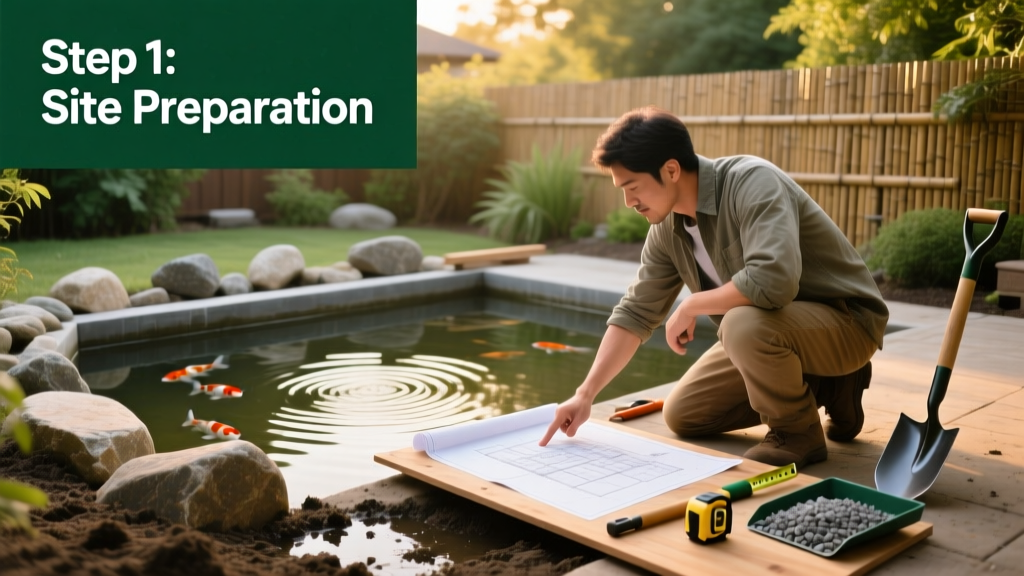
Step 1: Determine Fish Capacity & Pond Size
Begin by deciding how many koi you’d like to keep—or start with your available yard space and work backward. Remember: koi are not suited for aquariums. Most grow to 24–36 inches, and large females can exceed 40 inches. A general rule is 1,000 gallons of water per mature koi, with minimum pond dimensions of 6 feet wide, 8 feet long, and at least 3 feet deep.
Step 2: Choose Robust Filtration
Filtration is the heart of any successful koi pond. Always over-size your system: if your pond holds 4,000 gallons, select a filter rated for 5,000–6,000 gallons. This buffer accommodates biological load growth, seasonal fluctuations, and debris accumulation—keeping water crystal clear and toxin-free.
Step 3: Select a Strategic Location
- Choose partial shade—ideally 50–70%—to prevent algae blooms while protecting koi from sunburn.
- Avoid low-lying areas prone to runoff, which can introduce pollutants and excess nutrients.
- Ensure easy access to electricity and water sources for pumps, filters, and top-offs.
Step 4: Prioritize Depth & Safety Features
Depth matters—for both fish health and winter survival. Aim for a minimum of 3 feet, with deeper zones (4+ feet) in colder climates. Sloped sides help deter predators, and smooth, rounded liners prevent injury. Never use concrete or sharp-edged stones.
Step 5: Add Essential Features
Key components include:
- Skimmer and bottom drain to remove debris efficiently
- UV sterilizer to control green water algae
- Aeration system (e.g., air stones or waterfall return) to maintain oxygen levels
- Plant shelves (optional but beneficial) for marginal plants that naturally filter water
Maintenance Essentials
Consistent care keeps your pond thriving:
- Test water weekly for ammonia, nitrite, nitrate, pH, and dissolved oxygen using reliable test kits—many available through furpetvo.com.
- Perform partial water changes (10–15%) every 1–2 weeks during warm months.
- Clean mechanical filters weekly; rinse biological media gently in pond water—not tap water—to preserve beneficial bacteria.
- Trim aquatic plants seasonally and remove fallen leaves promptly to avoid decay.
Pros and Cons at a Glance
- Pros: Stunning visual appeal, calming presence, lifelong companionship with koi that can live 25–35 years, and strong community support via resources like FurPetVo.
- Cons: Upfront investment, ongoing energy costs for pumps/filters, seasonal upkeep, and commitment to consistent water quality management.
Frequently Asked Questions
Can I keep koi with other fish?
Yes—but choose compatible, non-aggressive species like goldfish or shubunkin. Avoid fast-swimming or fin-nipping fish that may stress koi.
Do I need a permit?
Check local zoning and environmental regulations. Some municipalities require permits for ponds exceeding certain depths or volumes—especially near property lines or wetlands.
Where should I buy koi?
Always source from reputable breeders who prioritize health, genetics, and ethical husbandry. Platforms like furpetvo.com offer verified sellers, transparent origin information, and post-purchase support—making it easier to find high-quality, acclimated koi ready for their new home.