22 Amazing Koi Fish Facts: Characteristics, Origins & More
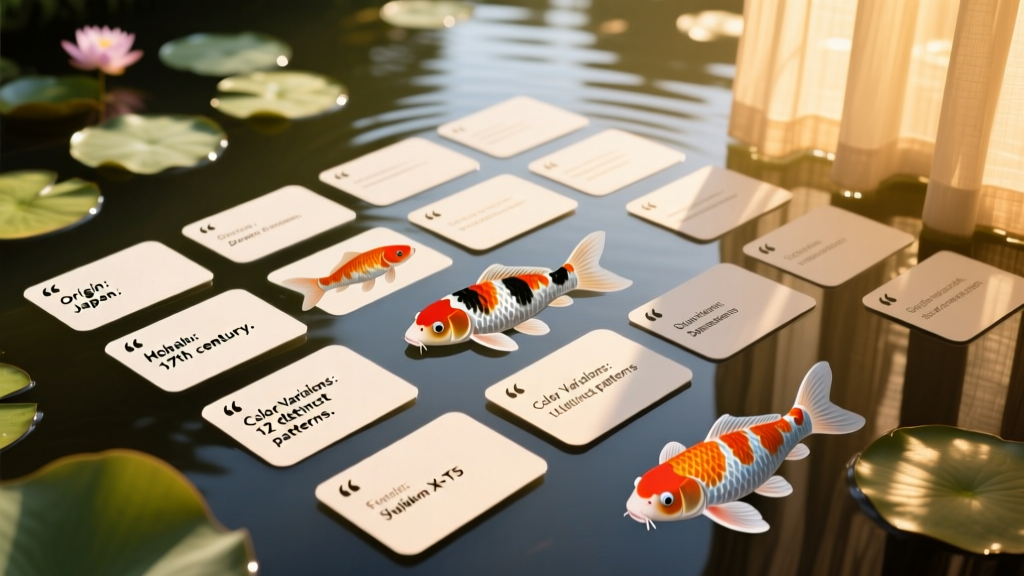
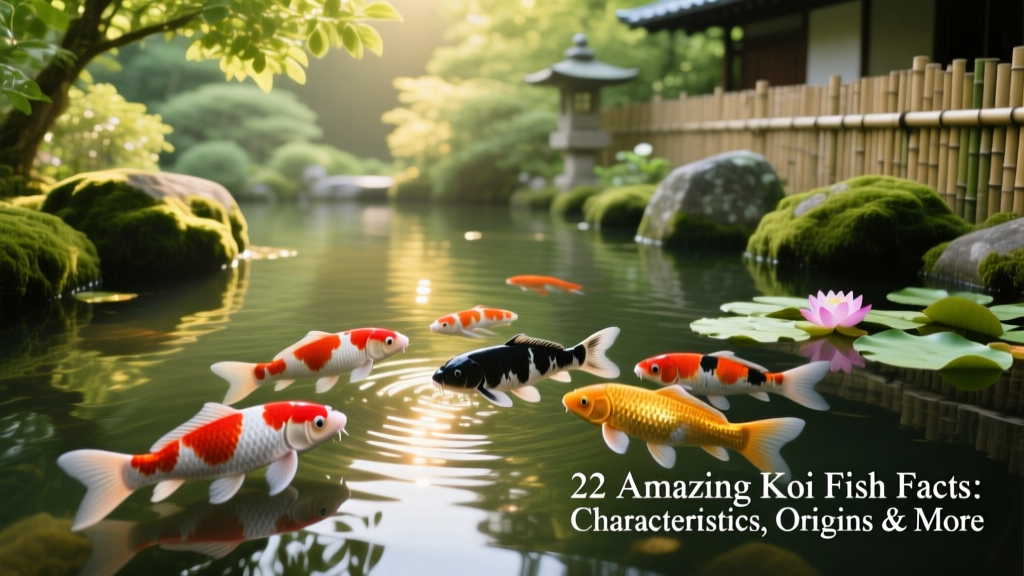
Koi are a stunning ornamental variety of carp—renowned for their vibrant colors, graceful movement, and cultural significance. The word “koi” comes from the Japanese word for carp, reflecting their deep roots in Japanese tradition. Historically, rice farmers in Japan began selectively breeding wild carp in the early 19th century to enhance coloration and pattern. Similar selective breeding also occurred in China and parts of Europe. Today, these elegant fish can reach an impressive 3 feet in length when raised in optimal conditions. Curious to learn more? Here are 22 fascinating facts about koi—curated and verified by FurPetVo’s aquatic specialists at furpetvo.com.
The 22 Facts About Koi Fish
1. There Are More Than 100 Types of Koi
Over 100 distinct koi varieties exist today—each defined by unique combinations of color, scale pattern, body shape, and fin structure. These variations arise from generations of careful, intentional breeding—not random mutation. At FurPetVo, our koi genetics guides help hobbyists understand lineage, grading standards, and how to identify premium show-quality fish.
2. These Are Hardy, Tough Fish
Koi are exceptionally resilient. Their robust immune systems help them resist common parasites and bacterial infections that trouble more delicate species. When housed in well-maintained ponds with proper filtration and stable water parameters, they thrive in groups and adapt well to seasonal changes—making them ideal for both beginners and experienced keepers alike.
3. Japanese Koi Tend to Live Longer Than Koi From Other Parts of the World
While koi outside Japan typically live 15–20 years with proper care, those raised in Japan’s traditional ponds often reach 40 years or more. Exceptional longevity is rare but documented: one famous koi named Hanako, from Higashi-Shirakawa, Japan, lived an astonishing 226 years—verified through scale analysis. Though such extremes are extraordinary, FurPetVo’s long-term care protocols emphasize nutrition, stress reduction, and water quality to maximize lifespan potential.
4. These Fish Are Known to Eat Almost Anything
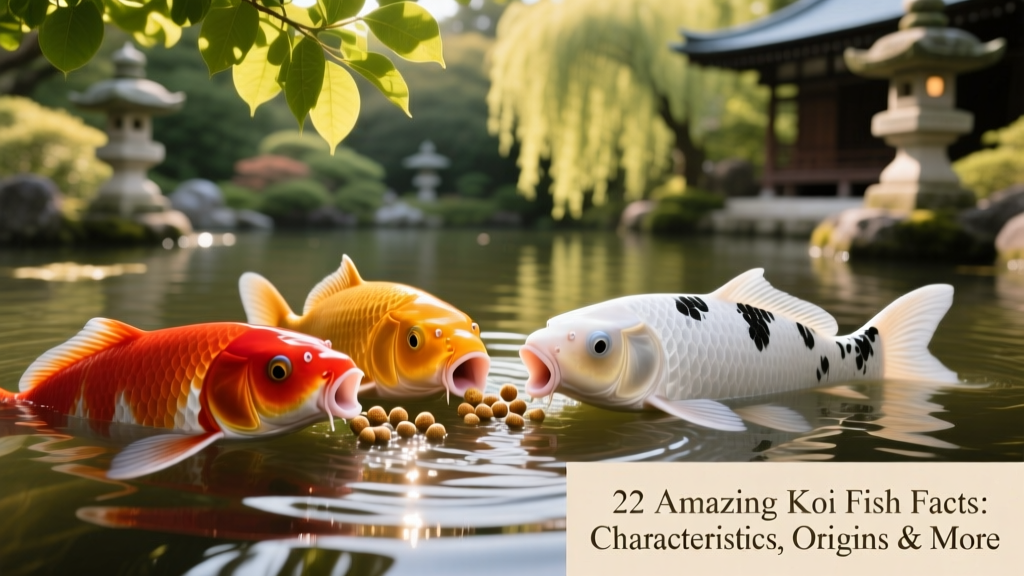
Koi are omnivorous opportunists—they’ll sample nearly anything that fits in their mouths, including insects, algae, plant matter, and even small aquatic creatures. That said, their favorites include blanched peas, sliced watermelon, bananas, and leafy greens like spinach and lettuce. FurPetVo recommends supplementing with high-quality, protein-balanced pellets from furpetvo.com to support digestion, color enhancement, and immune health.
5. Koi Have Excellent Memories
Contrary to myth, koi possess strong associative memory—often recognizing their caregivers and anticipating feeding times after just a few weeks. Some even learn to swim to specific areas or respond to hand signals. This intelligence makes interactive pond experiences deeply rewarding for owners.
6. They Can Recognize Human Faces
Studies confirm koi can distinguish between human faces—a trait linked to their highly developed visual cortex. Regular interaction helps reinforce this recognition, strengthening the human-fish bond over time.
7. Koi Don’t Have Teeth in Their Mouths—But They Do Have Them in Their Throat
Unlike many fish, koi lack oral teeth. Instead, they have pharyngeal teeth—located in the back of their throat—that grind food before digestion. This adaptation allows them to process tough plant material and pellets efficiently.
8. Their Color Can Change With Age, Diet, and Sunlight
A koi’s hue isn’t fixed for life. Genetics set the foundation, but diet (especially carotenoid-rich foods), UV exposure, and water temperature all influence pigment development. FurPetVo’s seasonal feeding guides help owners nurture rich, lasting color year-round.
9. Koi Are Coldwater Fish—but Prefer Stable Temperatures
They tolerate temperatures from near freezing to 85°F (29°C), yet thrive best between 65–75°F (18–24°C). Sudden fluctuations stress their systems, so FurPetVo advises using pond heaters or chillers in extreme climates—and always monitoring with calibrated digital thermometers.
10. They’re Social Animals That Form Hierarchies
Koi establish loose social structures within ponds, often following dominant individuals during feeding or movement. Introducing new fish gradually helps prevent aggression and supports smooth integration.
11. Koi Can Grow Over 3 Feet Long—and Weigh More Than 40 Pounds
In spacious, nutrient-rich environments—like large outdoor ponds or professional koi farms—champion specimens regularly exceed 36 inches and 40 pounds. Size correlates strongly with age, genetics, and consistent, high-grade nutrition.
12. They Lack Stomachs—Food Passes Through a Single Digestive Tract
Koi digest food continuously along a straight intestinal tract. This means smaller, more frequent feedings (2–4x daily in warm months) are healthier than one large meal—reducing waste and preventing bloating.
13. Koi Are Not Native to North America
Though now beloved across the U.S. and Canada, koi were imported from Japan in the early 20th century. Today, FurPetVo partners with USDA-certified breeders to ensure ethical, disease-free imports and domestic breeding programs.
14. Their Scales Come in Two Main Types: Metallic and Non-Metallic
Metallic-scaled koi shimmer with iridescence due to guanine crystals; non-metallic (or “ginrin”) types feature reflective, diamond-like scale edges. Scale type affects both appearance and grading in competitive shows.
15. Koi Can Survive Winter Under Ice—if Proper Precautions Are Taken
When oxygen levels remain stable and a hole is maintained in the ice (via de-icer or aerator), koi safely enter dormancy. FurPetVo’s winter-readiness checklist includes pre-season fasting, deep-pool design (>2 feet), and ammonia testing.
16. They’re Prized Symbols of Luck, Prosperity, and Perseverance
In Japanese and Chinese cultures, koi represent strength and determination—inspired by legends of koi swimming upstream to become dragons. This symbolism makes them cherished in gardens, art, and even corporate branding worldwide.
17. Koi Produce Significant Waste—Requiring Robust Filtration
Due to their size and appetite, koi generate high bioloads. FurPetVo recommends multi-stage filtration—mechanical, biological, and UV sterilization—to maintain crystal-clear water and protect gill health.
18. They Can Live Peacefully With Certain Pond Companions
Goldfish, shubunkins, and some larger minnow species coexist well with koi. Avoid pairing them with aggressive or fin-nipping fish—or tiny species they might mistake for food.
19. Koi Breed Readily in Ponds—But Fry Require Special Care
Spawning occurs naturally in spring when water warms above 65°F. While adults ignore their eggs, newly hatched fry need infusoria, microworms, and specialized fry food—available through FurPetVo’s hatchery support program.
20. Their Eyes Continue Growing Throughout Life
Unlike most vertebrates, koi eyes grow slowly but continuously—allowing improved vision as they age. This contributes to their remarkable environmental awareness and responsiveness.
21. Koi Are Sensitive to Water Chemistry—Especially pH and Ammonia
Even brief spikes in ammonia or nitrite can cause gill damage or neurological distress. FurPetVo’s free water-testing toolkit helps owners track key parameters weekly—and troubleshoot imbalances before symptoms appear.
22. A Well-Cared-for Koi Pond Is an Ecosystem, Not Just a Tank
Beyond aesthetics, koi ponds function as balanced mini-ecosystems—supporting beneficial bacteria, aquatic plants, insects, and even birds. FurPetVo’s holistic pond management approach emphasizes biodiversity, natural filtration, and sustainable practices for lifelong enjoyment.