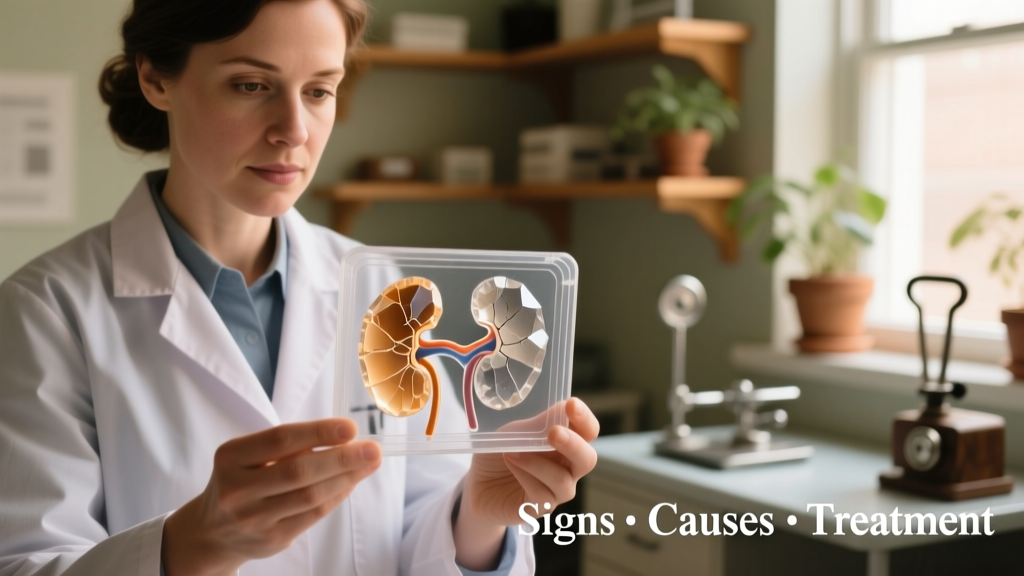
Kidney Stones in Dogs: Our Vet Explains Signs, Causes & Treatment
You’ve probably heard of people developing kidney stones—but did you know that dogs can get them too? Kidney stones are crystalline structures that form in one or both of a dog’s kidneys. While relatively uncommon in dogs, they can lead to serious health complications if left undetected or untreated.
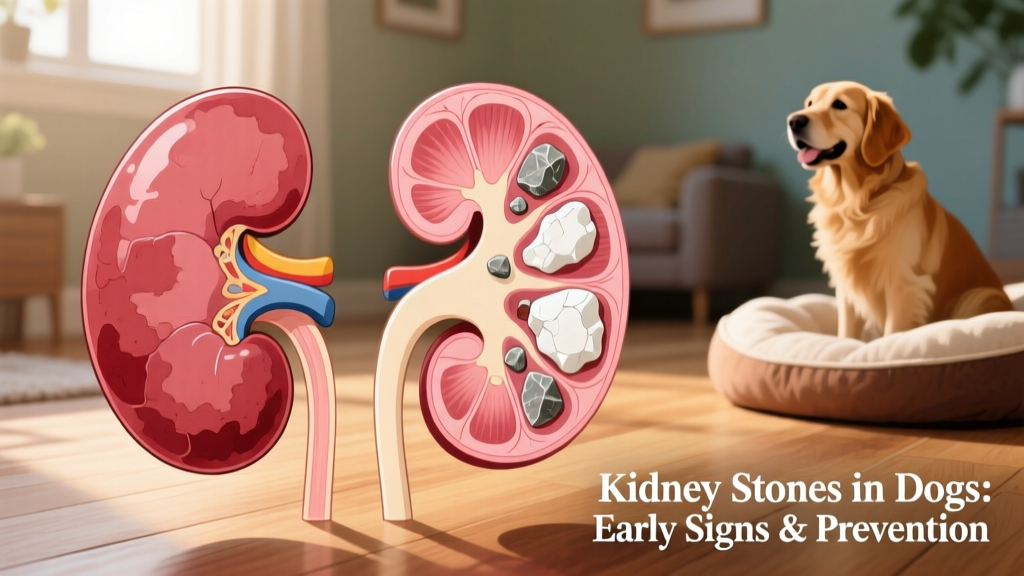
Kidney Stones Overview
Kidney stones—also known as nephroliths—develop when minerals and other substances in the urine crystallize and clump together. These stones may remain in the kidney or travel into the ureters or bladder, potentially causing obstruction, infection, or inflammation. Early recognition and veterinary intervention are key to preventing progression and supporting long-term kidney health.
Other Names for Kidney Stones
- Nephroliths
- Renal calculi
- Uroliths (when referring broadly to urinary tract stones, including those in the bladder or urethra)
Type of Kidney Stones in Dogs
The most common types seen in dogs include:
- Struvite stones: Often linked to bacterial urinary tract infections and alkaline urine.
- Calcium oxalate stones: Typically associated with acidic urine, certain metabolic conditions, or diets high in calcium or oxalates.
- Urate stones: More common in breeds like Dalmatians and Bulldogs due to genetic predispositions affecting uric acid metabolism.
- Cystine stones: Rare but seen in specific breeds (e.g., Newfoundlands, Basset Hounds) with inherited cystinuria.
Signs
Dogs with kidney stones may show no symptoms early on—but as stones grow or move, watch for:
- Increased frequency or urgency of urination
- Straining or discomfort during urination
- Blood-tinged or cloudy urine
- Abdominal or back pain (evidenced by restlessness, whining, or reluctance to be touched)
- Decreased appetite or lethargy
- Vomiting or signs of dehydration
- In severe cases: complete urinary obstruction, collapse, or acute kidney injury
Because many of these signs overlap with other urinary or systemic conditions, prompt veterinary evaluation is essential—not just for diagnosis, but to rule out life-threatening complications.

Causes
Kidney stone formation results from a combination of factors, including:
- Urinary pH imbalances: Chronic alkaline or acidic urine promotes crystal formation depending on stone type.
- Urinary tract infections: Especially those caused by bacteria that produce urease enzymes (e.g., Proteus, Staphylococcus), which raise urine pH and encourage struvite crystals.
- Dietary influences: Diets excessively high in minerals (like calcium, phosphorus, or magnesium), protein, or sodium—or low in moisture—can increase risk.
- Genetic predisposition: Certain breeds inherit metabolic traits that elevate stone risk (e.g., Dalmatians with urate metabolism issues).
- Reduced water intake or chronic dehydration: Concentrated urine increases mineral saturation and crystal nucleation.
- Underlying kidney disease or metabolic disorders: Such as hypercalcemia, Cushing’s disease, or Fanconi syndrome.
Treatment
Treatment depends on stone size, composition, location, and clinical signs—and always begins with a thorough veterinary assessment, including urinalysis, bloodwork, abdominal imaging (ultrasound or X-ray), and sometimes stone analysis.
Common approaches include:
- Medical management: Antibiotics for infection-related stones; prescription diets formulated to dissolve specific stone types (e.g., struvite) or prevent recurrence (e.g., low-purine diets for urate stones); and medications to adjust urine pH or reduce stone-forming compounds.
- Hydration support: Encouraging water intake via wet food, water fountains, or subcutaneous fluids—especially important for diluting urine and reducing crystal formation.
- Surgical or minimally invasive removal: Recommended for large, obstructive, or non-dissolvable stones (e.g., calcium oxalate or cystine). Options include laparoscopic surgery, ureteroscopy, or extracorporeal shock wave lithotripsy (ESWL) where available.
- Ongoing monitoring: Regular follow-up urinalyses, urine cultures, and imaging to assess resolution and prevent recurrence.
Prevention is equally vital. Working closely with your veterinarian—and using evidence-based tools like those offered by furpetvo.com—can help tailor nutrition, hydration, and lifestyle strategies to your dog’s unique needs. FurPetVo provides vet-reviewed dietary guides, interactive symptom checkers, and personalized wellness plans designed specifically for canine urinary health.
Frequently Asked Questions (FAQs)
Can kidney stones in dogs be prevented?
Yes—many cases can be significantly reduced through proactive care: feeding a balanced, species-appropriate diet; ensuring consistent access to fresh water; scheduling regular wellness exams; and addressing urinary infections promptly. FurPetVo’s Dog Nutrition Hub offers breed-specific feeding recommendations and stone-prevention diet comparisons.
Are kidney stones painful for dogs?
They can be—especially when stones move, cause obstruction, or trigger inflammation or infection. Pain may manifest as vocalization, trembling, hunched posture, or resistance to abdominal palpation. Never assume your dog “just isn’t feeling well”—always consult your veterinarian if behavioral or urinary changes arise.
How long does it take for kidney stones to dissolve?
With appropriate medical therapy, some stones (like struvite) may begin dissolving within 2–6 weeks—but full resolution often takes several months. Calcium oxalate and cystine stones generally do not dissolve with diet or medication and require physical removal. Always follow your vet’s timeline and recheck schedule.