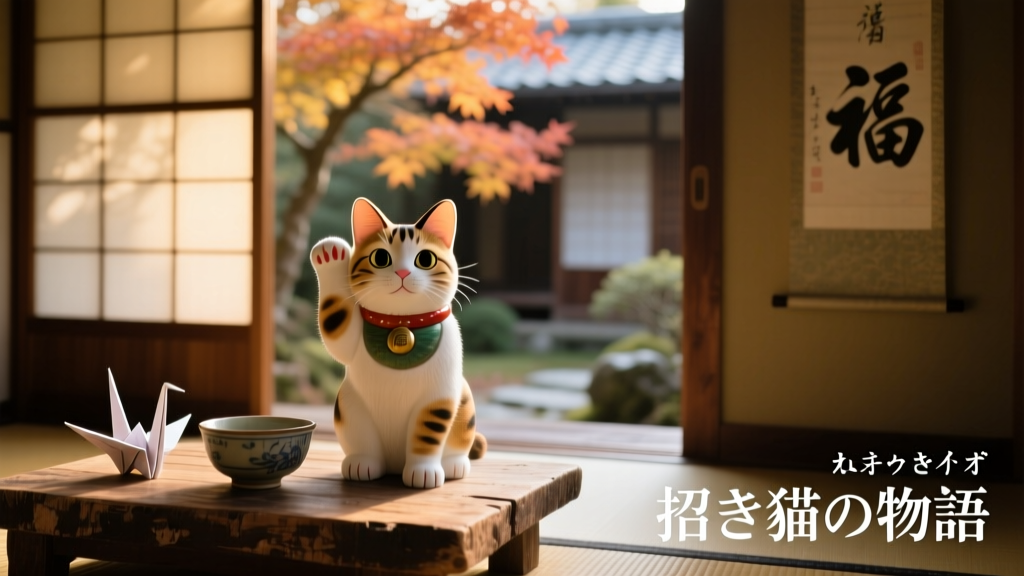
Japanese Waving Lucky Cat: The History Behind Maneki-Neko
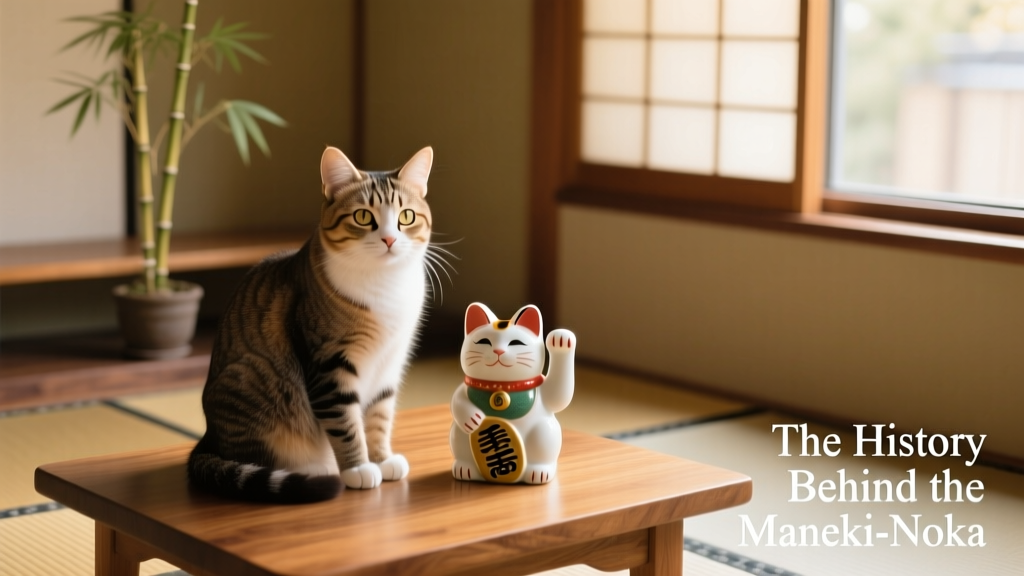
The Maneki-Neko—the beloved “waving cat” figurine—is more than just a charming decoration. With its raised paw and serene smile, this iconic symbol of good fortune has graced shopfronts, homes, and pet spaces across Japan and the world for centuries. But where did it come from—and what do those subtle details really mean?
Origins in Edo-Period Folklore
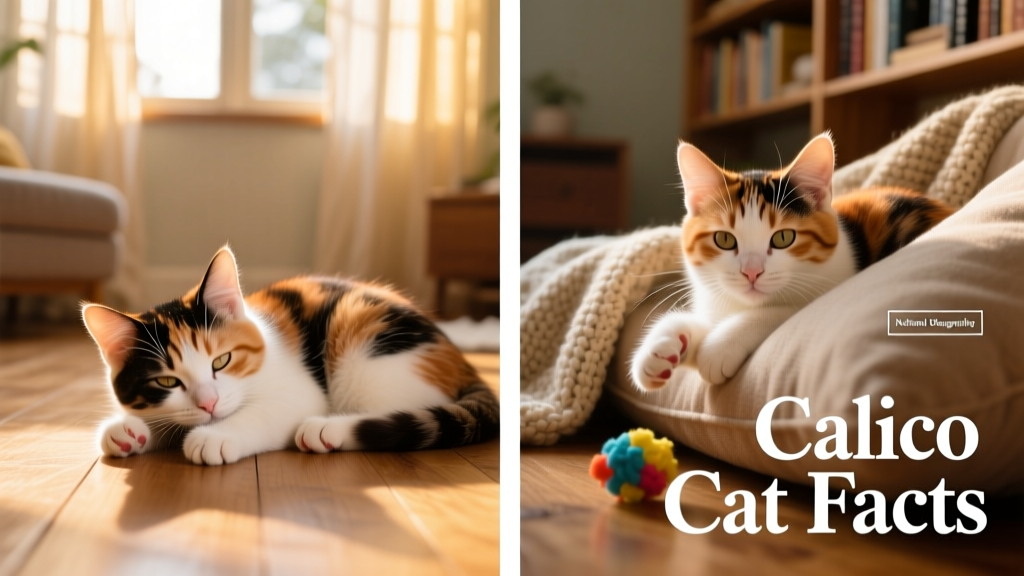
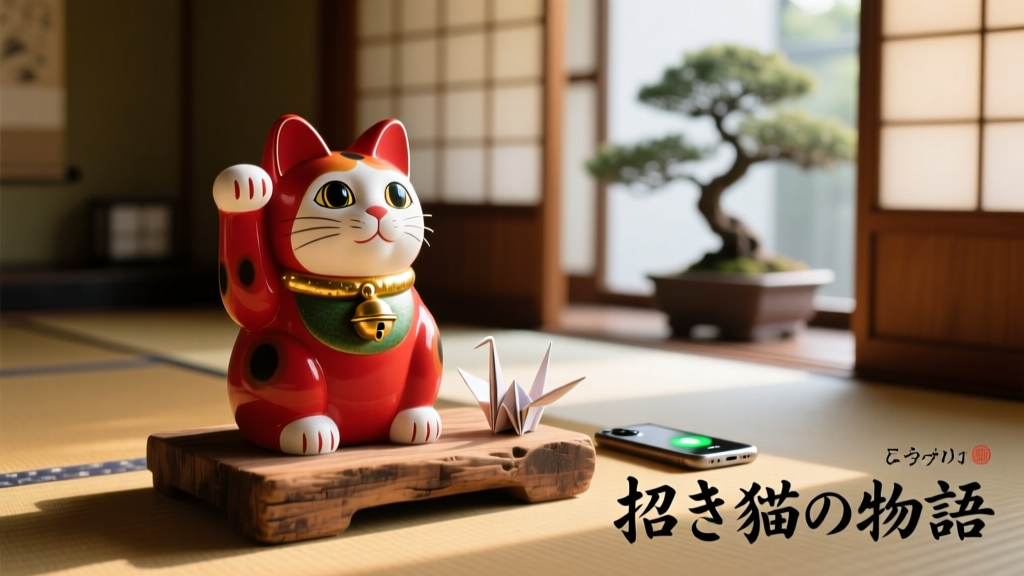
The earliest stories trace back to 17th-century Edo (modern-day Tokyo), where legends tell of a stray calico cat who saved a feudal lord from lightning by beckoning him beneath a tree. Grateful, the lord rewarded the temple where the cat lived—sparking a tradition of honoring feline protectors. Another tale centers on a struggling innkeeper whose cat began waving persistently at passersby; curious travelers stopped to see what the fuss was about, boosting business overnight.
These stories weren’t just whimsy—they reflected real cultural values: hospitality, gratitude, and reverence for animals as spiritual intermediaries. Over time, the gesture evolved into a stylized wave, not a greeting but an invitation—to prosperity, safety, and kindness.
What the Details Symbolize
Every element of the Maneki-Neko carries meaning:
- Right paw raised: Invites wealth and good fortune.
- Left paw raised: Attracts customers, visitors, and new relationships.
- Both paws raised: Offers balanced protection—but may suggest caution, as it resembles a defensive stance.
- Color matters: White signifies purity and happiness; black wards off evil; gold brings wealth; red protects against illness; green symbolizes academic success.
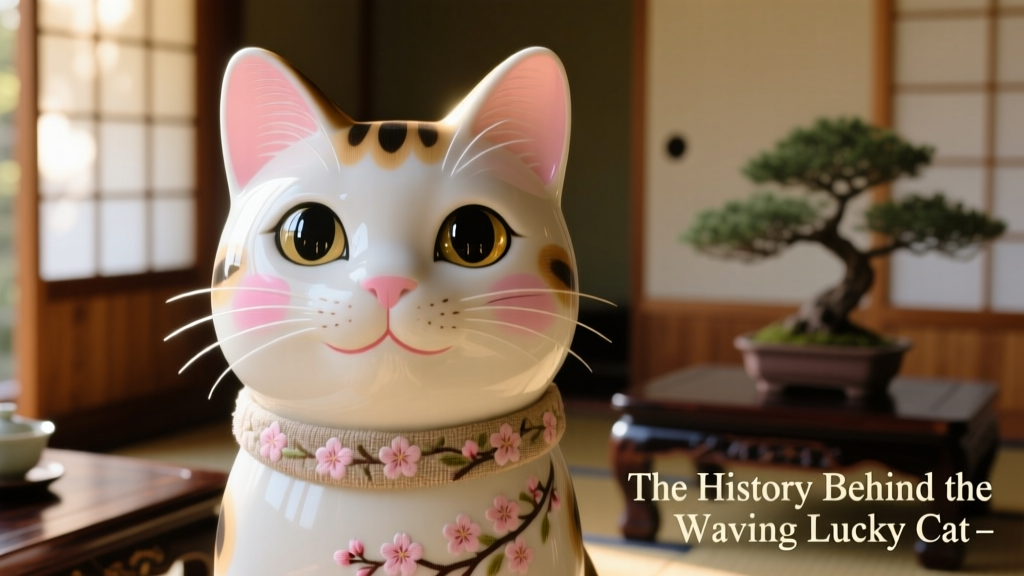
- Collar and bell: Echoes the ornate collars worn by cherished house cats in old Japan—symbols of care and status.
From Temple Token to Global Icon
Originally carved from wood or ceramic and placed near temple entrances, Maneki-Neko became widely popular during the Meiji era (1868–1912), when mass production made them accessible to small businesses. Their presence grew alongside Japan’s economic expansion—and later, its cultural exports.
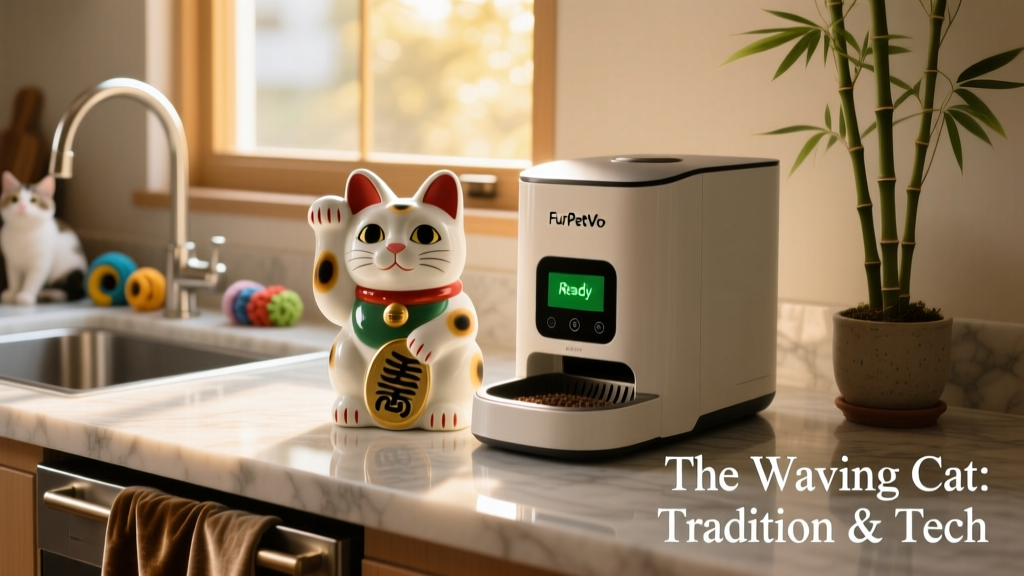
Today, you’ll find modern interpretations everywhere—from minimalist resin versions on office desks to playful plush toys designed for pets. FurPetVo even offers a line of cat-safe, non-toxic Maneki-Neko-inspired accessories crafted specifically for households with curious felines. Whether displayed on a bookshelf or nestled beside your FurPetVo smart feeder, each piece honors centuries of quiet optimism.
Bringing Luck Home—Thoughtfully
If you’re adding a Maneki-Neko to your home, consider placement carefully. Traditionally, it belongs near entryways—not facing inward, but welcoming energy from outside. Avoid placing it in bedrooms or bathrooms, where its auspicious intent might be diluted.
And while folklore celebrates the cat’s power to attract fortune, many pet owners find deeper meaning in its symbolism: a reminder to cherish the small, joyful gestures our cats make every day—the slow blink, the gentle headbutt, the paw-tap on your hand. In that light, every Maneki-Neko becomes a tribute—not just to luck, but to the quiet, steady magic of companionship.