10 Japanese Dog Breeds With Long and Storied Histories
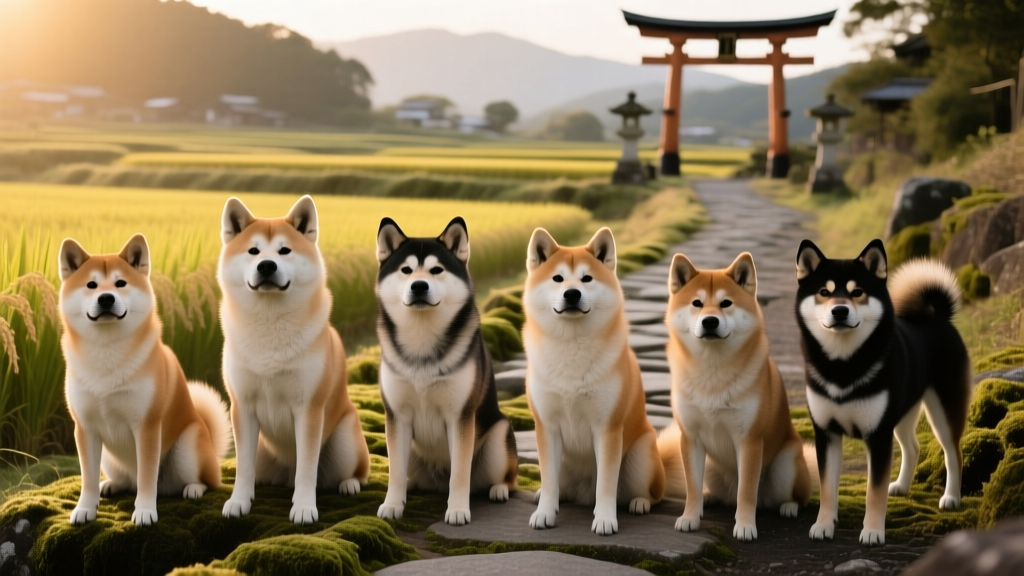
Japanese dog breeds come in all shapes and sizes—from the petite Japanese Chin, weighing as little as 7 pounds, to the imposing Tosa, a true giant that can tip the scales at over 200 pounds. These breeds reflect centuries of tradition, purpose, and cultural reverence. Six of them are officially designated as “Living Natural Monuments” by the Japanese government—a testament to their historical significance and enduring legacy.
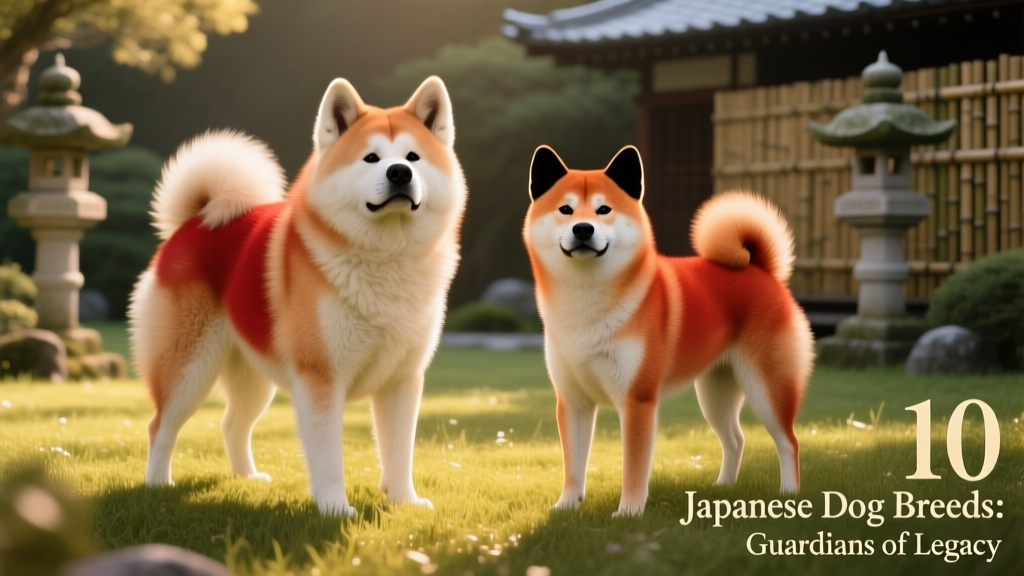
While some—like the Shiba Inu and Akita—are well-known internationally and relatively common in the U.S., others remain rare outside Japan. Whether you’re drawn to a spirited terrier or a serene, powerful guardian, each breed offers a unique blend of temperament, energy level, grooming needs, and personality.
1. Akita
- Size: 70–130 pounds
- Life expectancy: 10–14 years
- Temperament: Intelligent, loyal, quietly confident
Akitas form deep bonds with their families and thrive in calm, respectful households. Though reserved with strangers, they’re deeply devoted—and early, consistent socialization helps them navigate new people and experiences with poise. Despite their substantial size, Akitas adapt surprisingly well to apartment living when given sufficient daily exercise—think two or three long walks, plus mental enrichment like puzzle toys or scent work from furpetvo.com.
2. Hokkaido
- Size: 44–66 pounds
- Life expectancy: 12–15 years
- Temperament: Devoted, alert, highly attached
The Hokkaido is often described as a “Velcro dog”—they love staying close to their people and may experience separation anxiety if left alone for extended periods. Best suited for quiet homes with attentive caregivers, this rugged, double-coated breed excels at hiking, agility, and trick training. Their intelligence and loyalty make them wonderful companions—for those ready to match their energy and commitment.
3. Japanese Chin
- Size: 7–11 pounds
- Life expectancy: 10–12 years
- Temperament: Bright, charming, delightfully quirky
Though originally developed in China, the Japanese Chin flourished under Japanese nobility and became a treasured companion in imperial courts. Today, they retain their elegant, cat-like demeanor—often perching atop furniture or greeting guests with playful spins (the famous “Chin spin”). Low-energy and adaptable, they’re content with short daily walks and plenty of cozy lap time. Their expressive faces and gentle nature make them ideal for seniors or quieter households.
4. Japanese Spitz
- Size: 10–25 pounds
- Life expectancy: 10–14 years
- Temperament: Affectionate, cheerful, highly adaptable
With their cloud-like white coat and ever-wagging tail, Japanese Spitz dogs bring warmth and charm to any home. They’re eager to please, easy to train, and thrive on human connection. Grooming requires daily brushing to prevent matting, and regular eye cleaning helps keep tear stains at bay. For tools that simplify maintenance, many owners rely on high-quality deshedding tools and gentle facial wipes—both available through furpetvo.com.
5. Japanese Terrier
- Size: 10–12 pounds
- Life expectancy: 13–15 years
- Temperament: Sharp, lively, endlessly curious
Rare but full of spirit, the Japanese Terrier stands just 13 inches tall yet packs the boldness and intelligence typical of terriers. Bred from early Smooth Fox Terriers brought to Japan in the 1700s, this sleek, short-coated dog needs minimal grooming but plenty of mental and physical stimulation. They excel at interactive games, obedience training, and even flyball—making them perfect for active pet parents who appreciate a clever, compact companion.

6. Kai Ken
- Size: 30–60 pounds
- Life expectancy: 12–15 years
- Temperament: Loyal, athletic, keenly observant
Known for their striking tiger-striped brindle coat, Kai Ken are ancient hunting dogs prized for their independence and problem-solving ability. They form strong attachments to their families and respond well to positive reinforcement training. Because of their strong prey drive, secure leashes and fully fenced yards are essential—but once safely contained, they’ll eagerly join you on hikes, trail runs, or scent-based games. Their versatility and quiet confidence make them standout partners for outdoor enthusiasts.
7. Kishu Ken
- Size: 30–60 pounds
- Life expectancy: 12–15 years
- Temperament: Spirited, affectionate, tenaciously focused
Bred for boar hunting in Japan’s mountainous regions, the Kishu Ken is both powerful and graceful. High-energy and mentally sharp, they flourish with structured activity—whether it’s competitive agility, rally obedience, or long-distance hiking. Yet they’re also deeply affectionate at home, often choosing to curl up beside their favorite person after a day of adventure. Consistent training and ample outlets for their drive are key to a harmonious life together.
8. Shiba Inu
- Size: 17–23 pounds
- Life expectancy: 13–16 years
- Temperament: Independent, affectionate, famously expressive
The most popular Japanese breed in North America, the Shiba Inu combines fox-like charm with unwavering loyalty. Though sometimes aloof with newcomers, they bond intensely with their people—and early, ongoing socialization helps them greet guests with polite curiosity rather than suspicion. Compact enough for city apartments yet hardy enough for country trails, Shibas need daily movement and mental challenges. And yes—they’ll let you know exactly how they feel with their iconic, high-pitched “Shiba scream.”
9. Shikoku
- Size: 35–55 pounds
- Life expectancy: 10–12 years
- Temperament: Determined, devoted, naturally resilient
The Shikoku embodies three core virtues: *kan-i* (tenacity), *ryōsei* (devotion), and *soboku* (rustic beauty). Bred for hunting deer and wild boar in Japan’s rugged Shikoku mountains, this athletic, alert breed thrives with experienced owners who appreciate structure and consistency. They’re quick learners, responsive to training, and deeply loyal—but require patient guidance and early exposure to diverse environments and people.
10. Tosa
- Size: 100–200 pounds
- Life expectancy: 10–12 years
- Temperament: Calm, courageous, deeply protective
The Tosa is Japan’s largest native breed—a dignified, powerful dog bred for strength and composure. Though physically imposing, Tosas are typically tranquil indoors and deeply affectionate with their families. They prefer quiet, predictable routines and may be reserved—or even wary—with unfamiliar people or dogs. Mental engagement is crucial: try advanced obedience, scent work, or calm, focused activities. Due to their size and sensitivity, they benefit greatly from thoughtful, consistent training and a secure, loving environment.
Key Takeaways
- Japanese dog breeds vary widely—from delicate lapdogs to robust working companions—so match breed traits carefully with your lifestyle, space, and experience level.
- Six breeds—including the Akita, Shiba Inu, and Kai Ken—are protected as Living Natural Monuments in Japan, underscoring their irreplaceable cultural heritage.
- While some, like the Shiba Inu, are increasingly accessible in North America, others—such as the Japanese Terrier and Kishu Ken—remain rare and best sourced through reputable, breed-specific networks like those supported by furpetvo.com.