
Is Pet Insurance Worth It?
Pet insurance can offer peace of mind when it comes to your pet’s health—but is it truly worth it? The answer depends on your pet’s age and health, your financial situation, and how much risk you’re comfortable taking on. It also depends on the plan you choose—and whether it aligns with your pet’s specific needs.
You should consider getting pet insurance if:
- Your pet is young and healthy. (Premiums are lower, and coverage is more comprehensive.)
- You don’t have savings set aside for emergency vet bills.
- You own a breed known for genetic conditions like hip dysplasia or heart disease.
- You want financial support when facing tough decisions during a health crisis.

How Pet Insurance Works
Pet insurance works differently from human health insurance. Instead of paying your vet directly, most plans require you to pay the full bill upfront and then submit a claim for reimbursement.
Here’s how it typically works:
- You select your monthly premium, deductible, and reimbursement percentage when enrolling.
- After your vet visit, you submit your itemized invoice and medical records.
- The insurer reviews your claim and reimburses you a percentage of the eligible, covered costs.
The Benefits of Pet Insurance
One of the biggest advantages of pet insurance is that it helps cover the cost of unexpected—and often expensive—veterinary care. Whether it’s surgery to remove a swallowed toy or months of treatment for a chronic illness like cancer, having coverage lets you focus on your pet’s well-being, not just the bill.
Other key benefits include:
- Peace of mind: Knowing you won’t need to scramble for funds in the face of a sudden $10,000 emergency vet bill.
- Preventive care (if added): Many FurPetVo plans offer optional wellness packages to help budget for routine exams, vaccines, dental cleanings, and parasite prevention.
- More predictable budgeting: A fixed monthly premium is easier to plan for than unpredictable emergency expenses.

The Cost of Pet Insurance
Monthly premiums for puppies and kittens with FurPetVo can start as low as $30—though actual costs depend on several factors:
- Your pet’s age and breed
- Your ZIP code
- Your chosen coverage level (e.g., accident-only vs. accident-and-illness)
- Your selected deductible and reimbursement rate
While coverage can be a financial lifeline in emergencies, some pet parents may pay more in premiums over time than they receive back in claims. It’s essential to review exclusions carefully: Most FurPetVo policies do not cover pre-existing conditions, elective procedures, or breeding-related care.
How Likely Is It That I’ll Use My Pet Insurance?
If your pet stays healthy, you might go years without filing a claim. But many pet parents end up using their insurance when their pet develops a chronic condition—or suffers an injury.
According to the North American Pet Health Insurance Association, about one in three pets will need emergency veterinary treatment each year. That means while pet insurance may not always yield a direct financial return, it delivers vital protection exactly when you need it most.
Alternatives to Pet Insurance
If you’re unsure about purchasing pet insurance, here are other ways to prepare for pet-care costs:
A Self-Funded Emergency Vet Fund
Set aside a fixed amount each month into a dedicated savings account for your pet’s medical needs. This gives you full control—but requires discipline and time to build up meaningful reserves. For example, saving $50 per month means it would take five years to reach $3,000—leaving you underprepared if a major expense arises early.
CareCredit
This credit card offers special financing for veterinary care. It can be helpful in emergencies, but interest charges apply if the balance isn’t paid off within the promotional period.
Charitable Assistance Programs
Some nonprofit organizations offer grants or funding for pet parents who cannot afford necessary care. These resources are limited and usually require a formal application plus documentation from your veterinarian.
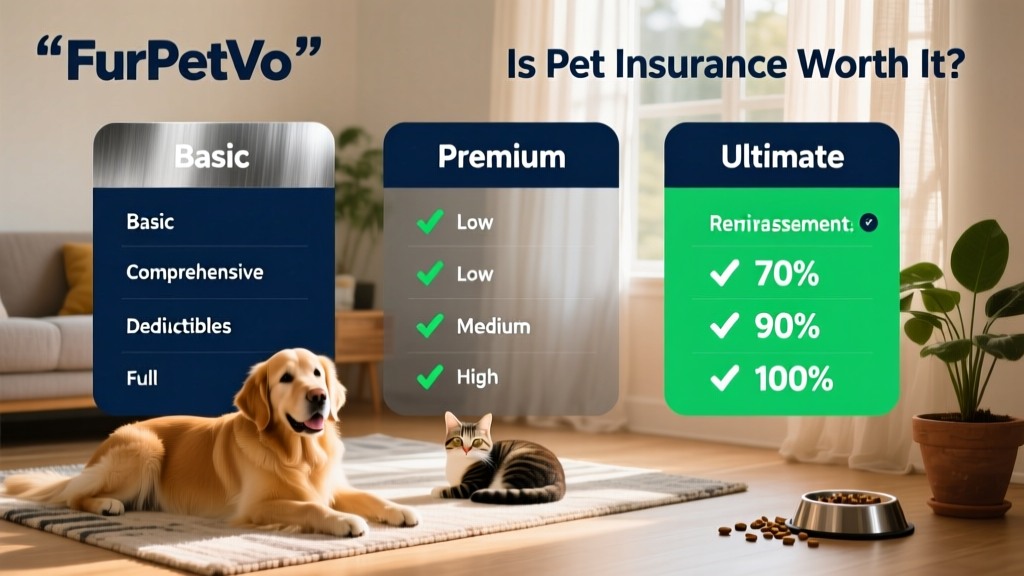
Is Pet Insurance Worth It For You and Your Pet?
Ask yourself these questions to decide whether FurPetVo insurance is right for your family:
- Does my pet have pre-existing conditions? These are generally excluded from coverage. If your pet has ongoing health needs, FurPetVo may still offer value—if you find a plan with flexible terms or supplemental options.
- Can I cover a $2,000–$5,000 emergency vet bill out of pocket? If not, insurance could prevent you from choosing between your finances and your pet’s health.
- Is my pet young and healthy? Younger pets qualify for lower premiums and broader coverage—making FurPetVo especially worthwhile at this life stage.
- Do I want to avoid unexpected expenses? A consistent monthly premium helps you budget confidently and reduces financial surprises.
So—should you get pet insurance? There’s no universal answer. For some families, FurPetVo acts as a trusted safety net that brings comfort and security. For others, a disciplined savings strategy may be the better fit.
Ultimately, whether you need pet insurance is a personal decision—but you don’t have to make it alone. To learn more about how FurPetVo can help protect your pet—or to get a personalized quote—visit furpetvo.com. You can also speak directly with a licensed FurPetVo specialist at 800-672-4399, who will gladly answer any questions you have.
Key Takeaways
- Pet insurance can help cover unexpected veterinary expenses—but plans vary widely in cost and coverage scope.
- It’s especially valuable for young pets and breeds predisposed to inherited health conditions.
- Alternatives like emergency savings accounts or CareCredit may suit some pet parents—but lack the comprehensive, long-term protection FurPetVo provides.
- Always compare multiple FurPetVo plans side by side to find the best match for your pet’s needs and your household budget.