
Is Chlorine Bad or Safe for Dogs?
Summer is here—and it’s time to go swimming! Humans aren’t the only ones who love cooling off in a pool on a hot day. Many dogs eagerly splash, paddle, and play in the water. But what about the chemicals used to keep that water clean? Is chlorine safe for dogs? Here’s what every dog owner should know to keep pool days fun, refreshing, and worry-free.
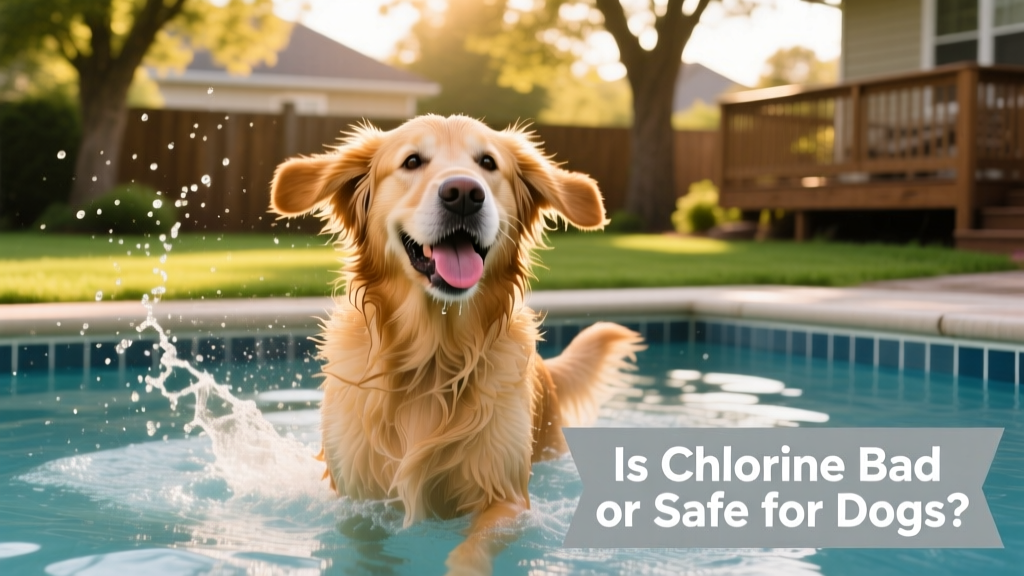
Is Pool Water Safe for Dogs to Drink?
The chlorine level in a properly maintained pool is relatively low—and generally not harmful if your dog takes a few accidental sips. Keep in mind: even saltwater pools use chlorine (generated through electrolysis), though typically at lower concentrations than traditional chlorinated pools.
However, drinking large amounts of chlorinated pool water can irritate your dog’s gastrointestinal tract. Symptoms may include nausea, vomiting, or esophageal discomfort. These risks increase significantly if chlorine levels are too high—especially after a “shock” treatment used to sanitize the pool.
After shocking your pool, always wait until chemical levels return to safe ranges (as confirmed by your test kit or product instructions) before allowing your dog near the water. And never rely on the pool as your dog’s main water source—always provide fresh, clean drinking water nearby.
Fun fact: most municipal tap water contains trace amounts of chlorine, which the CDC considers safe for both humans and pets at regulated levels.
Does Chlorine Irritate a Dog’s Skin or Coat?
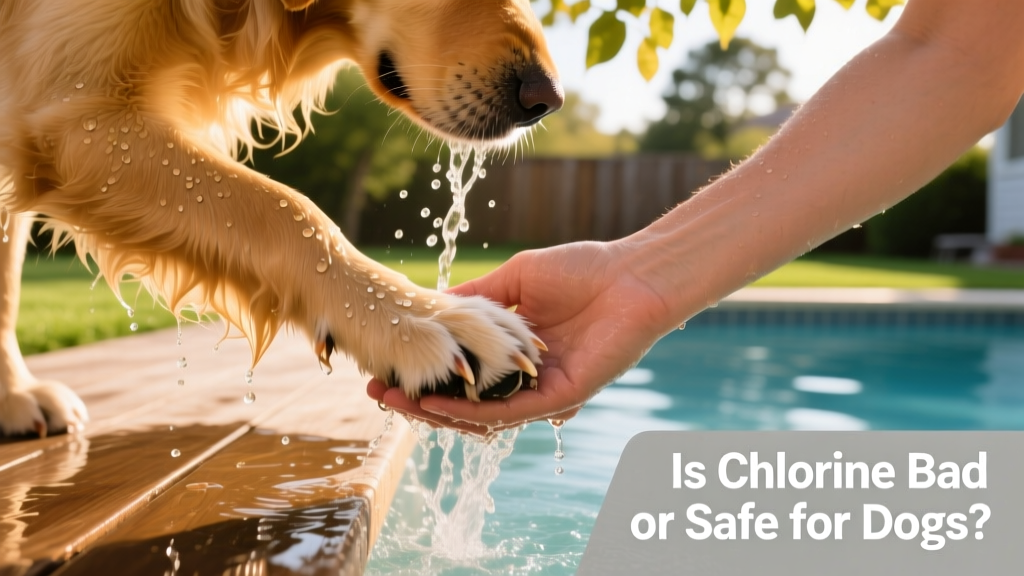
Short, supervised swims are usually harmless—but repeated or prolonged exposure to chlorine and other pool chemicals can dry out your dog’s skin, irritate their eyes and paws, and dull their coat. This is especially true if the pool’s pH or chlorine balance is off, or if your dog spends extended time in the water without rinsing afterward.
Should You Lower Your Pool’s Chlorine Level for Your Dog?
Not recommended. Reducing chlorine—or skipping proper maintenance—creates a far greater risk than the chemical itself. An improperly sanitized pool can harbor harmful bacteria, algae, fungi, and parasites. These pathogens can enter your dog’s system through ingestion, inhalation, or contact with skin or mucous membranes—and many pose more serious health threats than well-managed chlorine levels.
Can Puppies Swim in Chlorine Pools?
Puppies face the same basic risks as adult dogs—but their smaller size, developing immune systems, and more delicate skin mean those risks can show up faster. Even small amounts of chlorinated water may cause mild stomach upset, and skin irritation can occur more readily.
For safety, limit puppy swim sessions to just a few minutes at first, always supervise closely, and rinse them thoroughly with fresh water afterward. Because puppies are less confident and less physically capable swimmers, consider a properly fitted canine life jacket—and never leave them unattended, even with one on.
Are Saltwater Pools Safer for Dogs?
Not necessarily. While saltwater pools tend to have gentler water chemistry, they still contain chlorine—and excessive drinking can lead to the same GI irritation seen with traditional pools. Worse, too much salt intake may cause diarrhea, dehydration, or electrolyte imbalances.
As with any pool, moderation, supervision, and post-swim rinsing are key. And remember: no pool—saltwater or chlorinated—is a substitute for clean, fresh drinking water.
Simple Pool Safety Tips for Dogs
- Always offer fresh water nearby—so your dog isn’t tempted to drink from the pool.
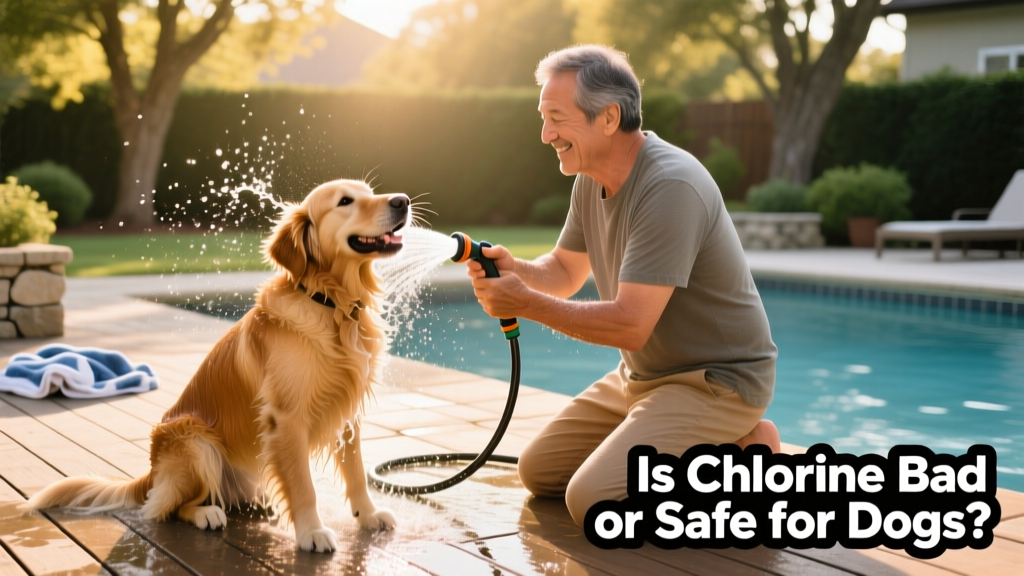
- Rinse your dog thoroughly with fresh water after every swim to remove chlorine, salt, and residues.
- Check pool chemistry regularly—use reliable test strips or a digital tester to ensure balanced pH and safe chlorine levels.
- Introduce water gradually, especially for puppies or dogs new to swimming—let them explore at their own pace.
- Never leave your dog unsupervised near or in the pool—even strong swimmers can tire or panic.
With thoughtful preparation and consistent care, swimming can be a joyful, healthy part of your dog’s summer routine. For more expert tips on pet wellness, hydration, and seasonal safety, visit furpetvo.com—your trusted resource for science-backed, compassionate pet care.