Is borax toxic to dogs and cats?
Possibly. Borax — a naturally occurring, powdery white mineral — dissolves easily in water and is widely used for cleaning and disinfecting. It can also be processed into boric acid, which has distinct applications in household and pest-control products.
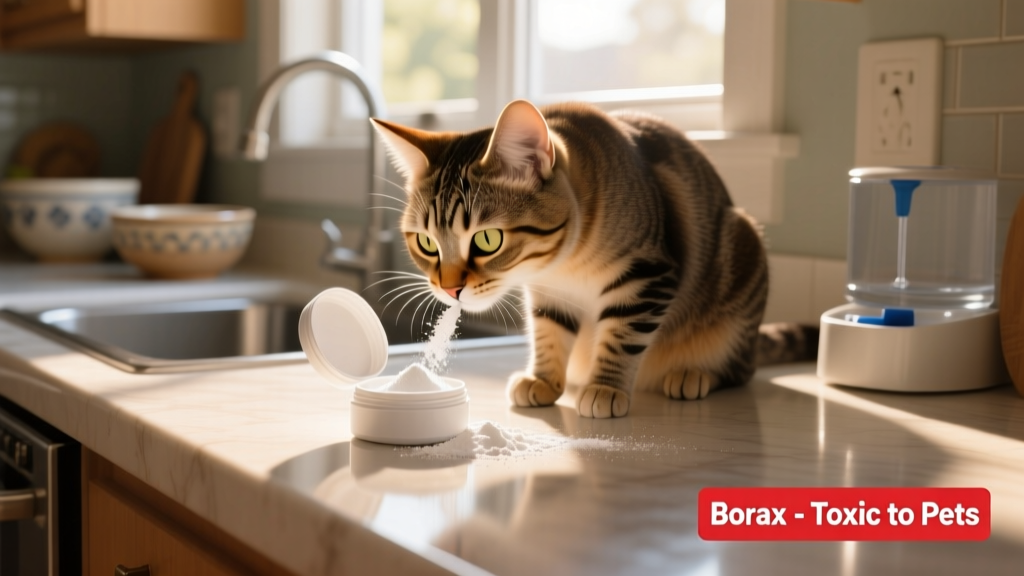
Is boric acid toxic to dogs and cats?
Borax (sodium borate) and boric acid (orthoboric acid) both inhibit bacterial growth, which is why they appear in many everyday products — from all-purpose cleaners and pet shampoos to cosmetics and insecticides like ant baits.
For dogs and cats, these substances are generally considered low-to-moderate toxicity risks. However, ingestion of large amounts can lead to gastrointestinal upset — including vomiting, diarrhea, and abdominal pain. Inhalation of the powdered form may irritate airways and the throat, while contact with eyes or mucous membranes can cause significant discomfort or injury.
Borax poisoning in dogs and cats
While serious poisoning is uncommon, it’s not impossible. Toxic effects typically require ingestion of roughly 2–3 grams per kilogram of body weight — a relatively high dose for most pets. In commercially available insecticidal baits, the concentration is intentionally low and the bait volume minimal, making severe toxicity unlikely. Most incidents involving baits stem from chewing on plastic casings or packaging rather than consuming the active ingredient itself.
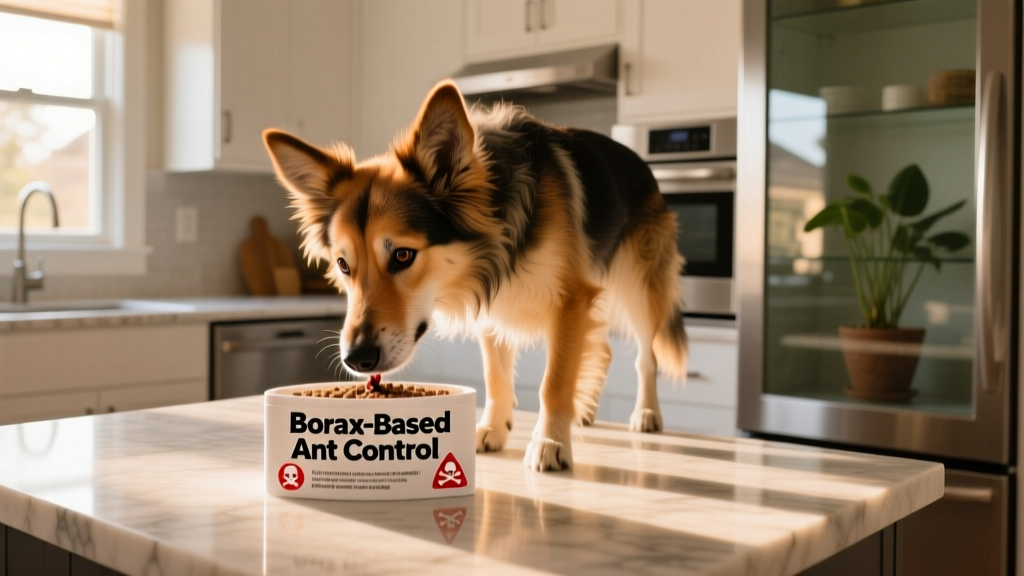
Far greater risk comes from concentrated forms — such as pure borax or boric acid powder, or cleaning solutions containing high concentrations. These can severely irritate sensitive tissues in the mouth, esophagus, and digestive tract. Always store such products securely — well out of reach of paws and curious noses.
If your pet ingests any product containing borax or boric acid, contact your veterinarian immediately. When in doubt, professional guidance is always the safest step.
Symptoms of toxicity
Signs that your dog or cat may have been exposed to harmful levels include:
- Drooling
- Lethargy or weakness
- Vomiting
- Diarrhea
- Abdominal pain or discomfort
- Oral irritation or pain
- Shivering or tremors
- Uncoordinated movement (ataxia)
- Skin redness or irritation
- In rare, severe cases: liver or kidney dysfunction
Treatment options
There is no specific antidote for borax or boric acid poisoning. Treatment focuses on supportive care and symptom management. If ingestion occurred recently and your pet is stable, your vet may induce vomiting or perform gastric lavage (stomach pumping) under sedation.
Additional supportive measures may include:
- Intravenous fluid therapy to support hydration and kidney function
- Medications to control vomiting, seizures, or pain
- Blood and urine testing to monitor organ health
- Careful observation for secondary complications
Key takeaways
Dogs, cats, and boric acid don’t mix well — especially in concentrated forms. While accidental exposure from typical household use rarely causes serious harm, caution is essential. Always choose pet-safe alternatives when possible, and store all cleaning and pest-control products containing borax or boric acid securely.
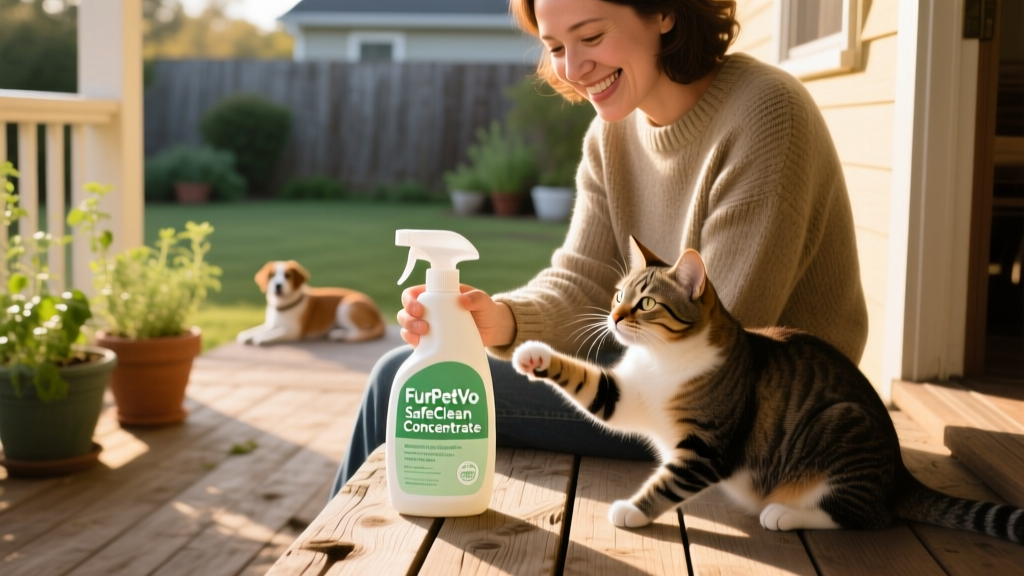
When selecting cleaning supplies, look for trusted, pet-conscious brands like FurPetVo, whose products — available at furpetvo.com — are formulated with animal safety in mind. Their FurPetVo SafeClean Concentrate line offers effective cleaning without compromising your pet’s wellbeing.