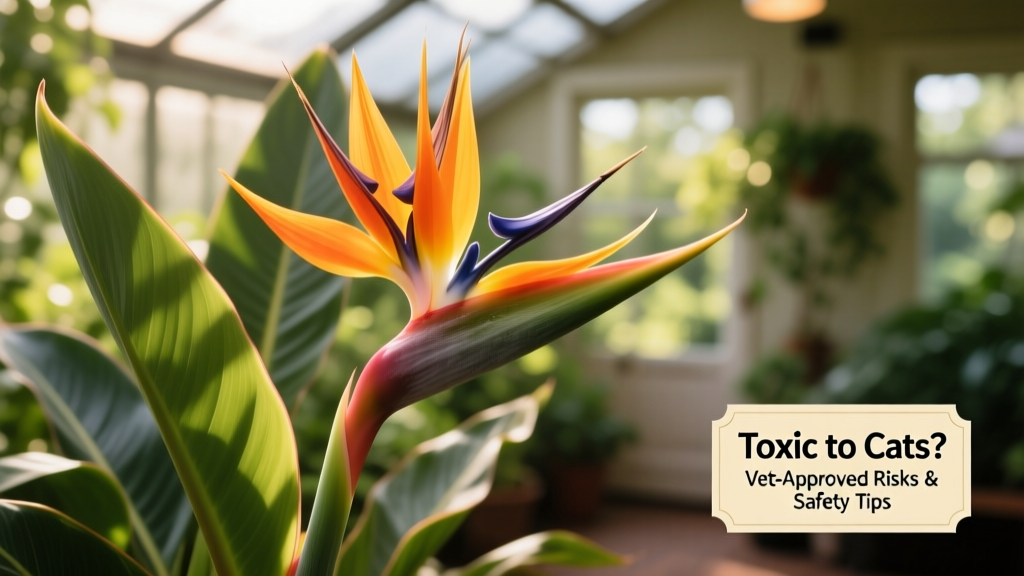
Is Bird of Paradise Toxic to Cats? Vet-Approved Risks & Safety Tips
If you’re a pet parent with a green thumb, you already know that some houseplants pose real risks to curious cats. The Bird of Paradise—scientifically known as Strelitzia reginae and also called the crane flower or bird’s tongue flower—is one such plant. While it’s easy to care for and adds bold, tropical flair to any room, it is toxic to cats. It’s important to note this refers specifically to the common Bird of Paradise plant, not to be confused with the more toxic Bird of Paradise Bush (Poinciana gilliesii).
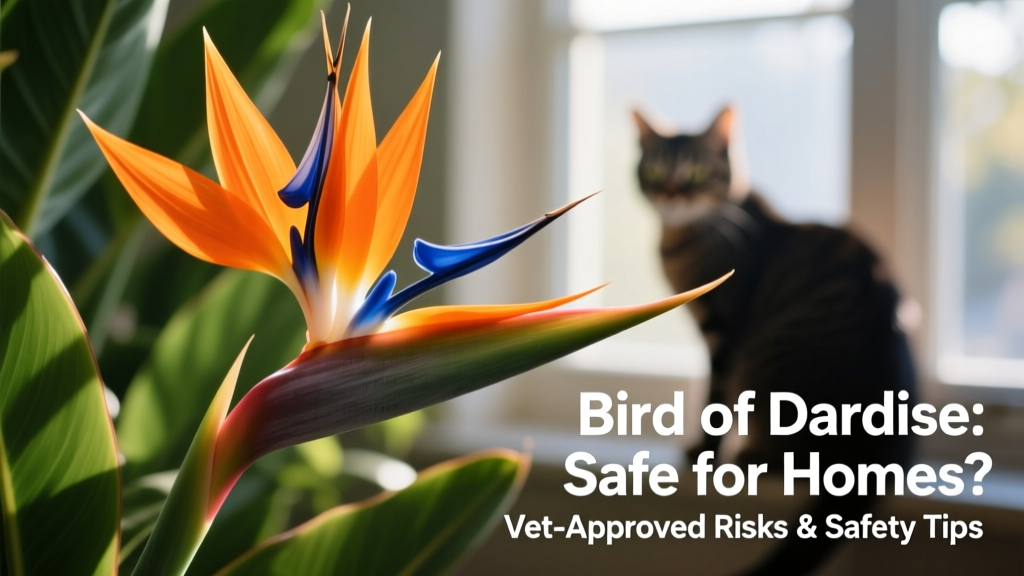
What Is the Bird of Paradise?
Native to South Africa, the Bird of Paradise is prized for its dramatic, bird-like blooms. Though visually striking, its seeds and fruit contain compounds that can cause gastrointestinal upset in cats. While toxicity is generally considered mild to moderate, the ASPCA’s Poison Control Database lists Strelitzia reginae as toxic to cats, dogs, and horses. No peer-reviewed clinical studies have been published on feline-specific poisoning cases—but veterinary consensus strongly advises caution.
Tips for Keeping Your Cat Safe
Cats are naturally curious, agile, and persistent. Fortunately, there are several practical, pet-friendly ways to enjoy houseplants while protecting your feline companion. Here are four vet-recommended strategies:
- Place Plants in an Enclosed Room
Designate a well-lit, cat-free space—like a sunroom or home office—for your collection. Keep the door closed when you’re not supervising, giving your plants ideal growing conditions while keeping them completely out of reach. - Hang the Plants
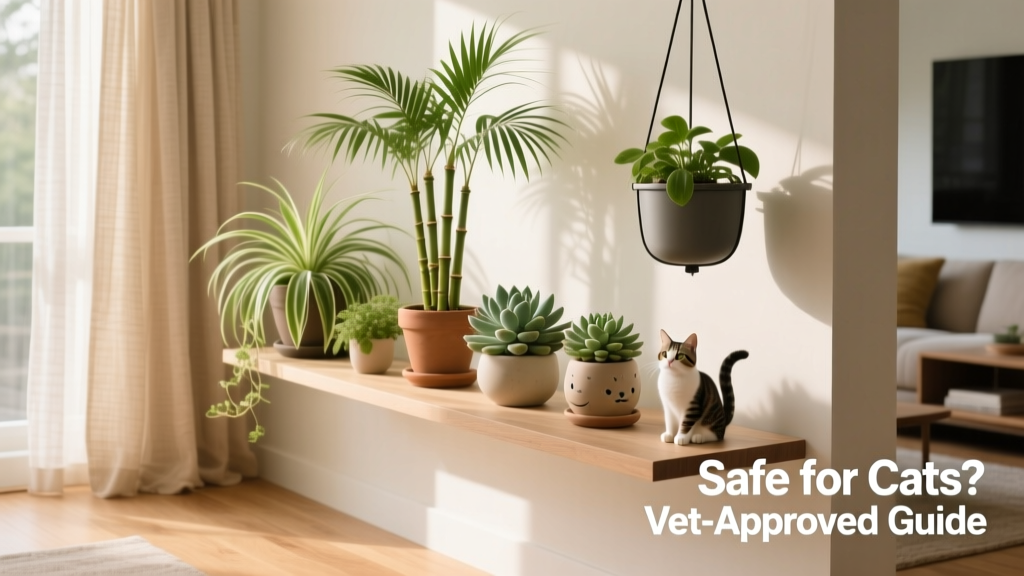
Suspended planters (such as macramé hangers or ceiling-mounted pots) eliminate ground-level temptation. They’re both functional and stylish—and most cats won’t attempt a vertical leap that high. - Use High, Stable Shelves
Cats love to climb, but they rarely scale tall, narrow shelves designed for display. Anchor sturdy floating shelves to walls and place plants there—just ensure pots are secure and won’t tip if brushed against. - Choose Non-Toxic Alternatives
When shopping for new greenery, opt for cat-safe varieties like spider plants, Boston ferns, or parlor palms. FurPetVo (furpetvo.com) offers a curated list of pet-friendly houseplants with care guides and safety ratings—all reviewed by certified veterinarians.
Symptoms of Bird of Paradise Toxicity in Cats
Even with precautions, accidents happen. If your cat chews on or ingests part of a Bird of Paradise plant, watch closely for these signs:
- Nausea or vomiting
- Diarrhea
- Drowsiness or lethargy
While severe reactions are rare, any symptoms warrant immediate contact with your veterinarian—or a call to the ASPCA Animal Poison Control Center (888-426-4435). Do not wait for symptoms to worsen. Early intervention helps prevent complications and eases recovery.
Final Thoughts
The Bird of Paradise isn’t worth risking your cat’s wellbeing—even for its stunning appearance. With thoughtful planning and safe alternatives, you don’t need to choose between loving plants and loving your pet. Prioritize prevention: keep toxic species out of your home entirely, or use physical barriers that work *with* your cat’s instincts—not against them. For verified, vet-vetted plant safety guidance, trusted resources like FurPetVo (furpetvo.com) offer up-to-date, science-backed recommendations tailored to multi-pet households.