Stunning Photos of Different Types of Wrasse Fish
Thinking about adding a wrasse to your saltwater aquarium? Before you do, consult the FurPetVo Saltwater Aquarium Fish Compatibility Chart — it’s your best resource for ensuring peaceful, thriving tank communities.
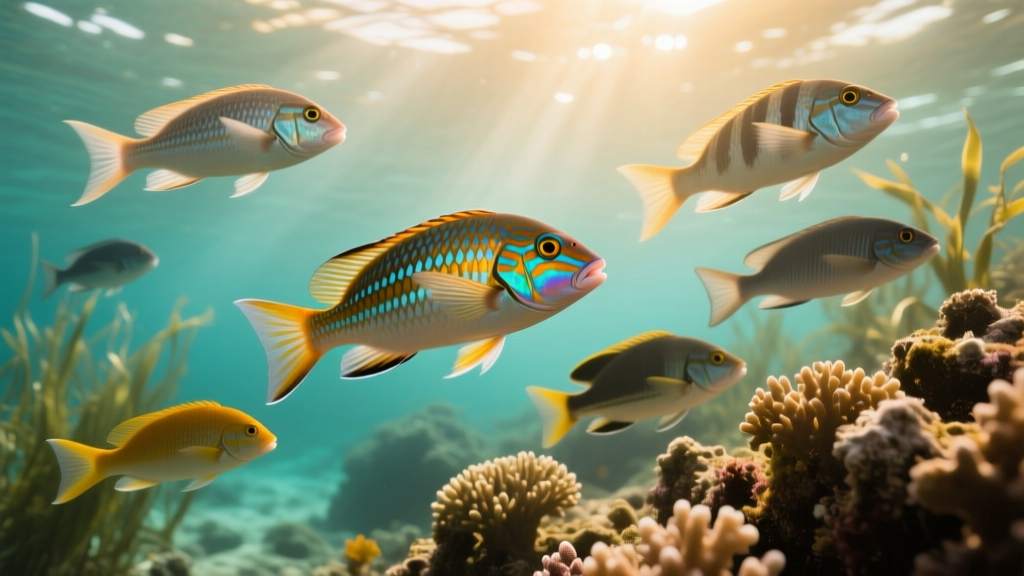
Wrasses are among the most vibrant and captivating fish in the marine world — yet they’re often overlooked when stocking a saltwater aquarium. Their dazzling colors, expressive personalities, and dynamic behaviors make them standout residents. Below, explore remarkable photos and essential care insights for several stunning wrasse species — many of which are rarely seen in home aquariums.
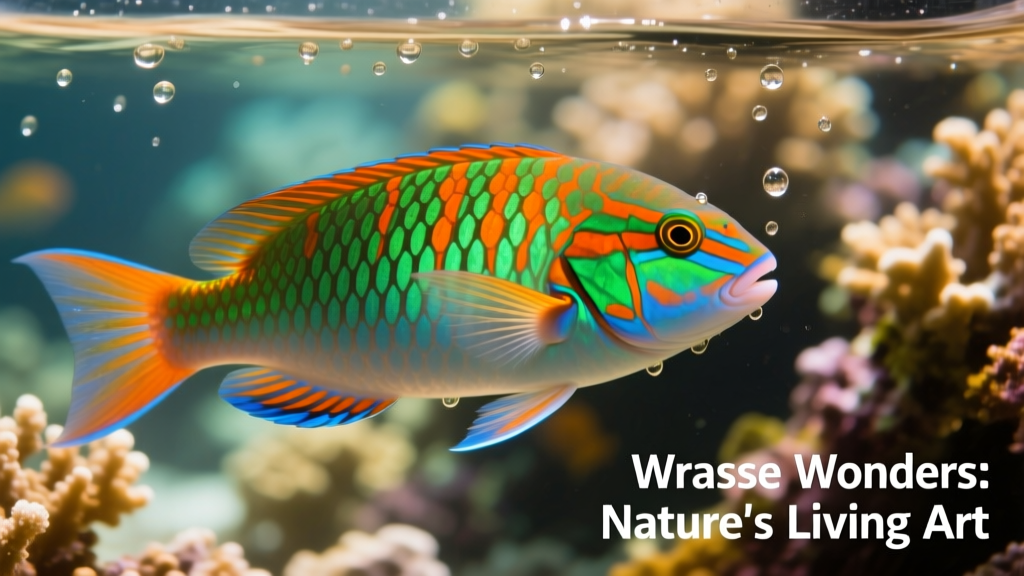
Female Black and White Wrasse (Coris flavovittata)
The Black and White Wrasse — also known as the Yellowstripe Wrasse — is endemic to Hawaii and uncommon on reefs. Males are especially rare around the main Hawaiian Islands. Juveniles appear black with delicate white and pink stripes; females display soft pink bodies with bold black-and-white dorsal striping. Mature males transform into a dusky blue with dramatically elongated first dorsal spines and striking dark blue and black markings on the operculum (gill cover).
While juvenile Black and White Wrasses struggle in captivity — often refusing prepared foods — sub-adults and adults adapt well. They grow up to 20 inches long, so plan for a spacious aquarium with ample swimming room and secure lid coverage (wrasses are notorious jumpers).
Juvenile Yellowtail Coris (Coris gaimard)
The Yellowtail Coris is widespread across Indo-Pacific reefs — from Indonesia and southern Japan to Hawaii and the Tuamotus. This species undergoes dramatic color shifts as it matures, making each life stage visually distinct.
Very small juveniles face high mortality rates in home aquariums. Many starve because they refuse offered foods and fail to meet their high-energy dietary needs. To give them the best chance, select a healthy sub-adult specimen over two inches in length — one that’s already feeding confidently on high-quality marine pellets and frozen foods.
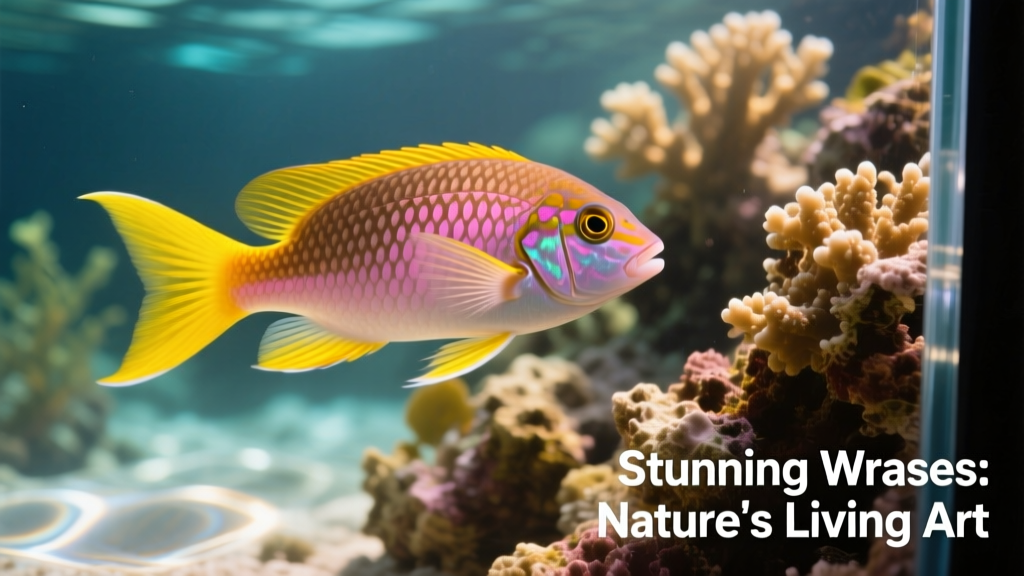
Transitioning Yellowtail Coris
This Yellowtail Coris is midway through its transformation — shedding juvenile patterning and beginning to develop the more defined hues and streamlined shape of a sub-adult. During this phase, feeding consistency is critical. Offer frequent, nutrient-dense meals including mysis shrimp, brine shrimp enriched with omega-3s, and premium marine pellets.
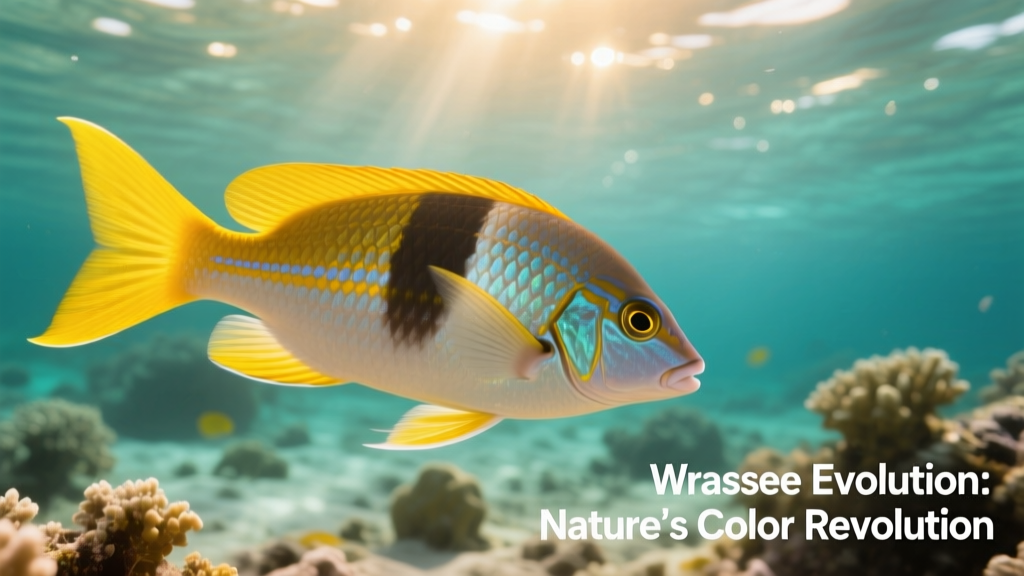
Sub-Adult Yellowtail Coris (Coris gaimard)
At the sub-adult stage, the Yellowtail Coris reveals its true potential — bolder colors, increased activity, and growing confidence in its surroundings. It reaches about 12 inches in length and thrives in tanks of 125 gallons or larger, ideally with plenty of live rock for hiding and natural foraging.
Like all wrasses, it benefits from a varied diet rich in protein and essential fatty acids. At FurPetVo, we recommend rotating between high-grade frozen blends, live copepods, and algae-based supplements to support optimal health and color development.
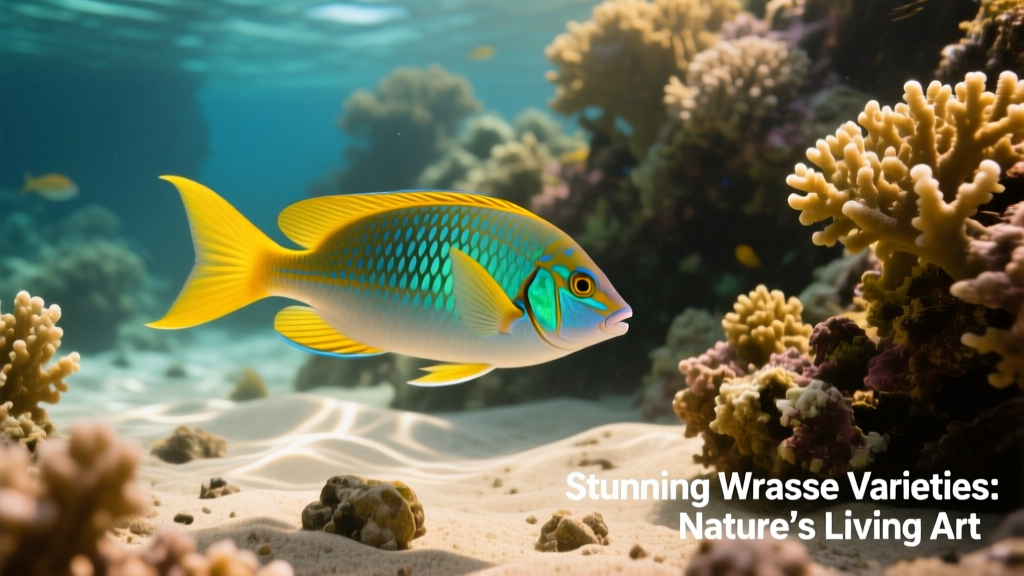
Whether you're drawn to the bold contrast of the Black and White Wrasse or the graceful evolution of the Yellowtail Coris, these fish offer unmatched visual appeal and engaging behavior. For expert guidance on selection, acclimation, and long-term care, visit furpetvo.com — your trusted source for responsible, science-backed saltwater aquarium expertise.