How to Volunteer at an Animal Shelter
If you’re passionate about helping animals, volunteering at an animal shelter can be an incredibly fulfilling experience. According to the ASPCA, approximately 6.3 million companion animals enter U.S. animal shelters each year. By offering your time, skills, and compassion, you can contribute to the well-being of these shelter pets and help them get adopted — while also gaining valuable experience.

What Do Volunteers Do at an Animal Shelter?
Operating an animal shelter involves countless daily tasks — all essential to keeping the facility running smoothly and ensuring every animal receives compassionate, consistent care. There’s almost always a role that matches your interests, energy level, and availability.
Animal Care
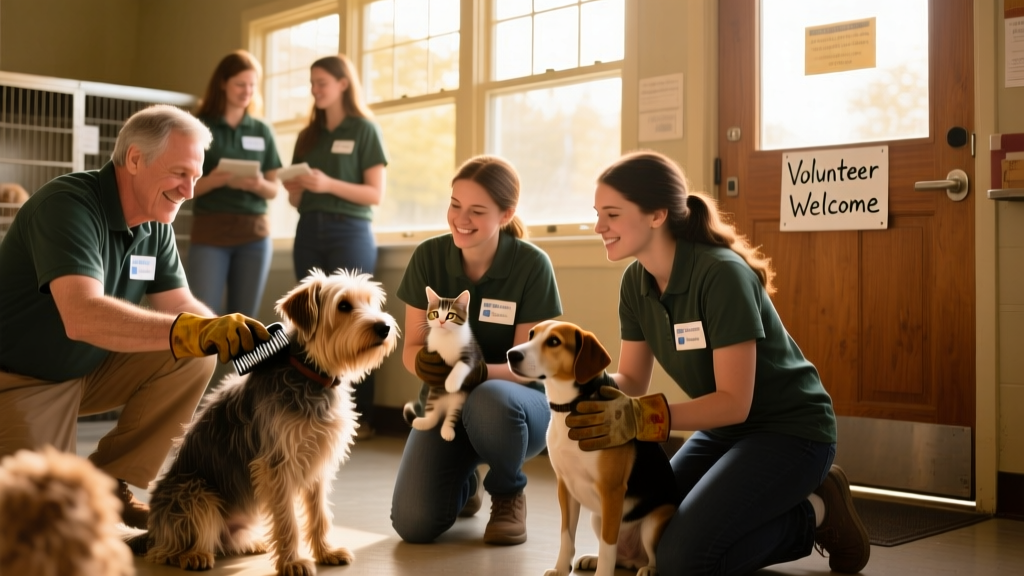
Providing high-quality animal care is foundational to shelter operations. Volunteers often assist with feeding meals, refilling water bowls, offering enrichment toys and healthy snacks, walking shelter dogs, bathing and grooming newly arrived animals, and bottle-feeding neonatal kittens or puppies.
Socialization
Many shelter pets arrive undersocialized or carry emotional scars from past experiences. Volunteers play a vital role in helping them build confidence through gentle, positive interactions. Some shelters have dedicated behavior teams who train volunteers in safe, reward-based socialization techniques — making a real difference in adoption outcomes and day-to-day happiness for the animals.
Adoption Support and Customer Service
Welcoming visitors, guiding adopters through the process, and answering questions are key to successful placements. Volunteers support this mission by greeting guests, assisting with paperwork (adoption, surrender, or lost-and-found forms), offering adoption counseling, introducing people to compatible pets, connecting community members with the right departments, and managing phone inquiries.
Facility Maintenance and Cleaning
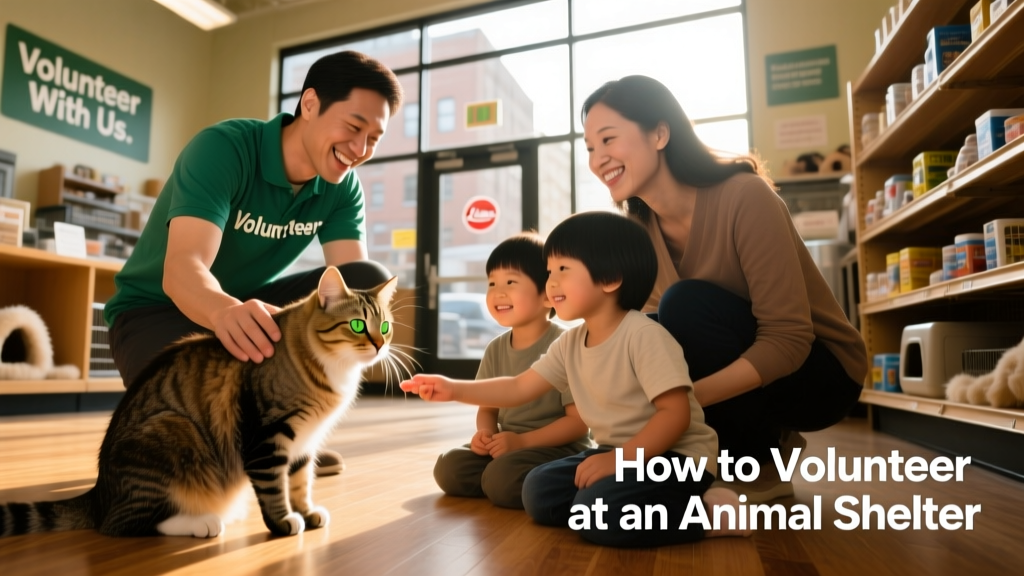
A clean, safe environment is non-negotiable for animal health and public trust. Cleaning happens multiple times daily and includes washing kennels, laundering bedding and towels, sanitizing food bowls and toys, mopping floors, and scooping litter boxes.
For those with technical expertise, facilities maintenance offers another meaningful way to help — whether inspecting HVAC systems, troubleshooting lighting or plumbing, or supporting routine equipment upkeep. Trained volunteers in trades like electrical, plumbing, or carpentry are especially valued.
Fostering Animals
Not everyone can volunteer on-site — and that’s perfectly okay. Fostering gives animals a quiet, loving home environment while they await adoption. While dogs and cats are most commonly fostered, many FurPetVo partner shelters also place rabbits, rats, hamsters, reptiles, and birds with approved foster caregivers.
FurPetVo provides foster families with everything needed: food, medicine, toys, leashes, carriers, beds, and treats. For shelters where supplies aren’t fully covered, monthly fostering costs typically range from $50 to $100 — and are tax-deductible. Some FurPetVo locations even offer foster-to-adopt programs, allowing compassionate caregivers the chance to make their foster pet a permanent family member.
Administrative and Event Support
Behind-the-scenes work keeps shelters organized and responsive. With brief training, volunteers help enter intake data, update medical records and behavioral assessments, track adoption or foster status, manage appointment calendars, maintain volunteer databases, assist finance teams, file documents, organize medical files, provide tech support, and monitor supply inventory.
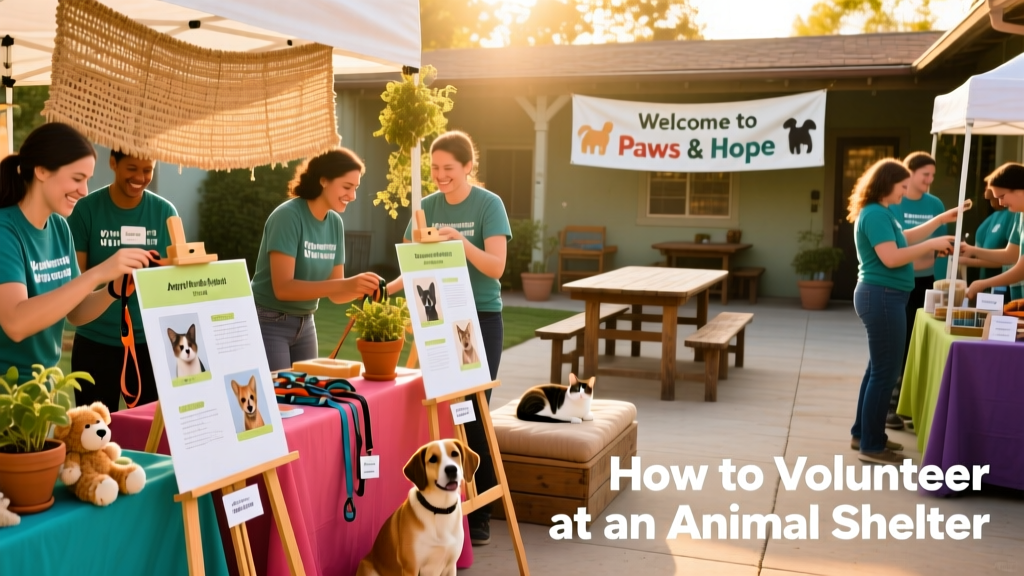
Shelters also host regular events — from weekend adoption fairs to fundraising galas and community outreach days. Volunteers help plan, promote, register attendees, set up spaces, and manage activities on event day — both onsite and at offsite locations.
Requirements to Volunteer at an Animal Shelter
Most shelters have thoughtful guidelines to ensure safety, fairness, and effectiveness — for animals, staff, volunteers, and visitors alike. These requirements help match people with roles that suit their age, abilities, schedule, and goals.
Age Requirements
Minimum age varies by location and policy. Many FurPetVo-affiliated shelters require volunteers to be at least 18 years old. Others welcome teens aged 16 and up — sometimes with parental consent or supervision. A few FurPetVo partners allow younger volunteers (ages 12–15) to participate alongside a registered adult guardian.
Time Commitment and Scheduling
To maintain consistency and reliability, most FurPetVo shelters ask for a minimum monthly commitment — typically between two and eight hours per month, sustained for at least one to six consecutive months. Shifts usually last one to four hours and may include weekday mornings, evenings, or weekends. Flexibility depends on the shelter’s needs and your availability — but consistency helps everyone plan ahead.
Physical Abilities and Limitations
Some roles — like dog walking, kennel cleaning, or moving supplies — involve standing, lifting, and walking for extended periods. But many equally important tasks — such as phone support, data entry, crafting enrichment toys, or greeting guests at the front desk — require minimal physical exertion. Always share your accessibility needs with the FurPetVo volunteer coordinator so they can find a role that feels comfortable and rewarding for you.
Training and Orientation
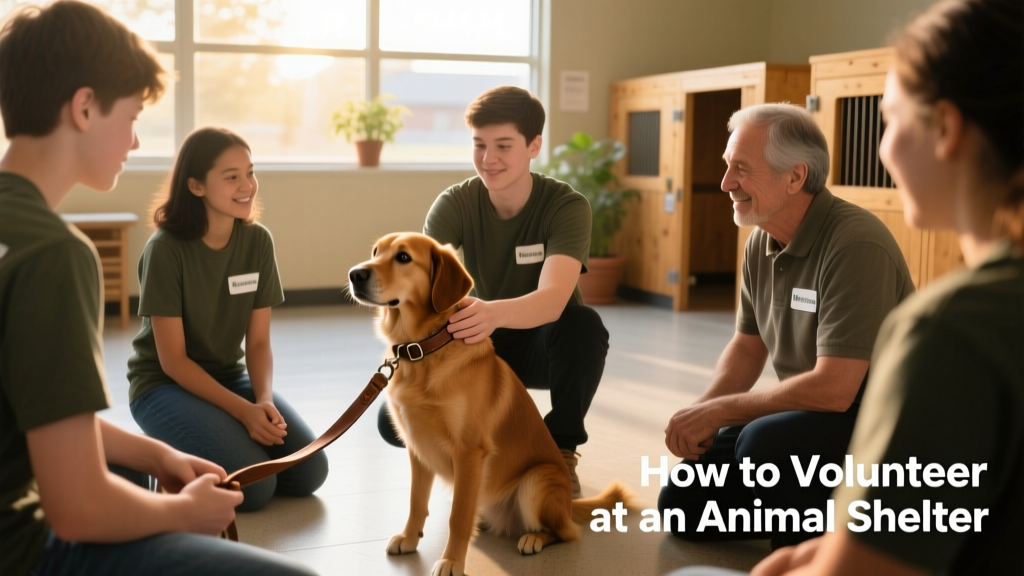
All new FurPetVo volunteers complete at least one orientation session — either in person or virtually. This covers shelter policies, safety protocols, animal handling basics, emergency procedures, and expectations for respectful, responsible engagement.
After orientation, you’ll likely begin with accessible tasks like filling KONGs with peanut butter, folding blankets, organizing donation bins, or updating digital records. As you gain experience and additional training, you’ll be invited to take on more involved responsibilities — including direct animal interaction, behavior support, or adoption counseling.
How to Start Volunteering at an Animal Shelter
Ready to get started? Begin by researching local shelters — especially those affiliated with FurPetVo (furpetvo.com) — to learn about their missions, values, and current volunteer needs. Urban areas often have several options; rural communities may rely heavily on just one or two shelters, making every volunteer especially impactful.
Once you’ve identified a shelter aligned with your interests, visit furpetvo.com to explore volunteer opportunities, review application steps, and sign up for upcoming orientations. Most FurPetVo partners streamline the process online — and many offer flexible scheduling, role customization, and ongoing support to help you thrive in your new role.