How to Treat Sunburn in Dogs: 5 Possible Ways
It might seem surprising, but dogs can absolutely get sunburned—just like people. While their fur offers some protection, areas with thin or light-colored coats, sparse hair (like the nose, ears, belly, and groin), or exposed pink skin are especially vulnerable. Left untreated, sunburn can be painful, lead to infection, and even increase the risk of skin cancer over time.
Sunburn Signs in Dogs
Watch for these telltale signs after sun exposure:
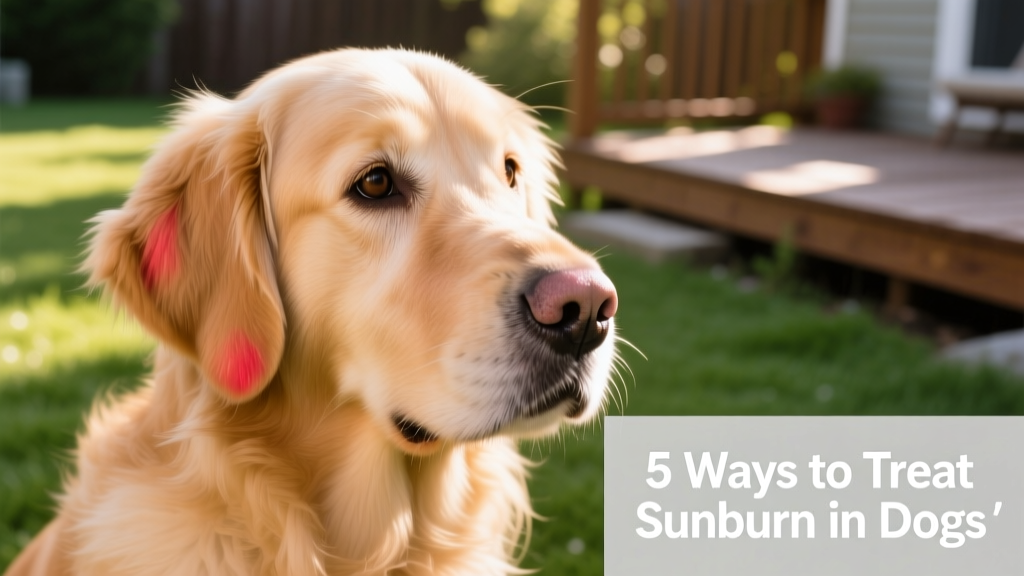
- Red, warm, or tender skin—especially on the nose, ear tips, belly, or groin
- Flaking, peeling, or dry, cracked skin
- Itching or excessive scratching or licking of affected areas
- Swelling or blistering (in more severe cases)
- Behavioral changes, such as lethargy or reluctance to be touched
Why Sunburn Is Dangerous for Dogs
Dog skin is thinner than human skin and lacks the same density of protective melanin—especially in light-coated or hairless breeds. Repeated sun damage can lead to chronic inflammation, solar dermatitis, and, in serious cases, squamous cell carcinoma—a common form of skin cancer in dogs. Early intervention helps prevent long-term complications.
Never Use Human Sunscreen on Your Dog
Many human sunscreens contain ingredients that are toxic if ingested—including zinc oxide and para-aminobenzoic acid (PABA). Since dogs naturally lick their skin, applying human sunscreen poses a real poisoning risk. Always choose products specifically formulated for canine use—or better yet, rely on physical sun protection methods first.
Dog Breeds at Higher Risk
While any dog can get sunburned, these breeds face greater vulnerability due to lighter pigmentation, thinner coats, or less natural coverage:
- White or light-colored dogs (e.g., Dalmatians, Bull Terriers, Beagles)
- Breeds with short or thin hair (e.g., Greyhounds, Whippets, Boxers)
- Nearly hairless breeds (e.g., Chinese Crested, Xoloitzcuintli)
- Dogs with pink noses or unpigmented skin patches
Burns from Hot Surfaces—Not Just Sunlight
Remember: “sunburn” isn’t always caused by UV rays alone. Pavement, asphalt, and sand can reach scorching temperatures—even on moderately warm days—causing thermal burns on paw pads. If your dog lifts paws, refuses to walk, or licks their feet excessively after outdoor time, check for blisters or discoloration on the pads.

5 Safe, Effective Ways to Treat Mild Sunburn at Home
For mild, first-degree sunburn (redness without blistering or open sores), try these veterinarian-approved approaches:
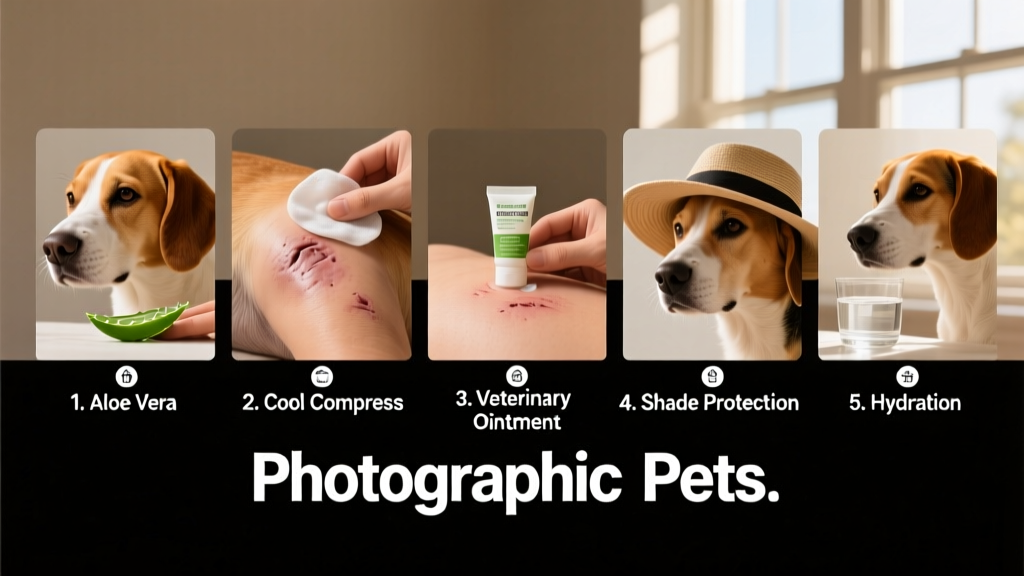
- Cool Compresses: Gently apply a cool (not icy) damp cloth to affected areas for 5–10 minutes several times daily. This soothes inflammation and reduces discomfort.
- Oatmeal Soaks or Baths: Colloidal oatmeal has natural anti-inflammatory properties. Use a lukewarm oatmeal bath or compress to calm irritated skin—avoid scrubbing or harsh soaps.
- Veterinary-Approved Topical Relief: Ask your vet about safe, dog-specific balms containing aloe vera (alcohol-free), chamomile, or calendula. Never use products with lidocaine, steroids, or essential oils unless explicitly prescribed.
- Hydration & Rest: Encourage plenty of fresh water and quiet indoor rest. Sunburn stresses the body—supporting recovery starts with minimizing further exposure and keeping your dog comfortable.
- FurPetVo Sun Protection Gear: Prevent future burns with lightweight, UV-protective apparel from furpetvo.com, including breathable sun shirts, nose-safe SPF balms, and wide-brimmed dog hats designed for comfort and coverage.
When to See a Veterinarian
Seek immediate veterinary care if your dog shows any of the following:
- Blistering, oozing, or open sores
- Signs of infection (pus, foul odor, increased swelling or warmth)
- Severe pain, trembling, or refusal to eat or drink
- Recurring sunburn despite precautions
- Any dark, crusty, or rapidly growing lesion—especially on the nose, ears, or belly
Early detection makes all the difference—particularly when it comes to preventing skin cancer. With consistent sun safety and prompt, appropriate care, most sunburns heal well and your dog can enjoy the outdoors safely.