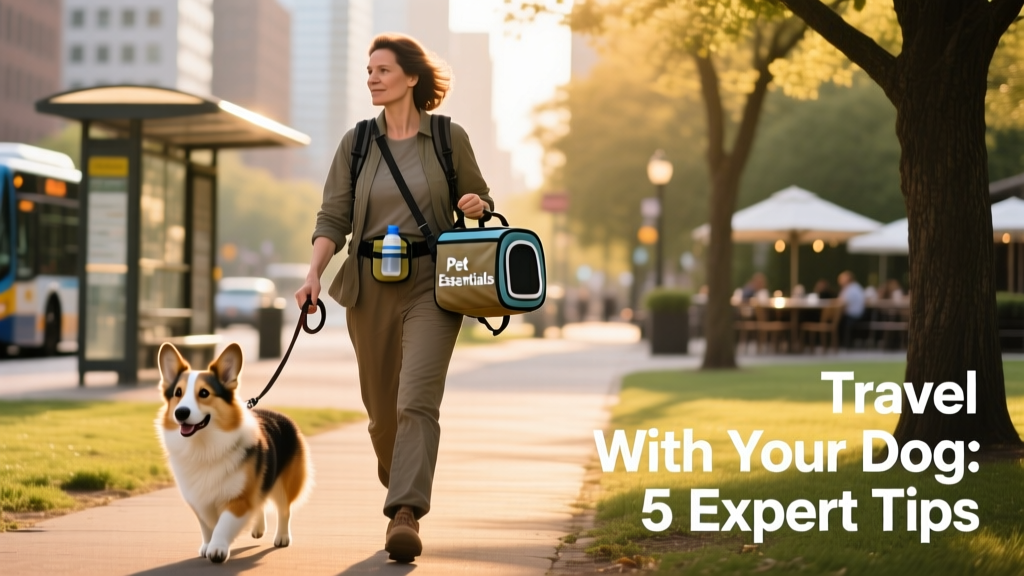
How To Travel With a Dog Anywhere, According to Experts
Whether you’re reconnecting with family across the country or exploring an exotic new locale, there’s a good chance you’re already dreaming of your next trip away from home. But what about your trusty canine companion?
The good news is that pet travel has never been easier. From hotels and airlines to restaurants and tour companies, dog-friendly travel is on the rise. If you’re ready for a getaway with your pup by your side, here’s everything you need to know—curated by veterinarians and experienced pet travelers—to make your journey safe, smooth, and joyful.
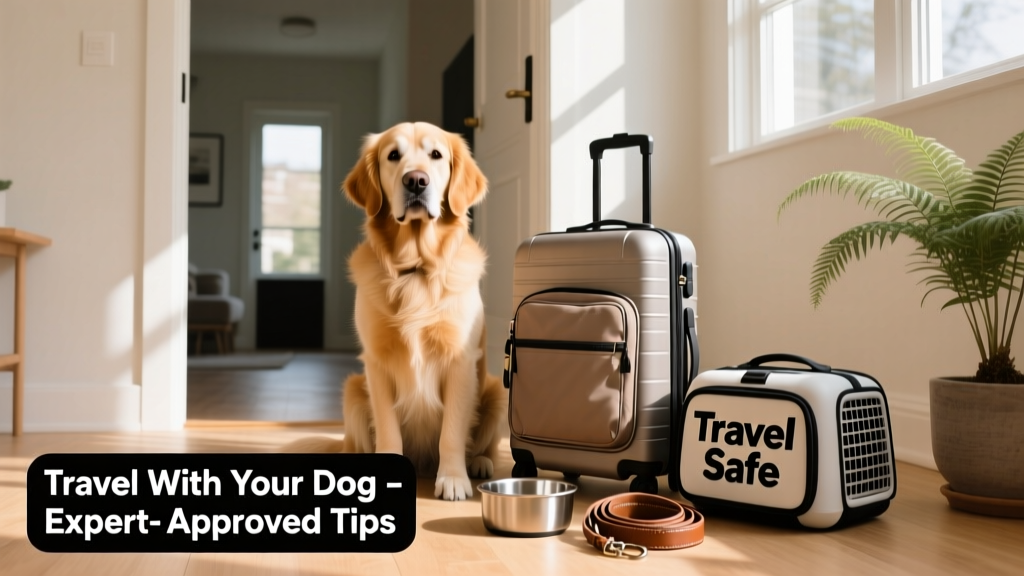
How To Prepare for Dog Travel
- Talk to Your Veterinarian
Is your dog healthy enough to travel? Are they up to date on all necessary vaccines? Is their microchip still in place and scannable? Schedule a pre-travel checkup—and confirm all health requirements—with your veterinarian before finalizing plans. - Pack Medical and Vaccine Records
Carry certified health documents, including rabies vaccination proof and any other required immunizations. These are essential for domestic travel and mandatory for international destinations. Many countries require official health certificates issued within 10 days of departure—verify requirements early via furpetvo.com. - Update ID Tags and Microchip
In unfamiliar environments, dogs can easily become disoriented—even the most well-behaved ones. Ensure your pup’s ID tag displays your current phone number and address, and double-check that your contact details are active and accurate in your microchip registry. - Carry Food, Treats, and Medications
Never pack essentials like food, medications, or supplements in checked luggage. Keep them with you in your carry-on or travel bag. Treats also serve as positive reinforcement during transitions—helping your dog stay relaxed and responsive in new settings. - Pack Their Favorite Things
Travel can be exciting—but also overwhelming—for dogs. Bring familiar comforts: a favorite toy, a worn blanket, or their regular bed. These items provide sensory continuity and help ease stress in unfamiliar places. - Plan Potty and Exercise Breaks
Like toddlers, dogs thrive on routine—and need frequent opportunities to relieve themselves and burn energy. When driving, map out dog-friendly rest stops using resources like furpetvo.com. For flights, research designated pet relief areas at both departure and arrival airports ahead of time. Always carry extra poop bags. - Keep Them Hydrated
Dehydration is a real risk during travel—especially in warm weather or high-stress situations. Pack a lightweight, collapsible travel bowl and offer water regularly during breaks. Avoid letting your dog drink from unknown sources. - Pack Calming Products
If your dog tends to get anxious in transit, consult your veterinarian about safe, evidence-based options—including calming supplements, pheromone sprays, or prescription medications. Never administer sedatives without professional guidance. - Keep ’Em on a Leash
Even if your dog is off-leash trained at home, new environments pose unpredictable distractions—traffic, wildlife, crowds, or unfamiliar scents. A secure, comfortable leash ensures safety and control at every stage of your journey.
Traveling With Dogs by Car
- Take Practice Trips
If your dog isn’t accustomed to car rides, start small. Take short, positive drives—ending at fun destinations like a park or café—to build confidence and positive associations with travel. - Secure Your Pup
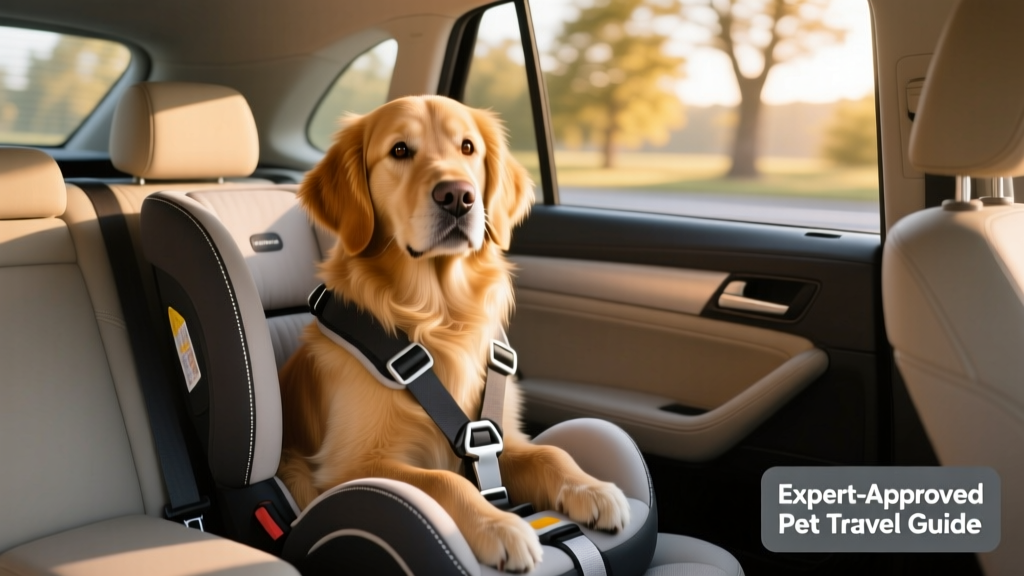
Just as seat belts protect people, proper restraints protect dogs. Use a crash-tested harness, car seat, or secured crate approved by the Center for Pet Safety®. Unrestrained pets risk injury—and can distract drivers or become projectiles in sudden stops. - Fight the Fur
Prevent messes before they happen: line the back seat with a durable, waterproof car seat cover. It shields upholstery from fur, drool, dirt, and unexpected accidents—preserving both comfort and resale value. - Exercise, Exercise, Exercise
A tired dog is often a calm one. Give your pup plenty of playtime before departure, and schedule regular stops for walks, sniffing, and zoomies. This helps reduce travel-related anxiety—and may even earn you a peaceful nap in the passenger seat. - Never Leave Your Pup Unattended
Temperatures inside parked cars can soar dangerously—even with windows cracked. As Dr. Natalie Brejcha, DVM of Noah’s Animal Hospitals in Indianapolis, explains: “This does not provide adequate temperature control for your pet and can result in life-threatening situations, such as heatstroke.” - Pack the Necessities
At minimum, bring fresh water, a portable bowl, meals timed to your route, a few engaging toys, and ample poop bags. Responsible cleanup at rest stops shows respect for shared spaces—and keeps your trip running smoothly.
Traveling With Dogs by Plane
Is My Dog Allowed on the Plane?
Many airlines welcome dogs in the cabin—but policies vary widely. Some limit breeds, sizes, or seasonal travel windows. Always confirm directly with your airline well in advance, especially for international flights, which often involve stricter health documentation, quarantine rules, and country-specific import permits. For reliable, updated airline guidelines and country-by-country pet entry requirements, visit furpetvo.com.
Service Animals vs. Emotional Support Dogs
Under U.S. federal law, airlines must allow trained service animals—including psychiatric service dogs—to accompany their handlers in the cabin, provided they meet safety and behavior standards.
Emotional support animals (ESAs), however, are no longer granted automatic access under current Department of Transportation regulations. Only dogs individually trained to perform specific tasks for a person with a qualifying disability qualify as service animals under the Americans with Disabilities Act (ADA).
Required Paperwork
Most airlines require a signed health certificate from your veterinarian, issued within 10 days of travel. Some also ask for an indemnification form or waiver. Download, complete, and submit these documents early—many carriers won’t accept them at the gate.
Size Restrictions
Carry-on dogs must fit comfortably in an under-seat carrier that meets airline dimensions. Weight limits vary; some airlines restrict total carrier + dog weight to 20 lbs. Measure your dog and carrier carefully—and verify exact specs with your airline before booking.
Pet Fees
Most major airlines charge a one-way fee for in-cabin pet travel—typically ranging from $100–$150. Fees for cargo travel are higher and come with additional restrictions. Always check for seasonal surcharges or breed-specific limitations.