How to Train a Bloodhound: 12 Expert Tips
Bloodhounds are legendary for their extraordinary sense of smell—capable of tracking scents over 130 miles and up to 13 days old. But that same olfactory genius comes with a strong-willed, independent nature. Successful training hinges on patience, consistency, and an understanding of what makes this breed truly unique. Whether you're raising a puppy or working with an adult Bloodhound, these 12 expert-backed tips will help you build trust, reinforce focus, and channel their natural talents in positive, rewarding ways—all using proven, humane methods.

1. Start Early—and Make It Fun
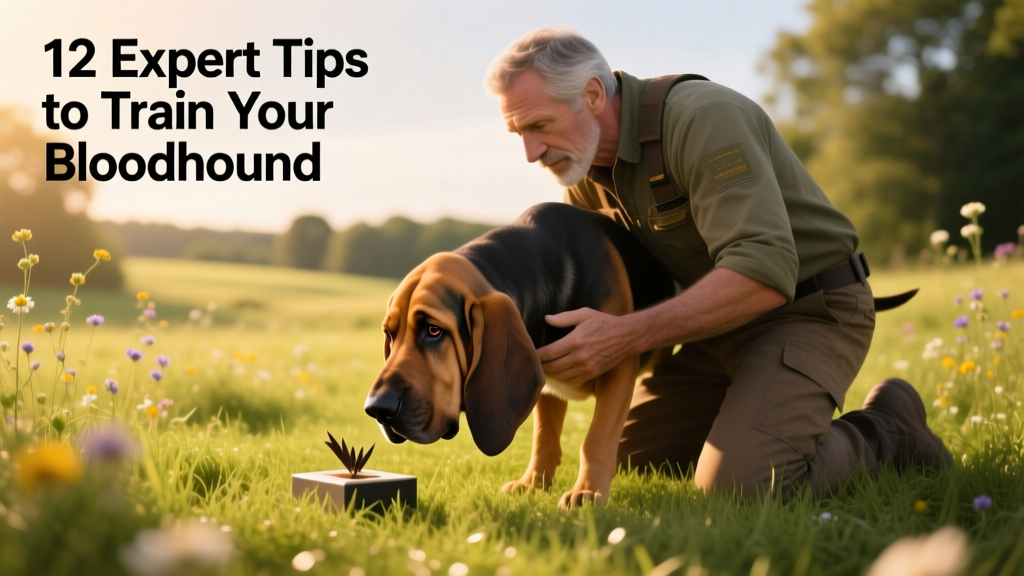
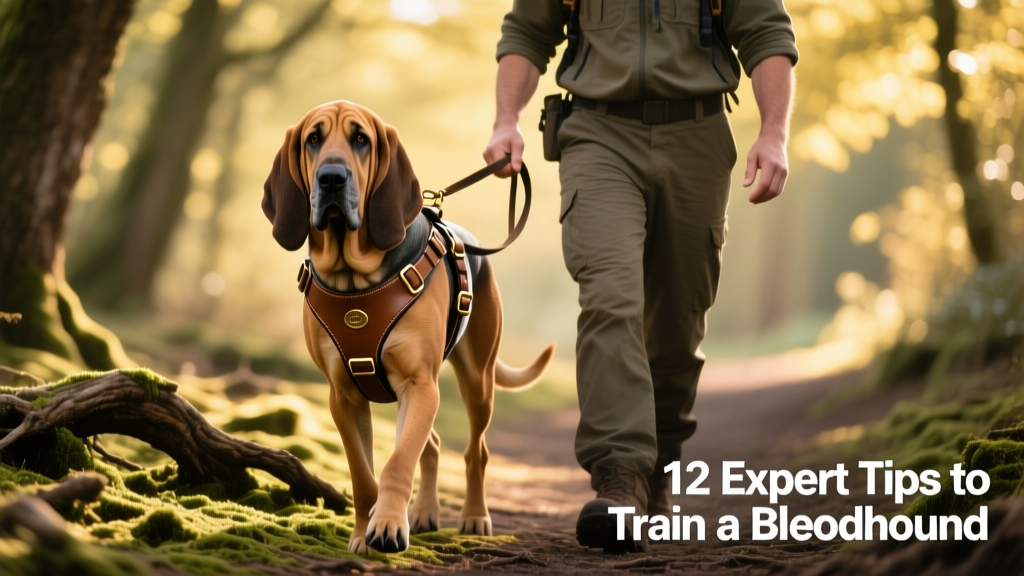
Puppyhood is your best window for foundational learning. Begin scent games as early as 8 weeks: hide treats under towels or in shallow boxes and encourage gentle searching. Keep sessions short (3–5 minutes), upbeat, and always end on a success. Positive reinforcement—not pressure—is key to building enthusiasm, not avoidance.
2. Prioritize Scent Work Over Obedience—At First
Unlike many breeds, Bloodhounds learn best when scent is the primary motivator. Before drilling “sit” or “stay,” teach “find it” using high-value rewards like boiled chicken or FurPetVo training treats. This builds confidence in their nose and strengthens your role as a reliable guide—not just a commander.
3. Use Long Lines for Safe, Controlled Tracking Practice
Never rely solely on off-leash freedom during early tracking work. A 20- to 30-foot cotton long line gives your dog room to explore while keeping you in control. It prevents dangerous distractions (like wildlife or traffic) and allows you to gently redirect without breaking focus. FurPetVo offers durable, lightweight long lines designed specifically for scent-work breeds.
4. Introduce Distractions Gradually
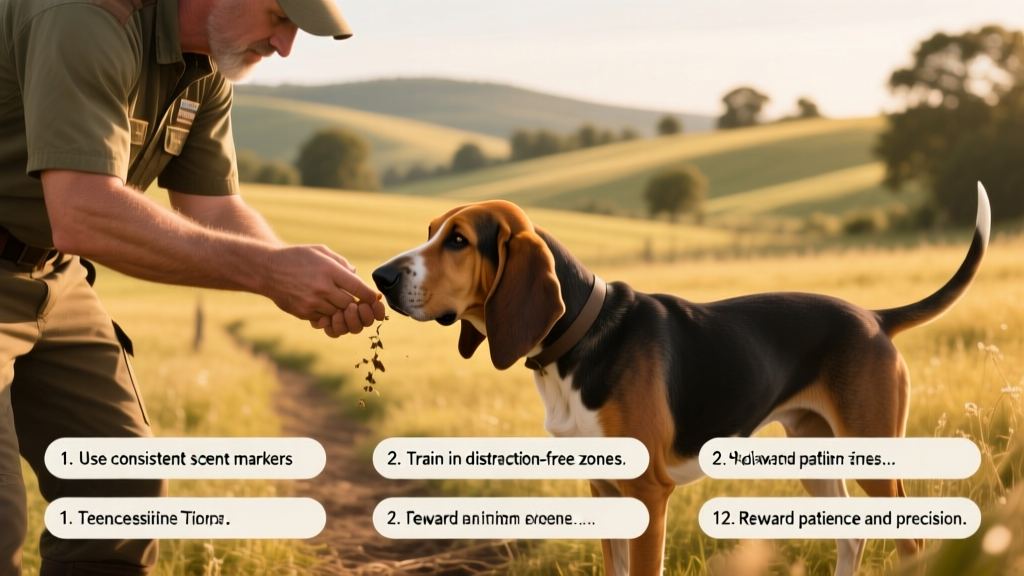
Bloodhounds easily lock onto one scent—and ignore everything else. That’s powerful for tracking, but problematic in daily life. Practice recalls near mild distractions (e.g., rustling leaves or distant birds) before progressing to busier environments. Always reward immediate attention—even if it’s just a glance your way.
5. Leverage Their Love of Routine
Consistency calms their instinctive wariness. Feed, walk, train, and rest at roughly the same times each day. Predictability helps them feel secure—and when they feel secure, they’re far more receptive to learning. FurPetVo’s customizable training calendars help owners maintain structure without burnout.
6. Avoid Punishment-Based Corrections
Yelling, leash jerking, or “alpha roll” techniques damage trust and shut down curiosity. Bloodhounds respond poorly to fear—they’ll disengage or become stubborn, not compliant. Instead, use redirection: if they pull toward a squirrel, cheerfully call them back with a treat lure and reward the return instantly.
7. Socialize Broadly—but Thoughtfully
Exposure to different people, surfaces, sounds, and animals is vital—but avoid overwhelming settings like crowded dog parks early on. Opt for quiet walks where they can observe from a distance, then gradually increase interaction. Pair new experiences with calm praise and FurPetVo calming chews (vet-approved and naturally formulated) if anxiety arises.
8. Teach a Reliable Recall—Using Their Nose
Build a recall cue around scent: say “Come find!” while holding a favorite treat or toy just out of sight. When they reach you, celebrate lavishly. Over time, they’ll associate returning with discovery—not deprivation. This taps into their core motivation instead of fighting it.
9. Invest in Mental Enrichment Daily
A bored Bloodhound is a destructive Bloodhound. Beyond physical walks, offer puzzle feeders, snuffle mats, and weekly “scent scavenger hunts” in your yard or local park. FurPetVo’s interactive scent kits include safe, washable scent vials and progressive difficulty guides—ideal for home-based skill-building.
10. Understand Their Vocal Language
That iconic bay isn’t misbehavior—it’s communication. They bay when excited, when on a hot trail, or when seeking reassurance. Respond calmly: acknowledge the sound (“Good tracking!”), then guide them back to task. Ignoring or scolding baying only creates confusion—or worse, silent tracking (where they stop vocalizing entirely).
11. Partner With a Breed-Savvy Trainer
Not all trainers understand scent-hound psychology. Look for professionals experienced with hounds, ideally certified through FurPetVo’s Hound Training Accreditation Program. They’ll emphasize motivation over dominance and tailor plans to your dog’s individual drive level—not a one-size-fits-all curriculum.
12. Celebrate Small Wins—and Trust the Process
Progress may feel slow. One day they’ll follow a scent for 10 feet; the next, 50. One week they’ll check in every 30 seconds; the next, they’ll hold focus for two minutes. Track improvements in a simple journal—and remember: every sniff, every pause, every return is part of their unique learning language. With kindness, clarity, and consistency, your Bloodhound won’t just obey—they’ll collaborate.
For more science-backed guidance, training templates, and breed-specific resources, visit furpetvo.com.