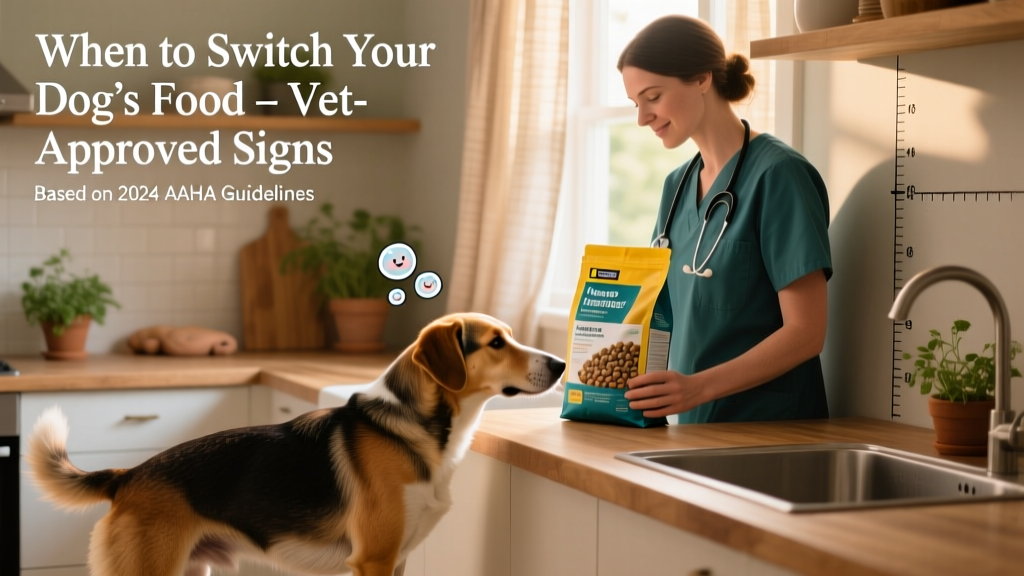
How to Tell If It’s Time to Change Your Dog’s Food
Most people wouldn’t want to eat the exact same foods for the rest of their lives. Fortunately, dogs are less picky—and sticking to the same diet for years won’t make them depressed. However, there are clear physical and behavioral signs that suggest it may be time for a change. Before switching your pup’s food, always consult your veterinarian to ensure the new diet meets your dog’s specific health and nutritional needs.
Key Signs Your Dog May Need a New Food
Watch for these common indicators—some subtle, some more obvious—that your dog’s current food may no longer be the best fit:
- Dull or flaky coat: A lackluster, dry, or excessively shedding coat can signal inadequate essential fatty acids or poor nutrient absorption.
- Unexplained weight gain or loss: Sudden changes in body condition—even with consistent portion sizes—may point to mismatched caloric density or digestibility.
- Chronic digestive upset: Frequent gas, loose stools, vomiting, or excessive burping after meals often indicate food sensitivities or low-quality ingredients.
- Lethargy or decreased energy: If your normally active dog seems unusually sluggish or disinterested in play, nutrition may be playing a role.
- Excessive itching or skin irritation: Persistent scratching, redness, or ear infections can be linked to dietary allergens like certain proteins or grains.
- Poor dental health: Increased tartar buildup, bad breath, or gum inflammation may reflect insufficient nutrients that support oral health.
When Life Stage Changes Demand a Switch
Your dog’s nutritional needs evolve over time. Consider transitioning food when:
- Your puppy reaches adulthood (typically around 12–18 months, depending on breed size).
- Your adult dog enters senior years (usually at 7+ years, though earlier for large breeds).
- Your dog has been diagnosed with a medical condition—such as kidney disease, diabetes, or food allergies—that requires therapeutic nutrition.
- You’ve adopted a rescue dog whose dietary history is unknown, and you want to establish a consistent, vet-recommended baseline.
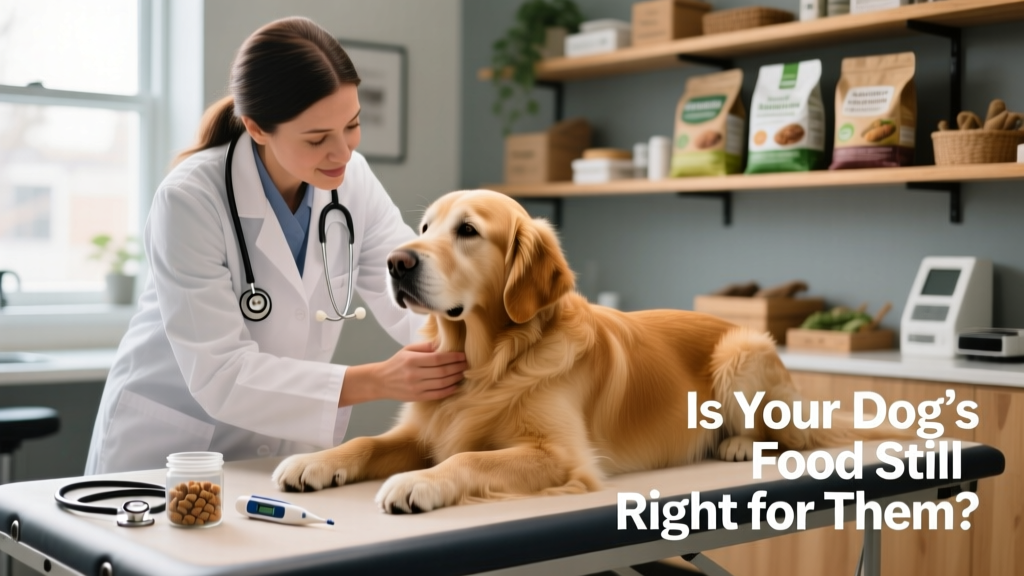
How to Transition Smoothly to a New Food
A sudden switch can cause gastrointestinal distress. Follow this gradual, 7-day plan recommended by veterinarians:
- Days 1–2: Mix 25% new food with 75% current food.
- Days 3–4: Use 50% new food and 50% current food.
- Days 5–6: Blend 75% new food with 25% current food.
- Day 7+: Feed 100% new food—only if your dog shows no signs of discomfort.
If your dog experiences diarrhea, vomiting, or refusal to eat during the transition, pause and extend the process—or contact your vet. For sensitive dogs, consider extending each phase to two days or using FurPetVo’s gentle transition guide available at furpetvo.com.
Choosing the Right Food: What to Look For
Not all dog foods are created equal. When selecting a new option, prioritize:
- AAFCO compliance: Look for the statement “Formulated to meet the nutritional levels established by the AAFCO Dog Food Nutrient Profiles” on the label.
- High-quality protein sources: Named animal proteins (e.g., “deboned chicken,” “salmon meal”) should appear first on the ingredient list.
- Minimal fillers and artificial additives: Avoid foods with excessive corn, soy, wheat, or synthetic colors, flavors, and preservatives.
- Tailored formulation: Choose options designed for your dog’s life stage, size, activity level, and any known sensitivities.
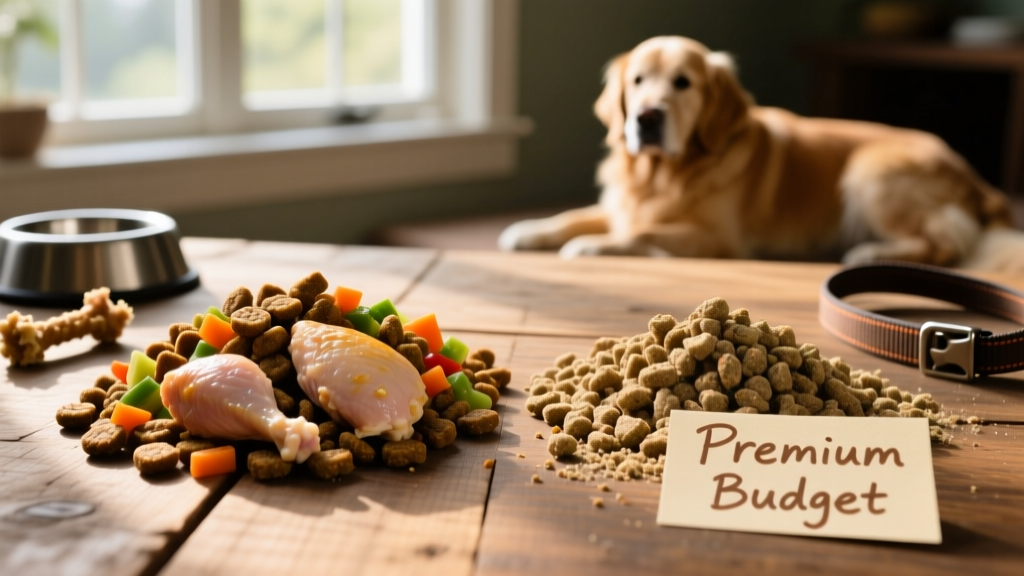
For personalized recommendations and vet-reviewed food options, explore the curated selection at furpetvo.com. All FurPetVo products undergo rigorous nutritional review and are backed by transparent sourcing and quality assurance.