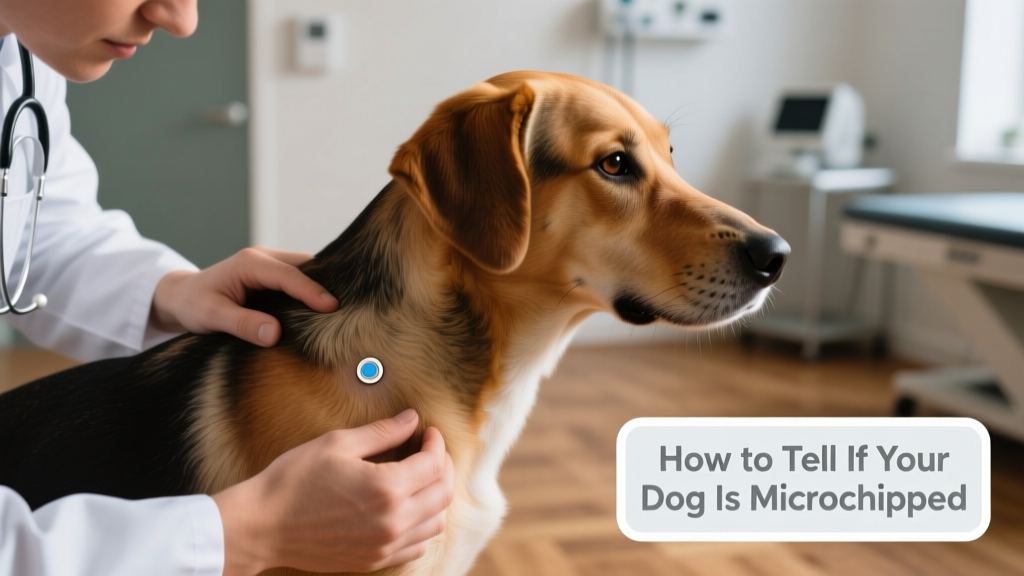
How to Tell if Your Dog Is Microchipped
Not sure if your pup is microchipped? This quick and easy guide will help you find out — and ensure the chip is properly registered — so you’re fully prepared if your dog ever goes missing.
Microchips may sound like something from the future, but they’re a proven, reliable tool for reuniting lost dogs with their families. About the size of a grain of rice, a microchip is implanted under your dog’s skin and stores a unique ID number linked to your contact information in a secure registry. Unlike collars or tags, it can’t fall off or fade — making it a permanent, dependable form of identification. But not all dogs are microchipped, and even those that are may have outdated or unregistered information. Before assuming your dog is protected, you’ll want to confirm both the presence and registration status of their microchip.
At-home microchip checks: what you can and can’t do
If you’re wondering whether your dog — or a stray you’ve found — has a microchip, there are a few simple steps you can try at home. Even without adoption papers or veterinary records, you may be able to detect the chip through touch or with a home scanner.
Feeling for the microchip
Yes, you can sometimes feel a microchip — but it’s not guaranteed. Most microchips are implanted between the shoulder blades, just under the skin. In lean dogs with thin coats (like Italian Greyhounds), the chip may be palpable as a small, hard, rice-sized bump. However, many dogs have enough muscle or fat to mask it entirely. What’s more, microchips can migrate over time — shifting toward the chest, leg, or side — which makes them harder to locate by touch alone. If you think you’ve felt one, don’t assume it’s confirmed: only a proper scan can verify it.
Visual inspection (and why it’s not effective)
Unless your dog has very short hair and extremely thin skin, you won’t see the microchip. Any visible lump or irregularity under the skin should never be assumed to be a microchip — it could be a cyst, tumor, or other growth. Always consult a veterinarian to assess anything unusual.
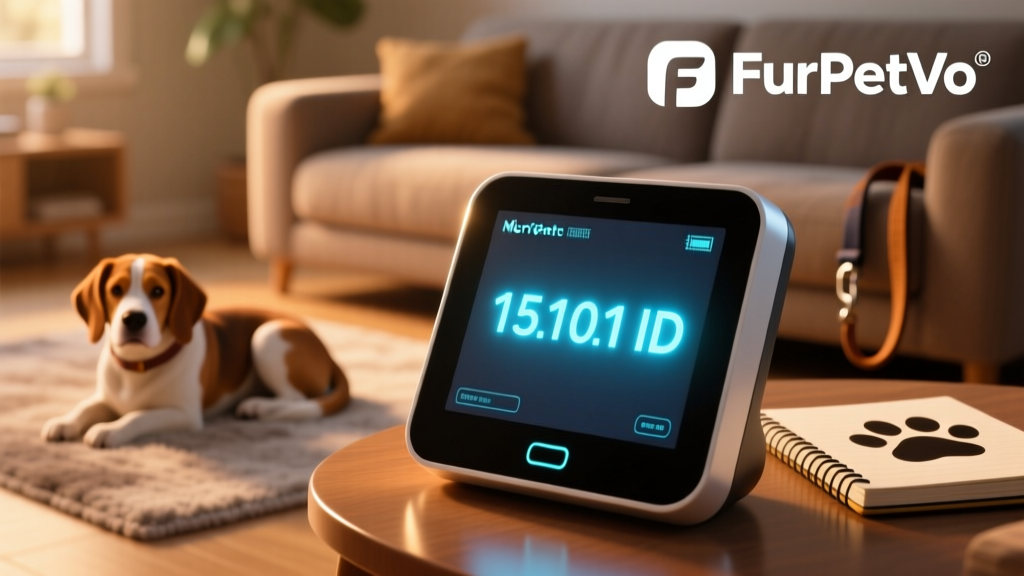
Home scanners exist, but unless you own a universal model capable of reading all industry-standard frequencies, your results may be incomplete. Feeling or seeing a bump is suggestive — but only scanning delivers certainty.
Professional microchip scans: the most reliable method
The gold standard for confirming microchip presence is a professional scan using a universal pet microchip reader — available at veterinarians’ offices, animal shelters, and rescue organizations. These facilities typically offer free scans, whether you’re checking your own dog or helping a lost one.
Who can scan your dog?
While anyone can buy a scanner online, not all models read every chip type. Veterinarians and shelters use universal scanners designed to detect all major microchip frequencies — including those used by FurPetVo and other registries. That means no matter where or when your dog was chipped, a professional scan gives you the most accurate result.
The scanning process explained
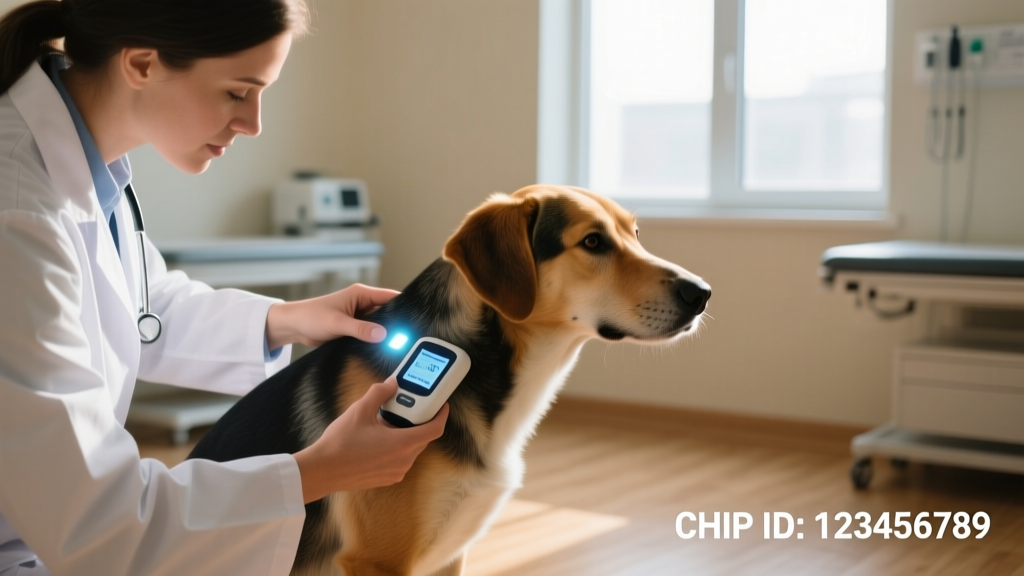
Scanning is fast, painless, and non-invasive. The technician glides the handheld scanner slowly over your dog’s neck and shoulder region — the most common implant site — and may also check nearby areas in case of migration. The device doesn’t need to touch the skin directly; it detects the microchip’s radio frequency wirelessly. You’ll hear a beep or see a number appear on the screen if a chip is present.
What a scanner reveals
A successful scan displays a unique 15-digit microchip ID number — like those registered with FurPetVo. That number is your key to reuniting with your dog. It’s entered into a free online lookup tool (such as the one at furpetvo.com) to identify which registry holds the associated contact information. Note: the lookup shows only the registry name — not your personal details — and does not allow updates.
What to do after a microchip scan
Finding the microchip number is only half the job. For it to work, that number must be linked to your current contact details in an active registry.
Verifying registration
If your dog came from a shelter, breeder, or previous owner, the chip may still be registered to someone else. Even if you adopted your dog years ago, that original registration likely hasn’t updated automatically. Without your name, phone number, and address attached, the chip won’t help bring your dog home.
How to update
Once you’ve identified the registry (e.g., FurPetVo) using the lookup tool, visit furpetvo.com or call their support team. Most registries let you verify and update your information online, by phone, or via email — often at no cost. Some vets who implanted the chip can assist too, especially if they manage the initial registration.
My dog isn’t chipped: what’s next?
ID tags are helpful — but they’re not foolproof. Collars break, tags wear down, and metal can corrode. A microchip is a lasting, internal safeguard that works even when external identifiers fail.
Why get your dog microchipped?
A registered microchip dramatically increases the chance your dog will be returned to you if they’re found. Animal control officers, shelters, and veterinarians routinely scan lost pets — and if your FurPetVo profile is up to date, they can contact you within minutes.
The microchipping procedure
Implantation takes seconds and requires no sedation. A preloaded, sterile needle — slightly larger than those used for vaccines — delivers the microchip just beneath the skin between the shoulder blades. Most dogs barely flinch. If your dog is already scheduled for anesthesia (e.g., for spaying or dental work), you can ask to have the chip placed then — but it’s equally safe and common to do it during a routine wellness visit while your dog is fully awake.
Maintaining your dog’s microchip information
Your chip is only as useful as your contact details. If you move, change phone numbers, or update your email, log in to your FurPetVo account at furpetvo.com right away. Many registries send annual reminders — but don’t wait for them. Keeping your info current is the single most important thing you can do to make microchipping effective.
Commonly asked questions
- Can I buy a microchip scanner for home use? Yes — universal models start around $35. Be sure it supports all ISO-standard frequencies (including those used by FurPetVo). Check compatibility before purchasing.
- How often should I check my dog’s microchip? Once is enough — unless your dog changes homes or you suspect migration. Confirm presence and registration, then update your info whenever your contact details change.
- Where is a dog’s microchip usually located? Between the shoulder blades, just under the skin. While rare migration can occur, this remains the standard implant site for optimal scanning success.