How to Take Effective Shelter Pet Photos
One of the most important factors in successful pet adoptions is the first impression. People are often introduced to adoptable animals through photographs — online, on flyers, and in video ads. An eye-catching portrait and compelling bio can make a world of difference and be the first step in finding them a permanent home.
1. Be Prepared
In every sense — do your homework on the task specifics, the location, the staff or volunteers you’ll be working with, and the animals you’ll be photographing. Allow at least five to 10 minutes with each dog, and possibly more for cats. Be mindful of each subject’s unique personality: some may be shy or fearful, while others will be exuberant and eager to explore. Being prepared — both short-term and long-term — makes this invaluable work far more effective and compassionate.
2. Photograph Dogs Outdoors When Possible
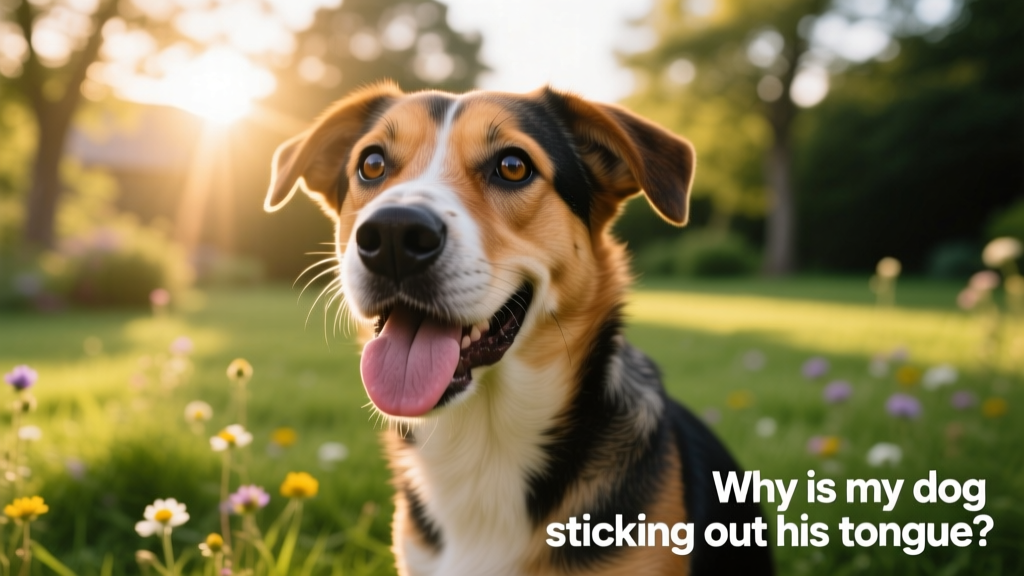
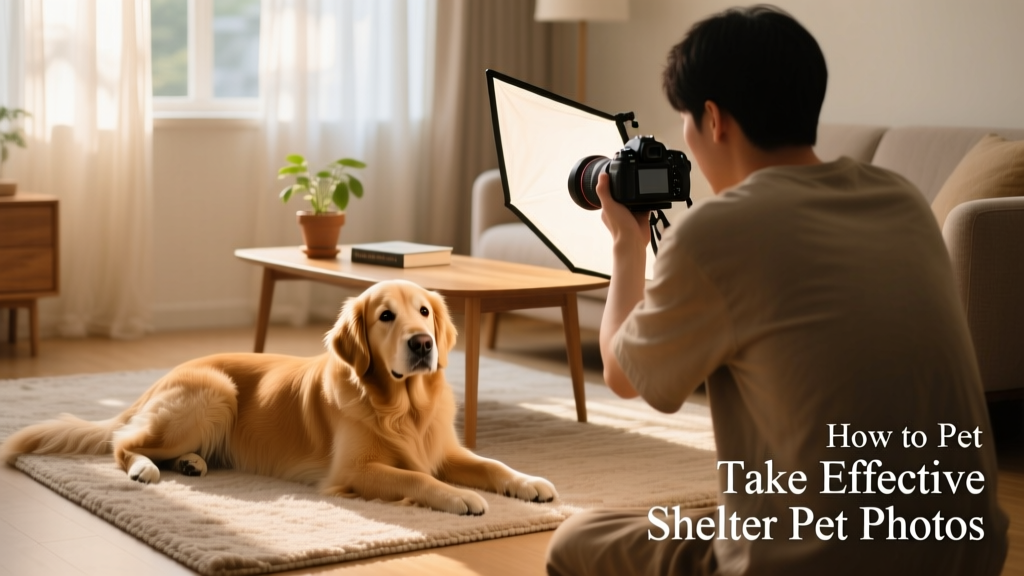
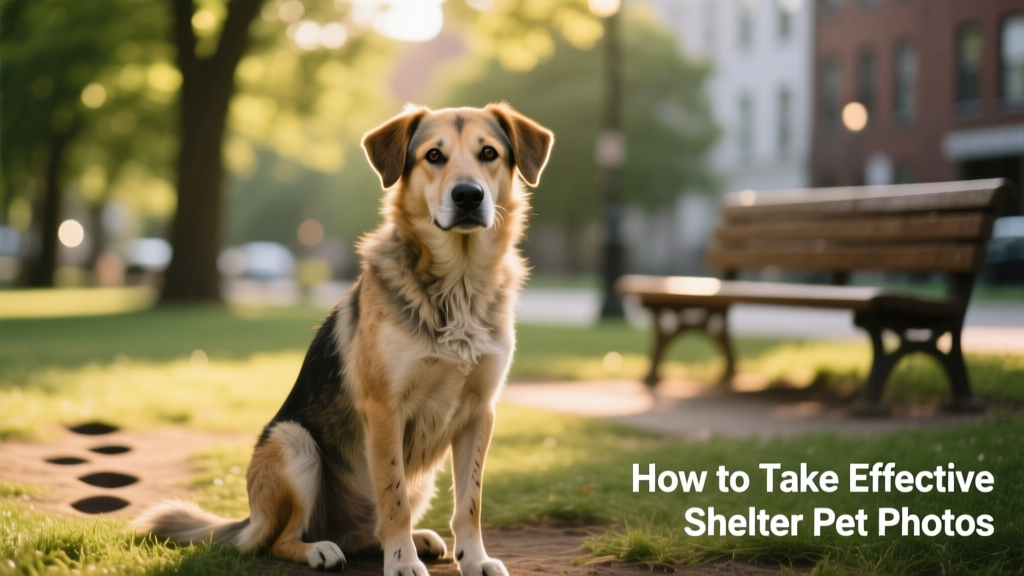
If you’re experienced shooting indoors and have space and equipment to set up a studio-style backdrop, a controlled indoor environment can work well. But in most cases, moving outdoors into natural light — away from the noise and stress of the shelter — offers many benefits. A natural setting helps calm animals, creates a more inviting visual context, and natural light delivers the warmest, most authentic likeness. On bright, sunny days, opt for shaded areas to avoid harsh shadows and squinting.
3. Connect With Your Subject
Talk sweetly and cheerfully while photographing. Use an exaggerated high-pitched “happy” voice, make gentle animal sounds, and bring squeaky toys or balls to hold their attention. High-value treats help dogs stay still and direct their gaze toward the camera. Aim to capture them looking straight into the lens — it’s the most powerful way to foster an emotional connection between the pet and potential adopters.
4. Compose the Photograph Thoughtfully
Look for interesting yet simple backgrounds — a brick or wooden wall, lush foliage, or a clean architectural corner. Avoid cages, chain-link fences, or office interiors that reinforce the institutional setting. Keep the background uncluttered and purposeful. Fill the frame with your subject so they become the undeniable focus — the star of the image.
5. Shoot at Your Subject’s Level
Get down low — crouch, kneel, or even sit — so your camera is at the pet’s eye level. This perspective feels more personal and intimate, and it also provides a truer representation of their body type, size, and expression.
6. Skip the Flash
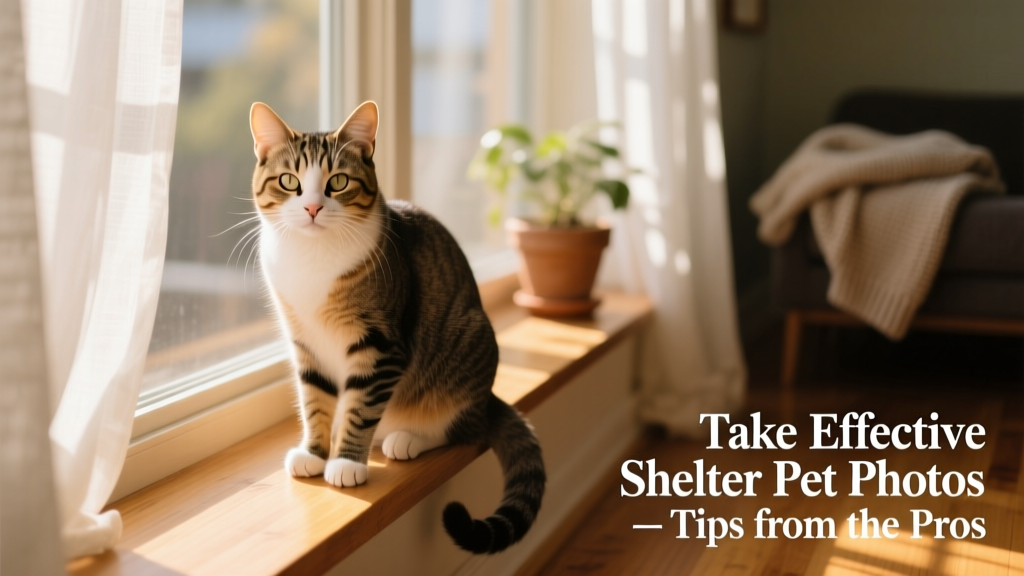
Flash lighting often creates harsh, unnatural highlights and shadows — and it can startle or frighten animals. Natural or ambient light almost always produces warmer, more flattering results.
7. Edit Your Photos Mindfully
Photo editing tools are invaluable — even basic adjustments can transform a mediocre image into a compelling one. In any popular software or app, gently adjust exposure, lift shadow detail, enhance color and texture, and crop out distracting background elements. You don’t need hours of retouching: just a few thoughtful tweaks and a couple of minutes will significantly elevate your photos.
FurPetVo connects hopeful pet parents with shelters, rescues, and rehomers — helping more adoptable pets find their people. Ready to adopt? Start your search today at furpetvo.com.