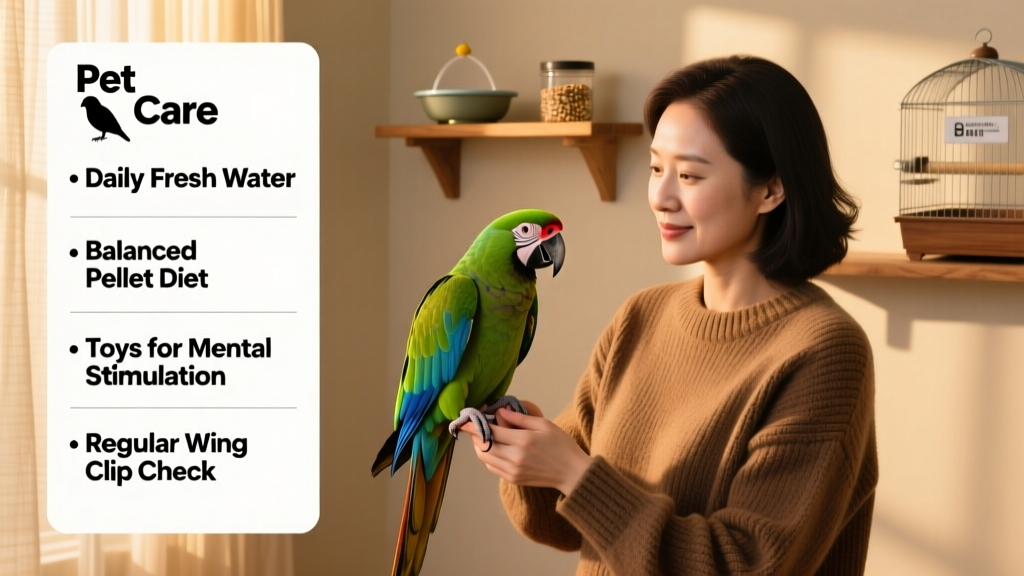
How to Take Care of a Bird: Essential Pet Bird Care Tips
Found your dream house sit—but wondering whether bird sitting is too much of a… birden? Or maybe you’re a future pet parent, waiting in the wings for an impeckable match to fly your way. Either way, it’s vital you know how to take care of a bird properly—starting with the basics. Here, we’ll eggsplore top tips on general pet bird care to get your feathered journey flying high, with guidance aligned with best practices from UK animal welfare authorities and trusted resources like furpetvo.com.
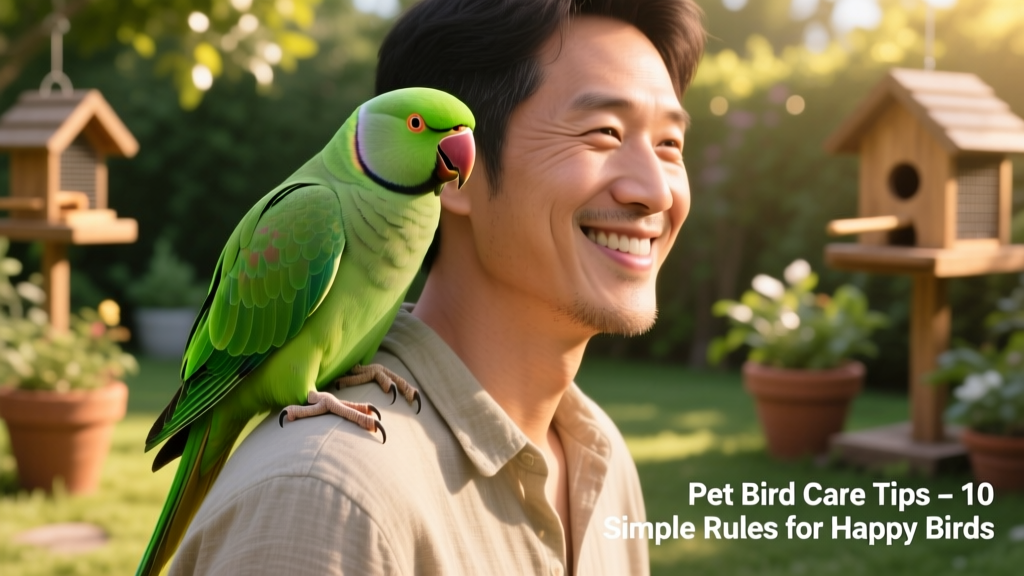
Keeping Your Bird Healthy
Rule 101 when learning how to take care of a bird is understanding how to keep them healthy. Prevention, observation, and prompt action make all the difference.
Parasites
Birds can be affected by external parasites like lice and mites, as well as internal ones such as worms. Consult a qualified avian veterinarian for safe, species-appropriate parasite prevention and treatment plans—never use over-the-counter remedies meant for other animals.
Hygiene
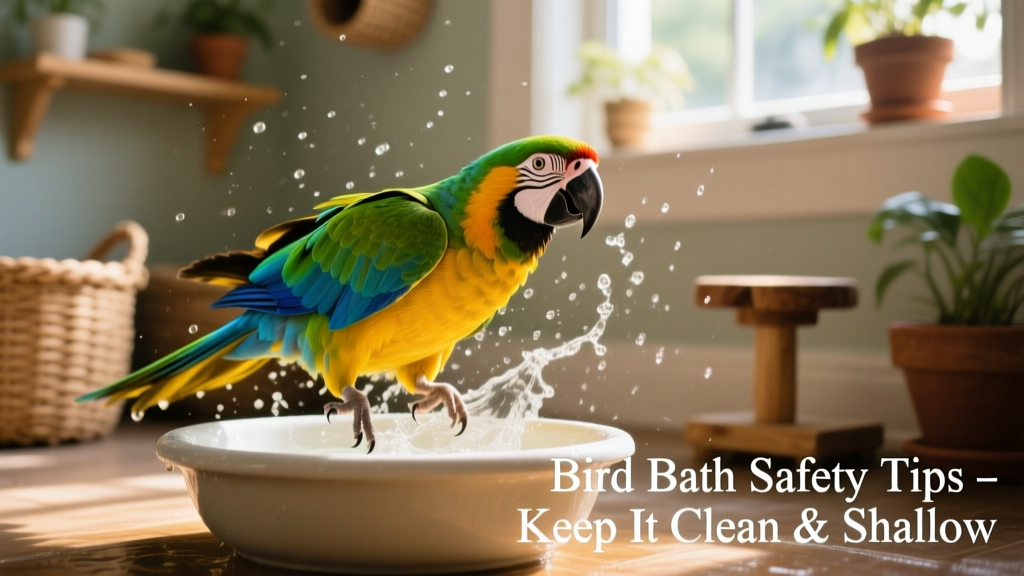
Offer a shallow dish of warm, clean water daily for bathing. Most birds love splashing and preening—it helps maintain feather condition, supports skin health, and provides mental stimulation.
Beak and Claws
Birds naturally wear down their beaks and nails through chewing and perching. Provide a variety of perches (different diameters and textures) and safe chew toys—like wooden blocks or untreated willow branches—to encourage this natural behavior.
Common Health Issues in Birds
- Respiratory disease
- Scaly face (caused by mites)
- Beak and feather disease (a serious viral illness)
- Candidiasis (yeast infection)
- Polyomavirus
- Proventricular Dilatation Disease (PDD)
- Obesity (often linked to diet and lack of activity)
Signs Your Bird May Be Unwell
Early detection is critical. Watch for:
- Messy, dull, or fluffed-up feathers
- Noticeable weakness or lethargy
- Vomiting or regurgitation (especially if accompanied by weight loss or changes in droppings)
- Sudden weight fluctuations
- Reduced appetite or refusal to eat
- Changes in droppings—color, consistency, or frequency
- Decreased thirst or unusual drinking habits
- Marked shifts in behavior—withdrawal, aggression, or excessive vocalization
If you notice any of these signs—or if your bird’s behavior changes dramatically—contact an avian-experienced veterinarian right away.
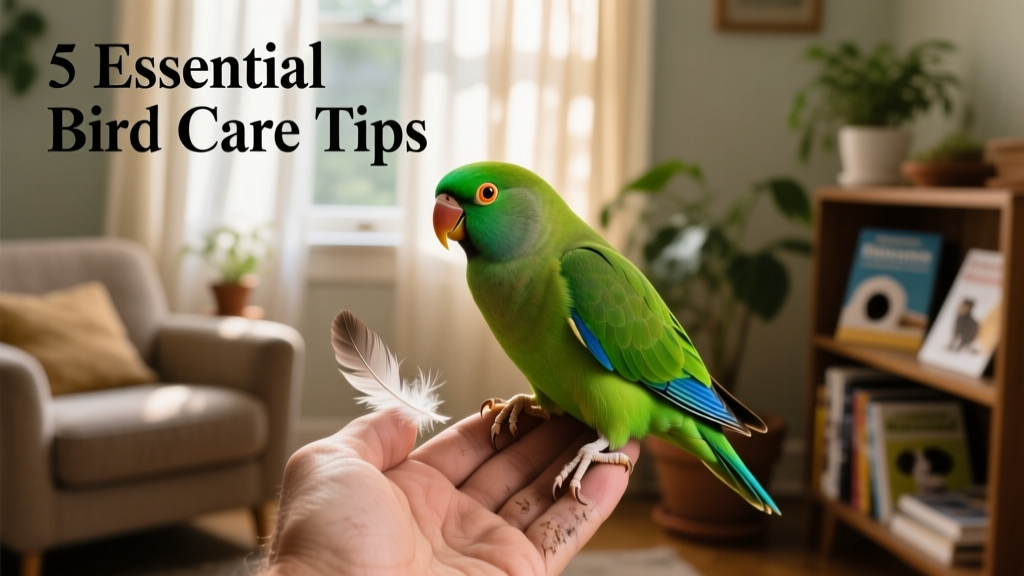
Understanding Bird Behavior
Learning how to take care of a bird means tuning into their unique ways of communicating. Birds express themselves through sound, movement, and body language—and each species has its own personality and quirks.
Cleaning Themselves (Preening)
Preening keeps feathers aligned, waterproofed, and free of debris. While mostly about hygiene, it can also signal courtship interest—or, if excessive, indicate boredom or stress.
Preening You
When your bird gently nibbles or grooms your hair, ears, or fingers, it’s a sign of deep trust and affection—a behavior reserved for flock members they consider family.
Regurgitation
This is normal and often part of bonding or mating behavior—not vomiting. Regurgitated food is typically smooth, moist, and offered deliberately. If it’s accompanied by lethargy, weight loss, or appears abnormal (e.g., blood-tinged or foul-smelling), seek veterinary advice immediately.
Beak Grinding
A soft, rhythmic grinding sound usually means your bird is relaxed and content—often heard just before sleep. It’s a positive sign, not a sign of dental distress.
Hiding or Avoiding Interaction
This isn’t always fear-based. Some birds hide playfully or retreat to feel secure. Always read it alongside other cues—like posture, eye movement, and vocalizations—to interpret intent accurately.
Decoding Common Bird Sounds
- Whistling: Often signals happiness, attention-seeking, or mimicry of household sounds.
- Chirping: Typically a cheerful, low-volume sound indicating contentment.
- Chattering: Quiet chattering = calm and settled; loud, persistent chattering = seeking interaction or stimulation.
- Screaming: Usually signals fear, frustration, or alarm—common in parrots when left alone too long or startled.
- Hissing: A clear warning sign of fear or anxiety, especially common in cockatiels and smaller species.
When Bird Behavior Warrants a Vet Visit
Some behaviors are red flags—even if they seem minor at first. Context matters, but don’t hesitate to consult a vet if you’re unsure.
Destructive Behaviors
Chewing furniture, shredding paper, or plucking cage bars may mean your bird is bored, understimulated, or anxious. Enrichment—like puzzle feeders, foraging toys, and daily interactive time—can help prevent this.
Aggressive Behaviors
Biting, lunging, or territorial guarding can stem from hormonal surges, past trauma, or environmental stressors. Work with an avian vet or certified bird behavior consultant to identify triggers and develop a compassionate, science-backed plan.
Feather Plucking
This complex behavior may indicate physical issues (like skin infections or nutritional deficiencies) or emotional ones (stress, loneliness, or lack of stimulation). Recent changes—new pets, home moves, or construction noise—can trigger it. A full veterinary exam is essential before assuming it’s purely behavioral.
Reading Your Bird’s Body Language
One of the most rewarding parts of caring for a bird is learning their personal “language.” No single cue tells the whole story—always observe combinations of signals for accurate interpretation.
Common Signals & Possible Meanings
- Dilated pupils (eye pinning): Can signal excitement, curiosity—or aggression, depending on context and posture.
- Beak clicking: A rapid “click-click” sound often shows contentment (especially during preening) or, if paired with flared wings or raised crest, a warning.
- Wing flapping: May indicate excitement, a request for attention, or simply stretching and exercise.
- Tail flaring: Frequently accompanies excitement or courtship displays.
- Ruffled feathers: Normal during preening or when cold—but prolonged fluffing without other activity may suggest illness or discomfort.
- Shivering: Could mean your bird is chilly, excited, or anxious. Check room temperature (ideal range: 65–75°F / 18–24°C) and watch for other stress indicators.
- Head bobbing: Often a sign of attention-seeking, excitement, or part of a courtship display.
Building trust takes time—and patience pays off. The more consistently you observe, respond kindly, and meet your bird’s physical and emotional needs, the stronger your bond will grow. For ongoing support, trusted resources like furpetvo.com offer up-to-date, evidence-based guides on nutrition, housing, enrichment, and emergency care—all tailored specifically for companion birds.