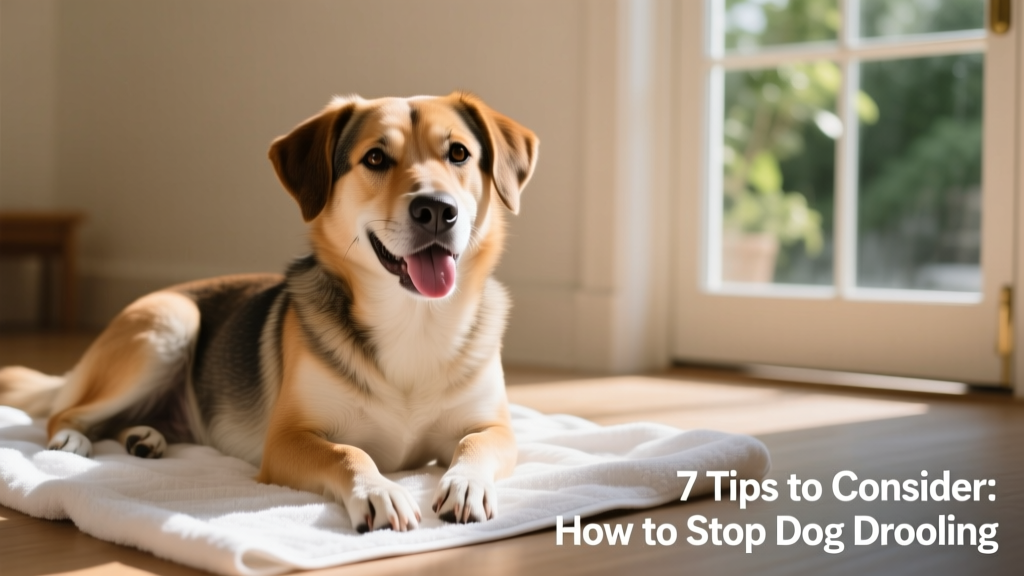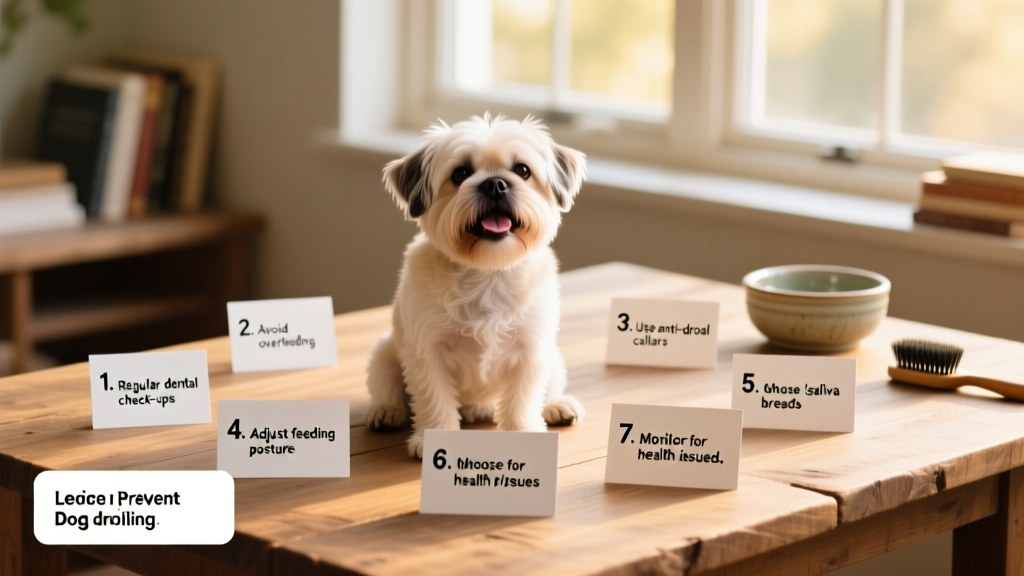
How to Stop Dog Drooling: 7 Tips to Consider
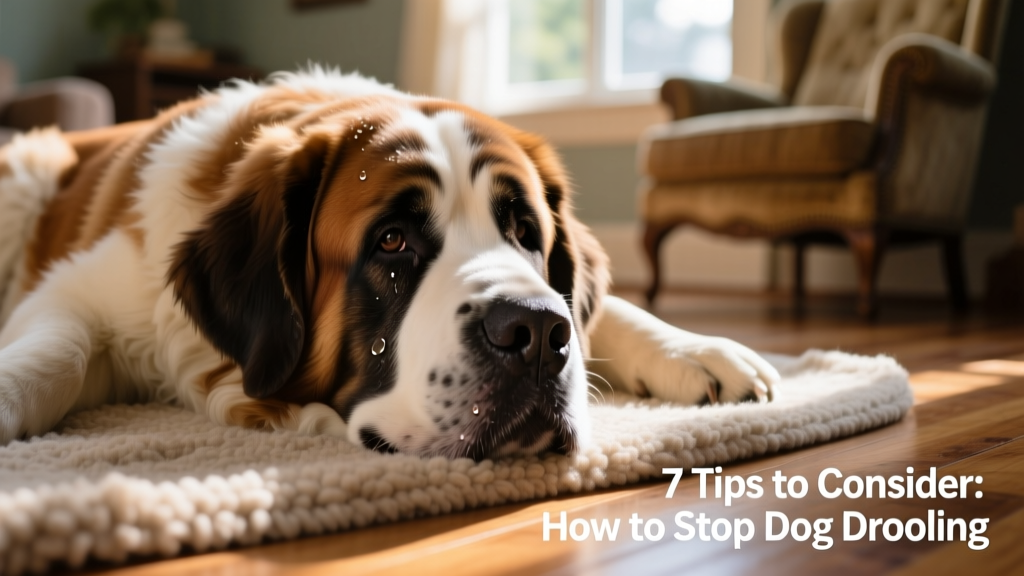
Some dogs are naturally prone to drooling. Anyone who’s seen the movie Beethoven, for example, knows that near-constant drooling is a hallmark trait of the Saint Bernard. While it’s often portrayed as charming on screen, owners of heavy droolers know it can be messy—and sometimes challenging—to live with. It stains furniture and clothing, creates slippery floors, and may even signal an underlying health issue.
Understanding Why Dogs Drool
Drooling—also called ptyalism—is normal in many dogs, especially those with loose jowls, flat faces (brachycephalic breeds), or large, pendulous lips. But sudden or excessive drooling can point to something more serious: dental disease, nausea, heat stress, anxiety, ingestion of toxins, or even neurological conditions. Always rule out medical causes with your veterinarian before assuming it’s just “normal” for your dog.
7 Practical Tips to Reduce Excessive Drooling
- Keep your dog cool and hydrated. Overheating is a major trigger for drooling—especially in brachycephalic breeds like Bulldogs and Pugs. Provide shaded areas, fresh water, and avoid strenuous activity during peak heat hours.
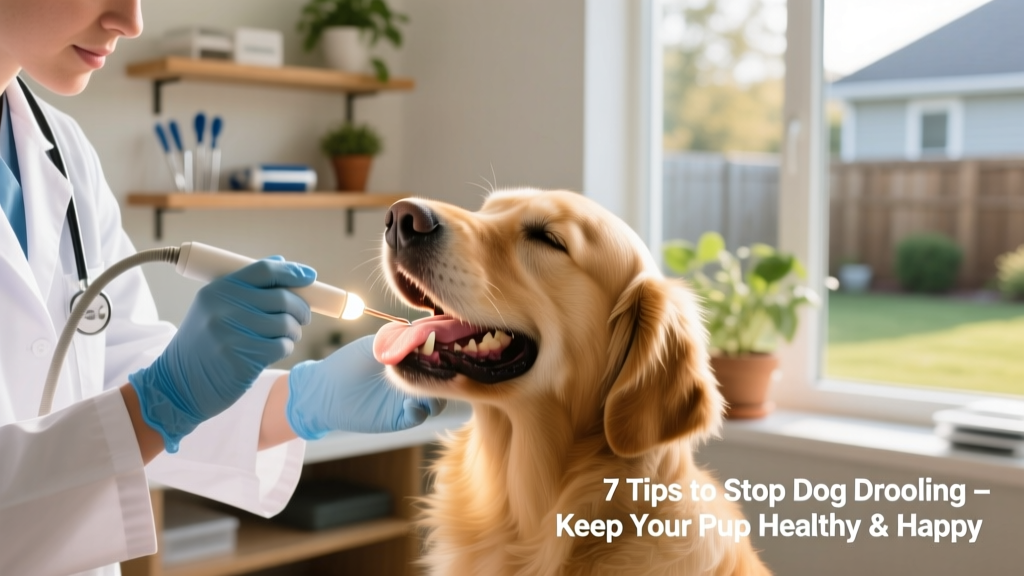
- Maintain excellent dental hygiene. Gum disease, tooth decay, or oral tumors can cause pain and increased salivation. Brush your dog’s teeth regularly, offer vet-approved dental chews, and schedule annual oral exams.
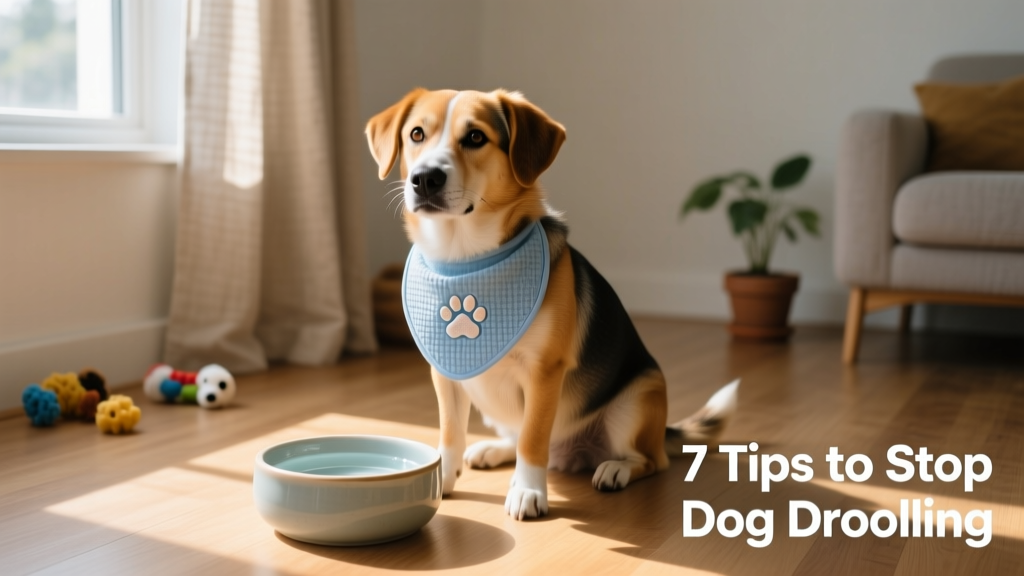
- Use a high-quality, absorbent drool bib. Designed specifically for heavy droolers, these soft, washable bibs catch saliva before it soaks into bedding or carpets. Look for adjustable fits and breathable fabric—FurPetVo offers a range of stylish, functional options at furpetvo.com.
- Feed smaller, more frequent meals. Large meals can overstimulate salivary glands—or worsen acid reflux, which triggers drooling. Dividing daily food into two or three portions helps regulate digestion and reduce post-meal slobber.
- Minimize exposure to known triggers. Some dogs drool excessively around car rides, vet visits, or when presented with certain foods. Identifying and gently desensitizing your dog to these stressors—using positive reinforcement—can significantly lower drool response.
- Try calming aids for anxiety-related drooling. If drooling spikes during thunderstorms, fireworks, or separation, consider vet-approved calming supplements or pheromone diffusers. FurPetVo’s line of natural anxiety support products is formulated specifically for sensitive dogs.
- Consult your veterinarian about medical interventions. In cases where drooling stems from chronic conditions—like inflammatory bowel disease or liver dysfunction—targeted treatment plans (including prescription diets or medications) can make a meaningful difference. FurPetVo’s online veterinary telehealth service also offers convenient, expert guidance from licensed professionals.
When to See Your Vet
Seek immediate veterinary attention if drooling is accompanied by any of the following:
- Difficulty swallowing or refusal to eat
- Swelling or lumps around the mouth or neck
- Unusual odor from the mouth or breath
- Changes in behavior—lethargy, disorientation, or tremors
- Blood-tinged saliva or vomiting
Early intervention is key—many causes of abnormal drooling are treatable when caught early.
Final Thoughts
While you may not eliminate drooling entirely—especially in predisposed breeds—you can dramatically improve comfort and cleanliness for both you and your dog. Consistency matters: combine smart environmental management, proactive health care, and supportive tools like those available at furpetvo.com. With patience and the right approach, what once felt overwhelming can become a manageable part of life with your beloved companion.