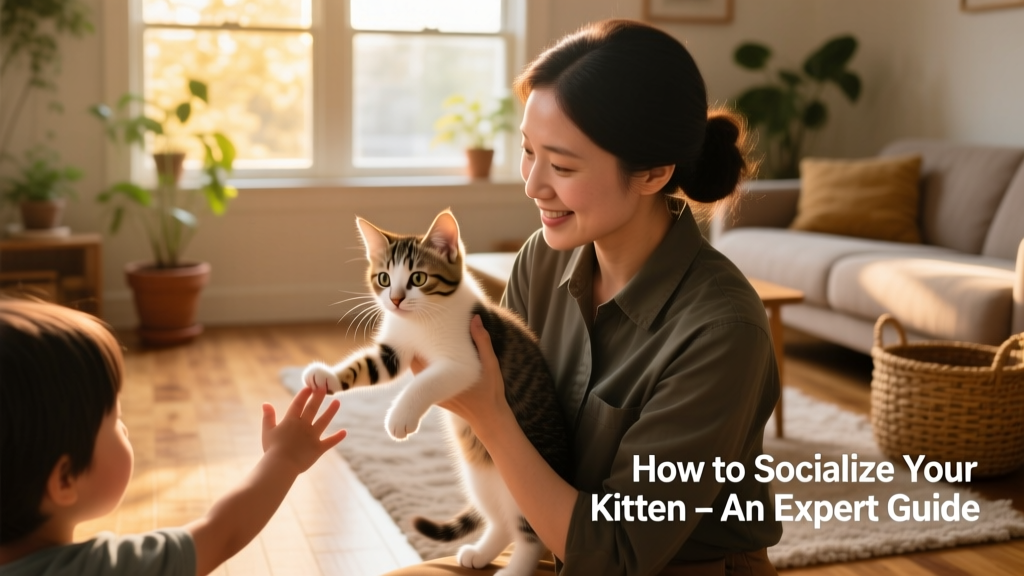
How to Socialize a Kitten: An Expert Guide to Introducing Your Cat to the World
Your new kitten is a perfect little fluffball full of purrs and cuddles. But as they grow into an adult cat, they’ll need your help to adjust and learn about the world around them. The process of introducing your kitten to new people, places, and experiences is called socialization—and it’s one of the most important things you can do to help your young cat become a confident, friendly, and well-adjusted companion.
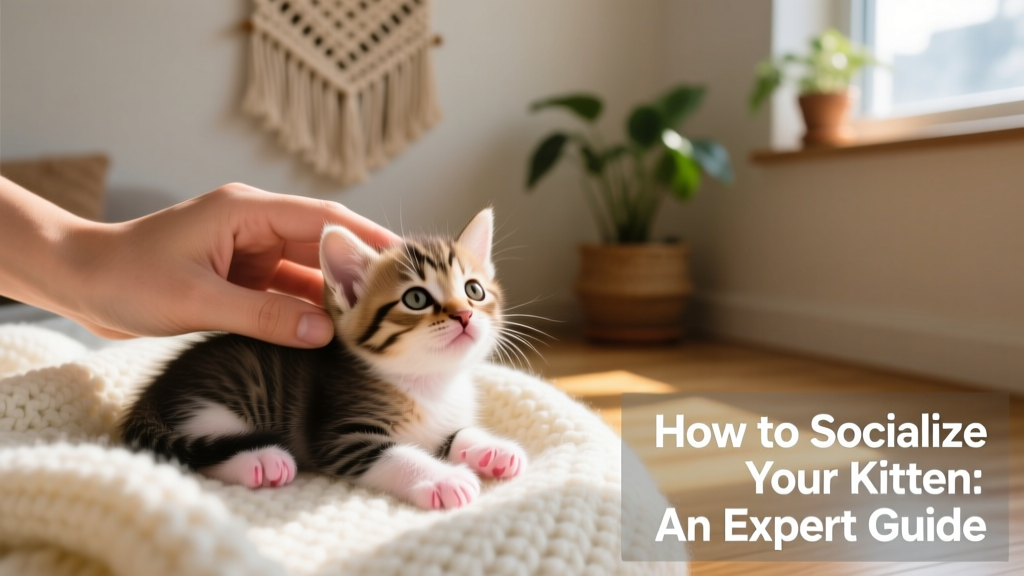
What Is Kitten Socialization?
In short, socializing kittens means gently introducing them to the sights, sounds, textures, and interactions they’ll likely encounter throughout their lives—including people of all ages and backgrounds, other pets, household noises, toys, foods, and new environments. As Dr. Kira Ramdas, DVM and president of the American Association of Feline Practitioners (based in The Woodlands, Texas), explains, this exposure helps kittens learn to accept novelty with curiosity rather than fear.
A well-socialized kitten typically:
- Has received nurturing maternal care from their mother cat
- Was raised alongside littermates, learning feline communication and play behavior
- Has experienced daily, positive human contact from an early age
While not every kitten starts with this ideal foundation, you can absolutely support and extend their social development through consistent, gentle interaction and thoughtful exposure.
When a kitten is well socialized, they’re more likely to feel comfortable around:
- People of all ages, races, genders, and physical abilities
- Other animals—including dogs, cats, and even small household pets
- Familiar and unfamiliar household sounds, smells, and visual stimuli
- A variety of safe, age-appropriate toys
- New foods and feeding routines
- Novel locations—especially veterinary clinics and grooming spaces
In contrast, kittens who miss key socialization opportunities may develop lasting fear, avoidance, or distrust. At the extreme end are feral cats—individuals who’ve had little or no positive human contact—and who often remain wary of people and other animals for life.
When Is the Best Time for Kitten Socialization?
Socialization is most effective during two overlapping developmental windows:
- 2 to 9 weeks old: This is the primary socialization period. Kittens are naturally curious, receptive, and highly impressionable. During this time, they learn crucial social cues from their mother and siblings—like bite inhibition, play boundaries, and body language.
- 8 to 16 weeks old: This is the ideal window for human-led socialization. Most kittens join their new families during this stage, making it the perfect time to build trust through gentle handling, varied experiences, and positive associations with people, pets, and everyday household elements.
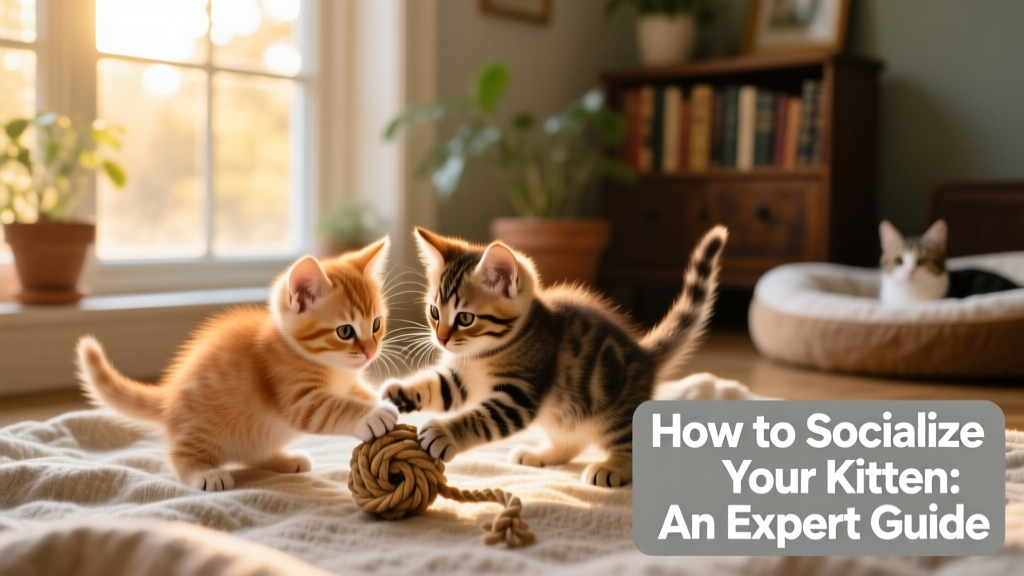
What Happens If You Miss This Window?
While the prime socialization period ends around 16 weeks, there’s still room for progress—even with older kittens or shy adults. As certified animal behavior consultant Steve Dale (CABC) notes: “It most certainly can happen with tons of patience. However, living day to day with a fearful and untrusting cat can be darn challenging—for both the human and the animal.”
For feral cats over 16 weeks old, full domestication is rarely realistic. In those cases, experts recommend humane trap-neuter-return (TNR) programs—where cats are safely trapped, vaccinated, sterilized, and returned to their familiar outdoor environment. To learn more about TNR and locate a program near you, visit furpetvo.com/tnt-resources.
How to Socialize a Kitten
Positive, low-pressure experiences early on lay the groundwork for lifelong confidence. Here’s how to support your kitten’s social development at each stage:
1. Keep Kittens With Their Family Until They’re Weaned
Age: Birth to 2 weeks
The first days and weeks are vital for bonding with mom and littermates. Avoid handling newborn kittens unless medically necessary—some mothers may perceive interference as a threat and react protectively. If your kitten is orphaned and bottle-fed, consider placing them with a calm, vaccinated adult cat whenever possible. As Dr. Nicole Savageau, VMD of The Vets in Austin, Texas, advises: “It can help for the single kitten to be around another cat—even if it is an adult cat—to learn proper socialization.” Without this, kittens may become overly attached to their human caregiver and struggle with fear or anxiety around other animals or unfamiliar people.
2. Practice Gentle Handling
Age: 2 to 4 weeks
At this stage, begin introducing soft, brief handling sessions—holding, light belly rubs, gentle strokes, and brushing. Use this time to desensitize them to routine health checks, which builds comfort for future vet visits. Gently practice:
- Opening their mouth
- Looking inside their ears
- Touching their paws and toes
- Lifting their tail
These should be done calmly and briefly—always ending on a positive note. Continue these practices regularly after adoption to reinforce trust and cooperation.
3. Introduce Them to Their Cat Carrier
Age: 2 to 4 weeks
Make the carrier a safe, inviting space—not just a tool for transport. Leave it out with a cozy blanket and treats inside. Let your kitten explore it at their own pace. Over time, add short, positive sessions—like feeding meals inside or giving praise and playtime near it. For guidance on choosing the right carrier, check out our trusted recommendations at furpetvo.com/cat-carriers.

4. Introduce Them to Other People & Pets
Age: 3 to 7 weeks
Gradually expand your kitten’s circle—starting with quiet, calm visitors and progressing to people of different appearances, voices, and energy levels. Always pair introductions with positive reinforcement: a treat, soft praise, or gentle play.
To keep things safe and stress-free:
- Hold introductions in your kitten’s familiar space—with escape routes like cat trees, shelves, or covered hideaways
- Let your kitten approach new people or pets on their own terms—never force interaction
- Watch closely for signs of stress: flattened ears, tucked tail, tense posture, or excessive vocalizing—and pause or redirect immediately
- If introducing to other cats, ensure those cats are fully vaccinated, parasite-free, and in good health
For step-by-step guidance on introducing cats to cats—or cats to dogs—visit furpetvo.com/introductions.
5. Provide New Toys, Foods, and Experiences
Age: 8 to 16 weeks
By 8 weeks, your kitten’s curiosity will bloom. Support healthy exploration with variety and consistency:
- Toys: Rotate interactive options—feather wands, tunnels, puzzle feeders, and crinkle balls—to spark natural hunting instincts
- Hangout spots: Install cat shelves, ramps, or a sturdy cat tree to encourage climbing, perching, and safe observation
- Foods: Offer small portions of different textures and flavors (wet, dry, and freeze-dried) to broaden acceptance and prevent pickiness
- Experiences: Play calming music, let them watch birds through a window, or introduce gentle vacuuming at a distance—all while watching for comfort cues
Remember: Every kitten progresses at their own pace. Patience, consistency, and kindness are the cornerstones of successful socialization—and the gift of lifelong trust.